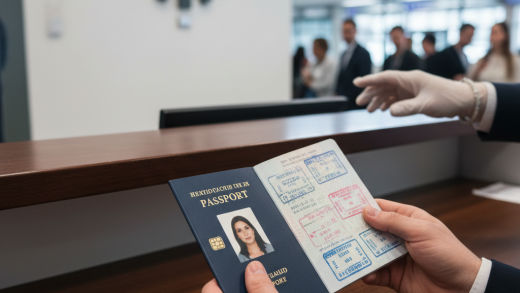
Traveling internationally is an exhilarating experience, but the bureaucracy of obtaining visas can often dampen the excitement. However, depending on your citizenship, you likely possess a ‘golden ticket’ to numerous destinations that require no prior paperwork. Understanding how to maximize the power of your passport is a crucial skill for any modern traveler. This guide provides a detailed walkthrough on how to accurately identify countries you can visit visa-free, ensuring your journey begins smoothly from the moment you arrive at the airport.
Prerequisites for Checking Visa Status
Before you begin your research, ensure you have the following information and documents ready:
- A Valid Passport: You must know the specific issuing country and the type of passport (ordinary, diplomatic, or service).
- Passport Expiry Date: Many countries require validity of at least six months beyond your date of entry.
- Travel Itinerary: Knowing your transit points is just as important as your final destination.
- Internet Access: To check real-time databases and government websites.
Step 1: Consult Global Passport Indexes
The first step to getting a broad overview of your travel freedom is to check global passport ranking indexes. Websites like the Henley Passport Index or the Arton Capital Passport Index are excellent starting points. These platforms aggregate data to show you a map or list of countries where your specific passport holds visa-waiver agreements. While these sites are great for inspiration and general planning, they should be used as a preliminary reference rather than the final authority, as diplomatic relations can change overnight.
Step 2: Verify with the IATA Travel Centre
For the most accurate and technical verification, professional travel agents use the International Air Transport Association (IATA) database. Fortunately, you can access a version of this through the IATA Travel Centre website. This tool is highly reliable because airlines use it to decide whether to allow you to board the plane.
To use this, you will need to input your destination, transit points, passport details, and even your return ticket information. The system will tell you explicitly if you need a visa, a health certificate, or if your passport validity is sufficient.
Step 3: Distinguish Between Visa-Free, VOA, and eTA
It is vital to understand that ‘Visa-Free’ is often used as a blanket term for three different entry categories. You must distinguish between them to avoid being turned away at the border:
- True Visa-Free: You can enter with just your passport and a landing card. No fees are required.
- Visa on Arrival (VOA): You do not need to apply beforehand, but you must stand in a specific queue at the destination airport, fill out forms, and pay a fee to enter.
- Electronic Travel Authorization (eTA): This is a digital pre-screening (like the US ESTA or Canada eTA). While not a full visa, it is mandatory and must be approved before you board your flight.
Step 4: Check Ministry of Foreign Affairs Websites
Once you have identified a potential destination, go to the official website of that country’s Ministry of Foreign Affairs or their Embassy/Consulate in your home country. Third-party travel blogs can be outdated. The official government site will provide the definitive rules regarding:
- Maximum duration of stay (e.g., 30, 60, or 90 days).
- Proof of funds requirements.
- Return ticket requirements.
Step 5: Verify the ‘Six-Month Validity’ Rule
Even if a country is visa-free for you, you will be denied entry if your passport is expiring soon. A standard rule in international travel is that your passport must be valid for at least six months beyond your planned date of departure from the destination. Check the specific entry requirements for your chosen country to see if they enforce the 3-month or 6-month validity rule.
Conclusion
Traveling visa-free is one of the greatest privileges of holding a passport, saving you time, money, and stress. By systematically checking global indexes, verifying with authoritative sources like IATA, and understanding the nuances between visa-free access and electronic authorizations, you can plan your trips with confidence. Always remember that immigration rules are sovereign and subject to change; performing a final check a week before your trip is the best habit a savvy traveler can adopt.