
Bulgaria Golden Visa Program Maintains Steady Momentum and Clear Processing Timelines in 2025
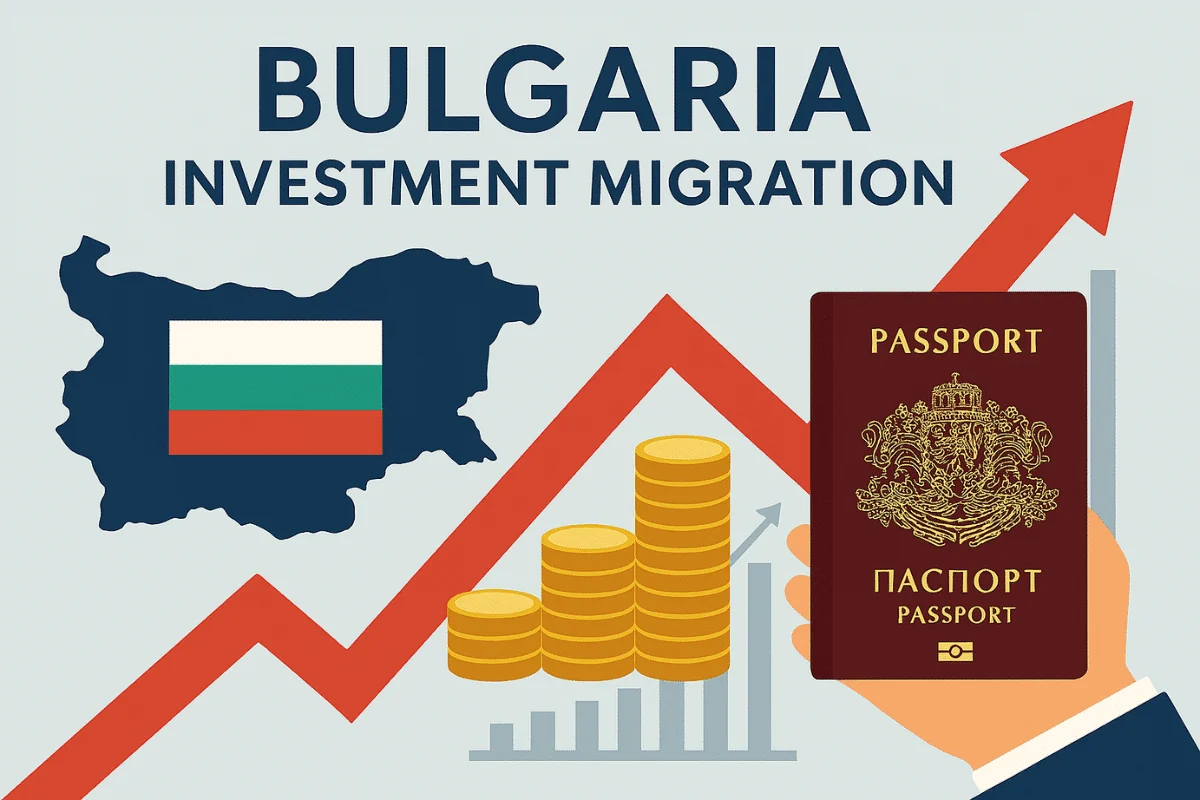
The Bulgaria Golden Visa program has entered 2025 with strong and sustained momentum, continuing to attract international investors drawn to its reliable processing timelines and stable legislative framework. According to recent updates from legal and immigration experts, the program continues to deliver on its core promises, with permanent residency cards being issued efficiently within just eight months from the official commencement of the application process.
Vasil Markov, Director of Advocate Markov and a certified Investment Migration Client Manager, noted that since the last comprehensive program review in mid-2024, the legislative landscape surrounding the initiative has remained entirely unchanged. Authorities have introduced no new legislative amendments, and industry stakeholders report that no policy changes are currently planned or even under discussion in the foreseeable future. This steadfast stability provides investors with a high degree of predictability and confidence at a time when several other European residency-by-investment programs are undergoing frequent structural revisions, tightening restrictions, or facing abrupt closures.
The program’s core appeal lies in its straightforward fund-investment pathway, which offers a dependable route to European Union residency without excessive bureaucratic hurdles. Because the framework has remained predictable and transparent, high-net-worth individuals and their families continue to view Bulgaria as an increasingly attractive jurisdiction for secure long-term planning and international mobility within Europe.
Openness to Russian Citizens Amid Regional Banking Complexities
One of the most notable advantages of the Bulgarian Golden Visa program through fund investment is its absence of broad nationality restrictions. Under the current framework, applicants who are not listed on international sanctions lists, who possess an active euro-denominated bank account located in a Financial Action Task Force-compliant jurisdiction, and who maintain a clean criminal record are eligible to apply, regardless of their specific country of citizenship.
This operational flexibility provides a distinct contrast to residency programs in other European nations, such as Portugal. While Portugal’s Golden Visa framework does not formally ban Russian citizens on paper, applicants face significant practical obstacles. Most notably, Portugal requires applicants to open a personal bank account within the Portuguese banking system. In practice, local and regional compliance protocols make it nearly impossible for Russian passport holders to successfully open such accounts unless they meet narrow exceptions, such as holding a second passport from a non-restricted country, having been born outside of Russia, already possessing valid EU residency, or being legally married to an EU citizen.
In contrast, the Bulgarian Golden Visa program does not impose a mandatory requirement for applicants to establish a personal account with a domestic Bulgarian bank. Instead, prospective investors have the flexibility to fulfill financial and administrative requirements through accounts established in other internationally recognized and FATF-compliant jurisdictions, such as the United Arab Emirates, Serbia, or Uzbekistan. This practical accommodation removes a major bottleneck that frequently deters qualified international investors from pursuing residency options elsewhere in Europe.
Divergent Approaches to Same-Sex Marriages and Family Reunification
While Bulgaria offers notable flexibility regarding investor nationalities and banking jurisdictions, the country maintains traditional legal definitions concerning family recognition for immigration purposes. Currently, Bulgarian immigration authorities do not recognize same-sex marriages or registered partnerships when both partners are non-European Union citizens. Regardless of individual personal circumstances, documentation from other jurisdictions recognizing such unions is not accepted for dependent family reunification under this specific immigration pathway.
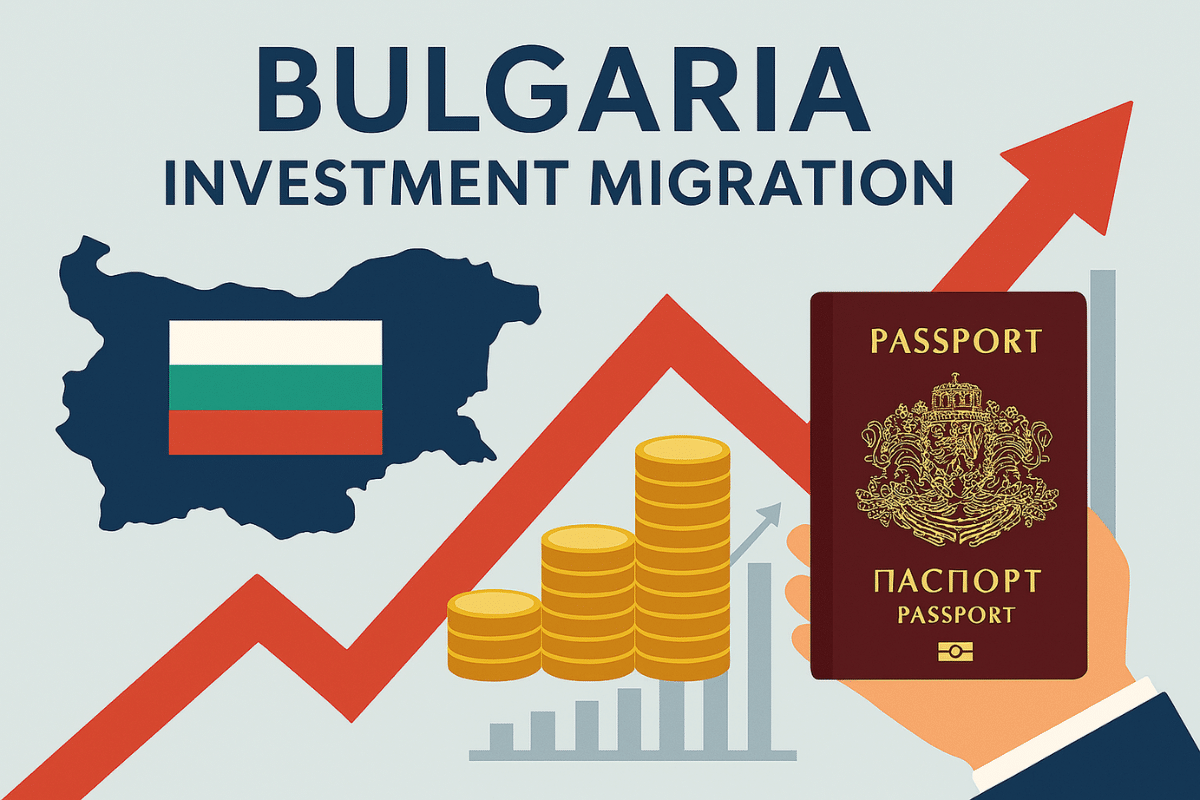
This policy distinguishes Bulgaria from several of its European counterparts, most notably Portugal. The Portuguese Golden Visa program routinely accommodates and processes family reunification applications for same-sex spouses and registered partners without encountering legal or administrative barriers. Investors considering the Bulgarian program who require recognition for same-sex partnerships are therefore advised to review these domestic legal limitations carefully before initiating the application process.
Expanding Access to Bulgarian Citizenship by Origin
In a parallel development aimed at enhancing global mobility for families with historical ties to the region, legal practitioners in partnership with industry organizations have expanded advisory services regarding Bulgarian citizenship by origin. Qualified individuals who can establish ancestral lineage can often pursue citizenship through a streamlined administrative channel that bypasses the traditional capital investment requirements entirely.
With proper genealogical documentation and adherence to statutory procedures, eligible applicants can realistically secure full European Union citizenship and a Bulgarian passport for modest administrative and legal outlays, frequently estimated between 200 and 300 euros in official fees. Eligibility typically hinges on proving direct descent from a Bulgarian parent or grandparent who held Bulgarian nationality. This alternative pathway offers a valuable opportunity for eligible individuals worldwide to reconnect with their heritage while gaining the full spectrum of rights and privileges associated with European Union citizenship.
Capital Market Development and Fund Performance
As the broader Bulgarian capital market continues its gradual expansion and maturation, investor interest in fund-based Golden Visa options is steadily increasing. Professional investment vehicles designed specifically to meet the statutory requirements of the residency program are gaining traction as practical instruments for wealth preservation.
For instance, specialized investment funds managed by local asset management firms have successfully deployed early investor capital in alignment with stated risk preferences. Portfolios heavily weighted toward euro-denominated corporate and sovereign bonds have demonstrated the capacity to generate steady returns, with certain institutional bonds yielding annual coupons of approximately 4.25 percent.
Industry experts emphasize that while these investment vehicles are not positioned as aggressive, high-yield speculative ventures, they function effectively as capital-preservation strategies. In many cases, these conservative yields outperform standard euro-denominated European Union sovereign bonds, providing investors with a dual benefit of safeguarding principal while fulfilling the mandatory financial commitments required to maintain their legal residency status in Bulgaria.
| Source | : | Open Passport |
| Author | : | Basiran |
| Editor | : | Open Passport Editorial Team |
