
Lonely Planet Unveils Top 5 Underrated European Destinations to Escape Overtourism in 2027
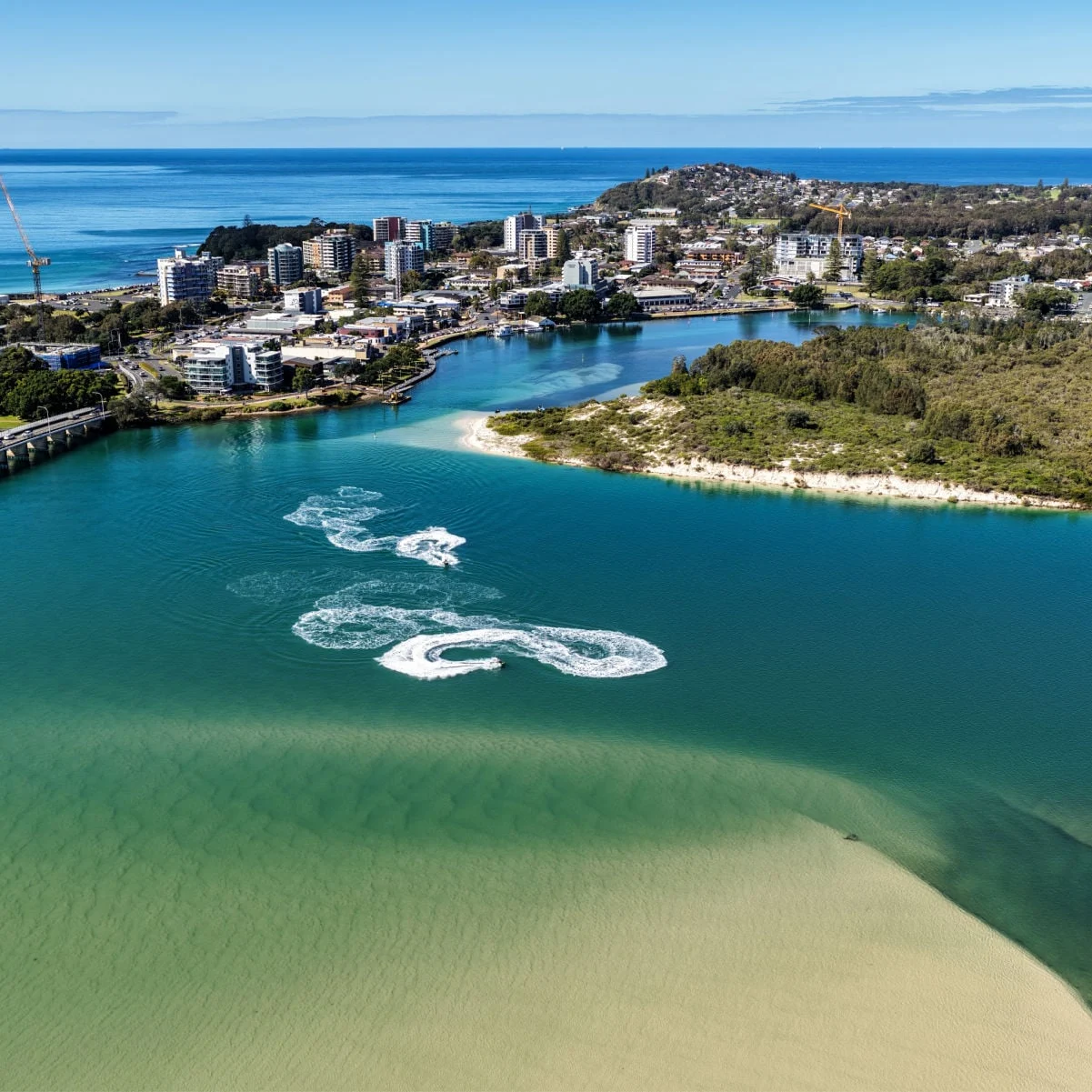
It is no secret that Europe is bursting at the seams. Every summer, millions of international travelers cross the Atlantic only to find themselves fighting for elbow room in narrow cobblestone streets, waiting hours in queues for world-famous museums, and navigating shoulder-to-shoulder crowds at historic monuments. Overtourism has undoubtedly become the biggest buzzword in the global travel industry, and finding a quiet corner of the continent is getting progressively harder with each passing season.
Major capitals and iconic coastal zones are buckling under the sheer volume of visitors, prompting both local residents and seasoned travelers to seek out alternative routes. However, for those willing to look past the heavily marketed famous hotspots, there remains a vast world of highly affordable, culturally rich destinations waiting to be explored. In an effort to help travelers escape the crushing crowds in the coming years, the travel experts at Lonely Planet have officially released their eagerly anticipated list of the most underrated travel destinations for 2027.
For travelers seeking to experience the deep history, incredible gastronomy, and stunning landscapes of Europe without feeling like they are trapped inside an overcrowded theme park, these top five European destinations deserve a prominent place on the radar.
1. Vendée, France
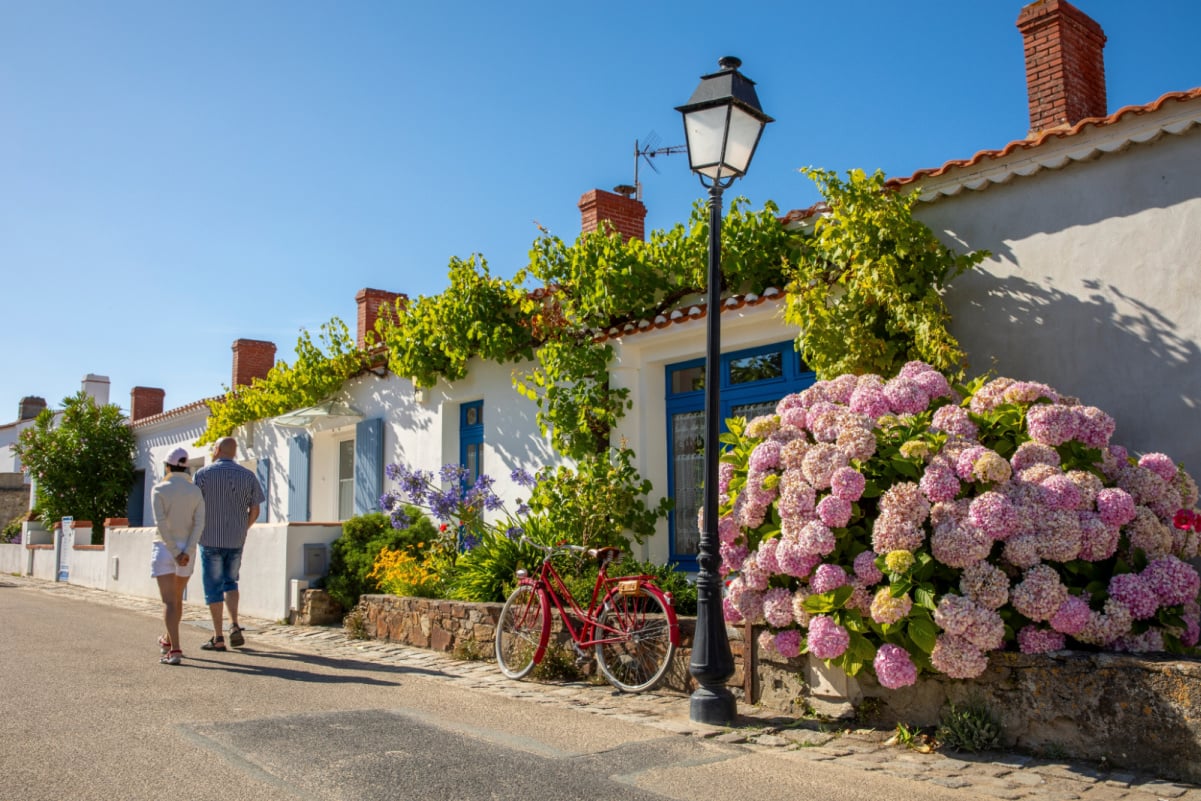
When North American travelers plan a holiday along the French coast, they almost always look straight to the glamorous French Riviera or the historically bustling Mediterranean shores. Yet, a journey toward the western edge of the country along the Atlantic reveals a starkly different, more authentic side of France. This is Vendée, a coastal region that serves as the favored summer getaway for the French themselves.
The region delivers everything a visitor could possibly want from a coastal European escape: dramatic rocky cliffs, pastel-colored fishing villages where daily catches are brought ashore, sprawling salt marshes teeming with wildlife, and grand historical castles that whisper tales of bygone eras. Far removed from the high-fashion price tags of Cannes or Nice, Vendée offers a tranquil, deeply immersive French coastal experience grounded in natural beauty and relaxed local culture.
2. Tbilisi, Georgia
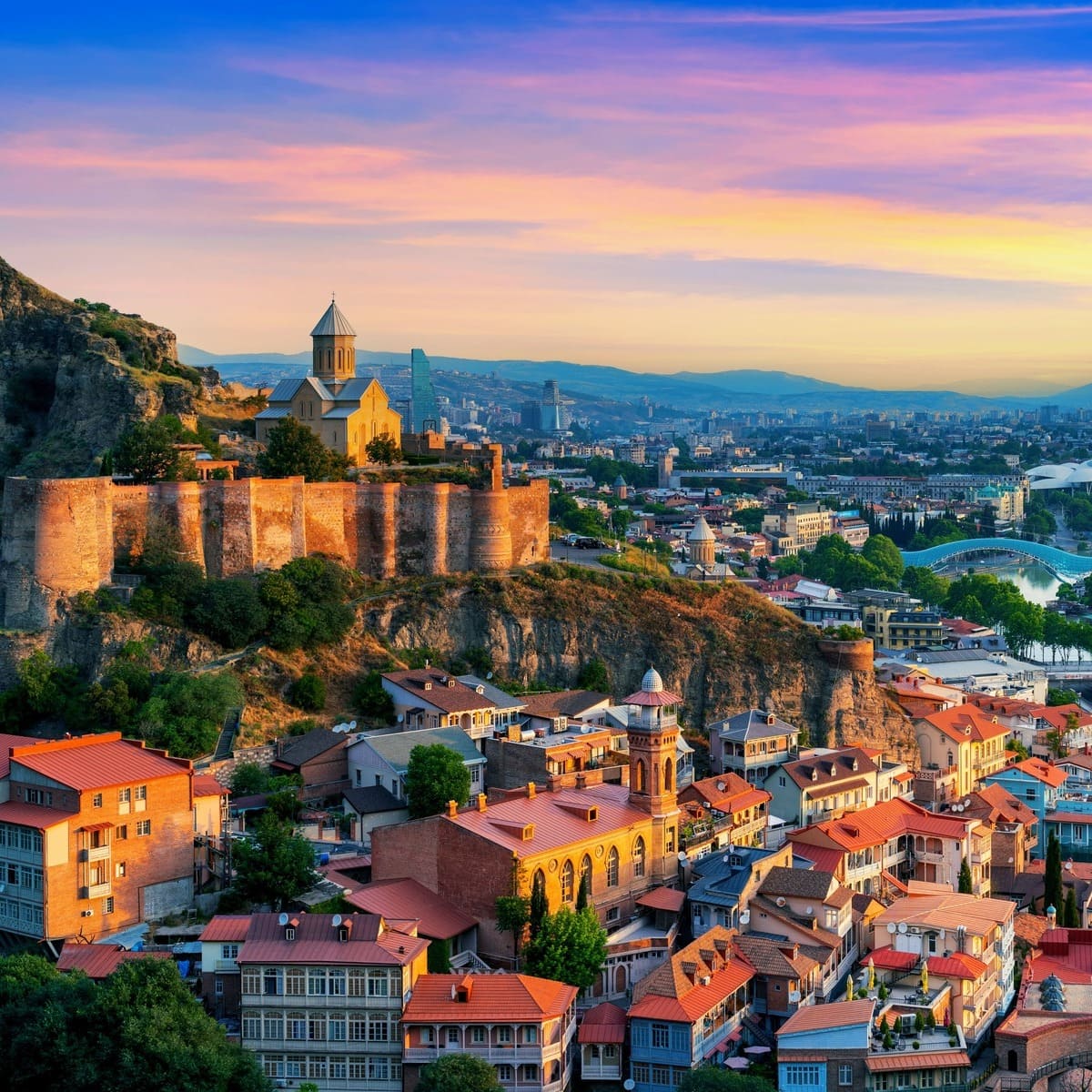
For those willing to swap the expensive, heavily touristed capitals of Western Europe for the rugged, enchanting edge of Eastern Europe, Tbilisi presents an extraordinary alternative. Georgia’s riverside capital is a walkable, endlessly charming city that masterfully blends ancient architectural marvels with the fascinating, concrete remnants of its Soviet past.
Beyond its striking urban landscape, Georgia is rapidly gaining a well-deserved reputation as one of the most dynamic adventure destinations on the planet. Just a short journey outside the city limits, travelers encounter epic mountain treks across the Caucasus range and an ancient wine country that fundamentally challenges conventional views of viticulture. Georgia holds a prominent place in the history of winemaking, famously utilizing Qvevri—huge clay vessels buried underground for fermentation—in a tradition that dates back roughly 8,000 years. For culinary enthusiasts and wine aficionados alike, exploring the vineyards of the Georgian countryside offers a profound connection to humanity’s oldest agricultural traditions.
3. Lake Balaton, Hungary
While international visitors to Hungary typically focus their itineraries on the historic thermal baths and vibrant ruin bars of Budapest, Lake Balaton offers an idyllic, sprawling summer escape that deserves equal attention. Situated in the heart of the country, this massive body of water is often referred to by locals as the Hungarian Sea.

Because the lake is so expansive, its various surrounding towns cater to entirely different travel styles and preferences. Travelers seeking high-energy entertainment can head to the town of Siófok, which hosts major electronic music festivals directly on the waterfront during the peak summer months. Conversely, those in search of a quiet, scenic retreat find sanctuary on the Tihany peninsula, a peaceful enclave famous for its rolling hillsides blanketed in fragrant purple lavender fields and its historic Benedictine abbey overlooking the blue expanse.
4. Puglia, Italy
Italy remains one of the most visited countries on earth, packed with iconic heavyweights that draw millions of tourists annually. However, experiencing incredible coastal views and world-class Italian cuisine does not require fighting the dense summer crowds found in locations like the Amalfi Coast or Cinque Terre. Located in the sun-drenched southern "heel of the boot," Puglia delivers fantastic Adriatic and Ionian beaches, an exceptional culinary tradition rooted in simple, high-quality ingredients, and a fraction of the international tourist traffic.
The region is perhaps most famous for its architectural signature: trulli. These unique, whitewashed stone huts feature distinctive conical roofs and look as though they have been lifted straight out of a European fairy tale. Wandering through towns like Alberobello offers a glimpse into a traditional agricultural lifestyle that has remained largely unchanged for centuries.

5. Mid-Wales, United Kingdom
When travelers envision a trip to Wales, they typically picture the dramatic scenery of the southern coastline or the towering, rugged peaks of Snowdonia in the north. However, Mid-Wales stands out as a remarkable hidden gem packed with pristine, uncrowded beaches, ancient castle ruins, and a deeply preserved Celtic culture.
The Welsh language thrives across this region, giving local towns and rural communities a distinct, magical atmosphere that feels entirely separate from the rest of mainland Britain. The historic seaside town of Aberystwyth, for instance, offers a vibrant, artsy energy complete with cozy traditional pubs, independent vintage shops, and a gorgeous waterfront sauna perched dramatically beneath a cliffside funicular railway. It represents an ideal destination for travelers seeking solitude, literary heritage, and untamed natural landscapes.
| Source | : | Open Passport |
| Author | : | Nana Wu |
| Editor | : | Open Passport Editorial Team |
