
Understanding the Financial Realities of Buying a Home on Leased Land
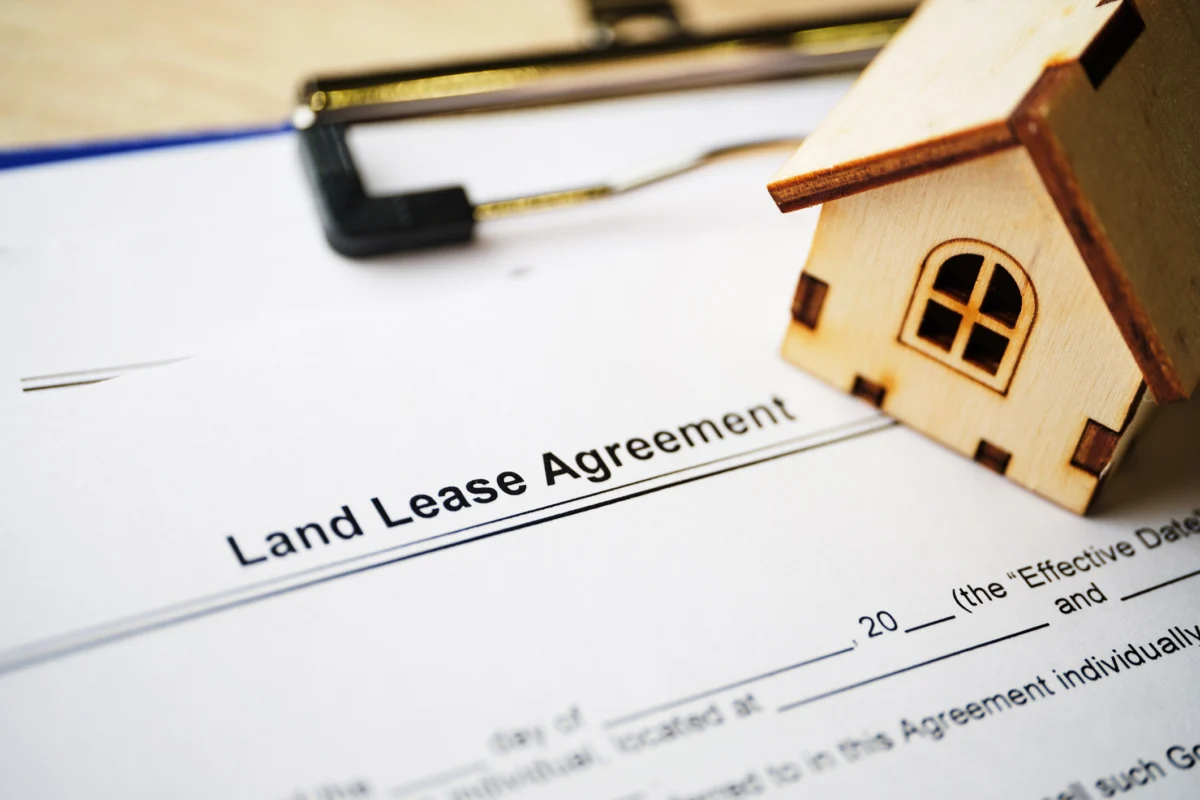
A home with a land lease can often present a significantly lower asking price than a comparable property that includes full ownership of the underlying land. For prospective buyers struggling with high upfront housing costs, that initial price difference can be remarkably appealing in a competitive real estate market. However, industry experts note that there is a distinct trade-off involved in these transactions. Instead of owning both the physical structure and the property it sits on, a buyer typically purchases only the home or a leasehold interest while committing to ongoing monthly rent for the land. Those recurring payments, alongside the specific legal terms of the lease agreement, can ultimately affect overall affordability, mortgage financing options, and the eventual resale value of the property.
Real estate analysts emphasize that a land lease is not inherently a bad financial deal. Whether such an arrangement makes sound economic sense depends entirely on what the buyer actually owns, how much the lease costs on a monthly and annual basis, and what specific stipulations govern the property when the agreement eventually expires. As housing affordability remains a central concern for many households, examining the mechanics, benefits, and hidden risks of land leases has become increasingly vital for modern homebuyers.
What Is a Land Lease Fee?
At its core, a land lease fee is the recurring amount a homeowner pays to use and occupy land that they do not legally own. In a standard, conventional home purchase, the buyer acquires both the residential structure and the underlying plot of land in a transaction generally known as fee-simple ownership. With a land lease, however, that ownership structure is split. One party retains legal ownership of the land itself, while another party holds the right to occupy or use it under the strict confines of a lease agreement.
Depending on the specific arrangement, the buyer may own the physical house, hold a leasehold interest in the property, or own a manufactured home situated on a rented lot. The periodic payment for using the land goes by several names, including ground rent, lot rent, or simply a land lease fee. These unique arrangements can be found across various housing sectors, including manufactured home communities, certain condominium developments, and specific residential neighborhoods where the underlying land was historically parceled out or held by a separate corporate or private owner.
The state of Hawaii serves as one of the most prominent U.S. markets for leasehold condominiums. In that region, some condominiums are sold with ownership interests that remain subject to long-term ground leases rather than offering fee-simple ownership of the underlying soil. The most crucial distinction for any prospective buyer to understand is that purchasing a home on leased land does not automatically grant the buyer ownership of the land beneath their feet.
How Does a Land Lease Work?
A residential land lease functions as a legally binding contract between the landowner, formally known as the lessor, and the person or entity leasing the land, known as the lessee. This foundational agreement establishes the right to use the property for a specified period and explicitly details the financial and operational obligations of each participating party. A typical residential land lease may address duration, renewal options, permitted land uses, insurance, and the handling of property taxes.
The operational terms of these leases vary substantially across the real estate market. Some arrangements involve long-term ground leases that last for several decades, offering a semblance of stability. Others, particularly within manufactured home communities, may involve shorter agreements that are heavily subject to state and local tenant protection laws. Real estate advisors consistently warn that a buyer should never assume a land lease offers the exact same bundle of rights as owning land outright.
Comparing ownership structures reveals that neither fee-simple nor land lease models guarantee a particular financial outcome. The central question for the consumer is whether a lower initial purchase price adequately compensates for the enduring ongoing costs and restrictive limitations of the lease over the long term.
Why Are Land Leases Attractive to Some Homebuyers?
The primary attraction of a home on leased land is nearly always affordability. When the land is excluded from the purchase, the asking price can drop significantly below that of a comparable home sold with its own lot. This reduction can lower the total amount of money required for a down payment, though actual financing requirements ultimately depend on the specific property and the chosen loan program. For buyers with limited savings, this lower initial cost barrier can make homeownership worth considering. Nevertheless, financial experts caution that a lower asking price does not automatically equate to a lower total cost of living, as the land lease fee continues long after the real estate closing and frequently rises over time.
Beyond initial pricing, land leases can provide access to desirable geographic locations that might otherwise be entirely out of financial reach. Land values often account for a massive portion of real estate prices in prime metropolitan or suburban markets. Leasing the land allows buyers to enter neighborhoods where purchasing both the house and the lot simultaneously would be prohibitively expensive. The primary trade-off is that the homeowner’s ongoing rights remain strictly subject to the boundaries of the lease. Experts advise buyers to compare similar properties within the exact same market rather than assuming every leasehold property represents an automatic discount.
In addition to location and price, certain land-lease communities manage shared landscaping, private roads, recreational facilities, and other common amenities. This setup can appeal heavily to buyers seeking fewer personal maintenance responsibilities. However, maintenance is not automatically included simply because the land is leased. The landowner, a homeowners association, a community operator, or the individual homeowner may be responsible for entirely different tasks depending on the contract. Buyers must review the lease and community documents to determine what services are covered by their recurring fees.
Manufactured housing represents another sector where land leases are common. A buyer may own the manufactured home itself while renting the underlying lot, reducing initial acquisition costs compared to purchasing a manufactured home paired with a separate parcel of land. However, this flexibility has distinct boundaries. Moving a manufactured home can prove exceptionally expensive, technically difficult, and practically challenging, often requiring specialized transportation, permits, and a suitable replacement site. Consequently, homeowners wishing to relocate often find selling the home in place is their only viable option, making lot rent increases and community rules critical factors to evaluate.
What Are the Biggest Risks of Buying a Home on Leased Land?
While the initial appeal is clear, several notable risks accompany land-lease properties. A low initial land lease fee rarely remains static. Some agreements establish scheduled increases, while others permit adjustments based on inflation, general market conditions, or specific review formulas outlined in the contract. While certain states and local municipalities regulate lot rent increases in manufactured home communities or require advance notice, these legal protections are far from uniform nationwide. Without reviewing local ordinances and lease provisions, buyers may struggle to determine whether the arrangement will remain affordable in future years.
Another significant risk involves the expiration of the lease itself. Unlike fee-simple ownership, which continues indefinitely, a leasehold interest features a strictly defined duration. A long remaining term offers stability, but buyers must understand whether lease renewal is guaranteed, optional, or subject to future negotiations. Furthermore, buyers must ascertain what happens to the physical home and any structural improvements once the agreement ends, as these outcomes depend heavily on the contract and applicable local laws.
Selling a home on leased land can also introduce complications. The underlying lease may restrict how the property is transferred, often requiring formal approval from the landowner or community operator prior to closing. Additionally, a shorter remaining lease term can deter prospective buyers and make lenders hesitant to finance the purchase, impacting the overall marketability and resale value of the property.
Financing options for leasehold properties can also be limited. Lenders maintain distinct rules depending on whether the transaction involves a conventional leasehold residence, an FHA-insured mortgage, or a manufactured home on a rented lot. Conventional lenders, such as Fannie Mae, enforce specific leasehold requirements, often mandating that the unexpired lease term extend several years beyond the maturity date of the mortgage. FHA guidelines similarly outline precise lease-term rules, which frequently require decades of remaining lease life depending on the loan amortization schedule. For manufactured homes on leased land, financing pathways can be even more restrictive unless the property meets specific community and project approval standards, though programs like the FHA Title I Manufactured Home Loan Program offer alternative financing routes under strict regulatory guidelines.
How Much Does a Land Lease Really Cost?
To accurately evaluate a land-lease property, buyers must look beyond the purchase price and calculate total monthly housing expenses. While a mortgage payment may be lower due to the reduced loan amount, the addition of a monthly land lease fee can completely neutralize that savings. Moreover, financial models must account for potential future increases in ground rent. If a lease permits annual percentage adjustments, the monthly fee can compound significantly over a decade, resulting in substantially higher yearly housing costs than originally anticipated at the time of purchase.
Property tax obligations also require careful investigation. Homeowners should never assume they will automatically save on taxes simply because they do not own the land. Depending on local laws and the specific ownership structure, a homeowner may still owe property taxes on the physical structure or improvements. In other instances, the landowner pays the property tax bill and recoups that expense indirectly through higher ground rent charges, meaning the resident bears the financial burden regardless of the direct billing mechanism.
Evaluating the Deal
Ultimately, deciding whether a land lease is a sound financial choice depends on the specific price difference, the terms of the lease, available financing options, and the expected duration of ownership. A land lease may make practical sense when upfront savings are substantial, recurring payments remain manageable, and the agreement offers robust legal protections for the homeowner. Conversely, it can prove less attractive when rent increases are unpredictable, the remaining lease term is short, financing proves difficult to secure, or resale restrictions are burdensome. By examining the total cost of purchasing, occupying, maintaining, and eventually selling the property, buyers can determine whether a land lease represents genuine long-term savings or merely shifts financial expenses into the future.
| Source | : | Open Passport |
| Author | : | Asro |
| Editor | : | Open Passport Editorial Team |
