
Ohrid Emerges as a Quiet Lakeside Base for Remote Workers Amid Limited Infrastructure
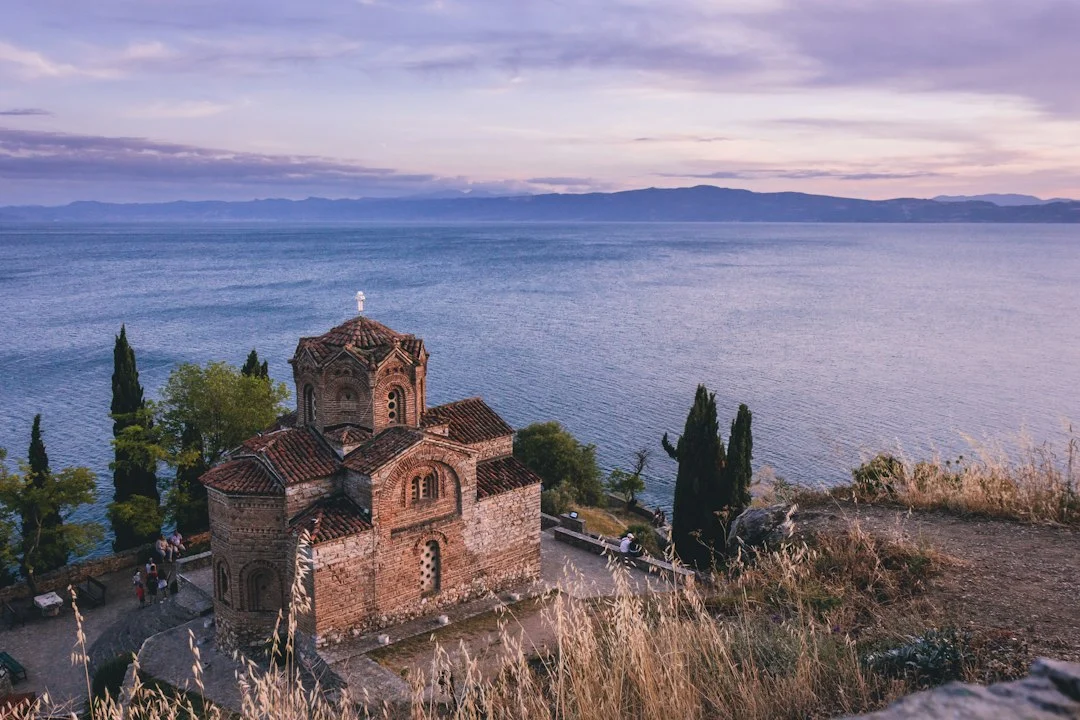
Ohrid is positioning itself as a compact lake city with a year-round local population, an extended tourism season, and a small but visible remote-work infrastructure. For digital nomads who prioritize walkability, direct lake access, and a slower-paced daily rhythm, the historic North Macedonian destination offers a distinct alternative to larger regional capitals. However, prospective remote workers must weigh these lifestyle advantages against limited coworking options, highly seasonal housing and transport markets, and fewer year-round international services than what can be found in a major hub like Skopje.
Ohrid at a Glance
As a destination, Ohrid works best when the surrounding nature and a deliberate shift away from frantic urban life form the core motivation for a relocation. The city’s core is easily navigable on foot, placing grocery stores, local markets, and cafes within comfortable reach. Intercity bus routes reliably connect Ohrid with Skopje and other regional destinations. Remote workers considering a stay will often find that spending a month during the shoulder seasons of April, May, June, September, or October yields a much better balance than visiting during the peak summer weeks, which bring higher crowds and inflated prices.
At the same time, Ohrid is not a direct substitute for a major metropolitan remote-work ecosystem. The supply of dedicated workspaces remains thin, winter flight schedules and tourism-related services can be significantly restricted, and a summer apartment advertised on a short-term nightly basis will often command a much higher price than a traditional local lease. Professionals are advised to verify internet speeds, heating and cooling provisions, workspace operating hours, and lease conditions before making a financial commitment. Those seeking a larger regional base with robust coworking facilities and diverse transport connections frequently look to alternative Balkan options, such as Sarajevo.
Entry, Remote Work, and Tax Questions
Navigating the legalities of staying in North Macedonia requires careful preparation, as rules depend heavily on individual nationality and legal status. The Ministry of Foreign Affairs publishes a portal covering visa requirements, entry regulations, types of visas, and application procedures. While the government investment agency outlines provisions for short-stay C visas and long-stay D visas, these frameworks should not be misinterpreted as a universal digital nomad permission.
Visitors must not assume that visa-free entry automatically grants the right to engage in remote work activities. The legal standing of an employer, client relationships, and the intended length of stay must be verified with the Ministry of Foreign Affairs or a qualified legal adviser prior to departure. Furthermore, tax residency rules add another layer of complexity. According to the Public Revenue Office, foreign nationals who remain in the country for more than 183 days within a 12-month period may be treated as tax residents, though applicable double-taxation treaties and the center of vital interests can also influence the outcome. Travelers should meticulously track their dates and secure professional guidance before planning an extended or repeated stay.
Best Areas to Stay in Ohrid
Choosing the right neighborhood in Ohrid shapes the entire remote-working experience, with several distinct districts offering varying advantages and compromises.

Centar and the promenade place shops, restaurants, the waterfront, and numerous short-stay apartments within easy walking distance. It serves as the most straightforward base for newcomers who do not plan on renting a car. However, during local festivals and peak summer weekends, prospective residents should check for street noise and parking availability before paying a deposit.
The edge of the Old Town provides unmatched atmosphere and immediate proximity to historic landmarks, but its steep stairwells, narrow cobblestone streets, and historic stone buildings can complicate luggage transport, taxi access, heating efficiency, and desk setups. Visitors should inspect the actual interior rather than relying solely on scenic views.
Biljanini Izvori and the south-central area offer a quieter environment while remaining within walking distance of both the lake and the city center. This zone suits a steady daily routine, provided the chosen apartment features reliable heating, a proper work table, and strong mobile reception.
The neighborhoods located north and west of the center feature residential streets further away from the promenade, offering more traditional local leases and reduced summer noise. The primary trade-off is a longer walk to the waterfront and coworking spaces, making it essential to map out routes after dark and during inclement weather before signing an agreement.
Housing and Seasonal Pricing
Housing represents the most significant financial variable for remote workers in Ohrid. Local furnished listings published in August 2026 advertised a 45-square-meter one-bedroom apartment for 18,000 Macedonian denars per month plus utility costs. In contrast, flexible off-season rental options have appeared ranging from 500 to 700 euros per month with utilities and fees included. These figures serve as isolated planning benchmarks rather than a uniform market average.
An indicative monthly budget model allocates 30,000 denars for a furnished studio or one-bedroom apartment secured on a flexible monthly arrangement. This amount may prove insufficient for a prime lake-view property during July and August, while potentially exceeding the cost of a long-term local annual lease. Before transferring funds, tenants must confirm utility responsibilities, internet reliability, and lease flexibility.

Coworking and Internet Setup
While Ohrid features usable work options, inventory must be confirmed immediately prior to arrival due to its limited scale. Established spaces such as CoWorkOhrid and seasonal initiatives like the Ohrid By Lake weekly products provide structured environments for remote professionals, though availability fluctuates. An estimated monthly allocation of 6,000 denars typically covers a mix of workspace day passes and cafe expenditures, though relying entirely on third-party day passes for a full month will increase costs.
Transport and Getting Around
While the city center is easily navigated on foot, the broader lakeshore and surrounding mountain regions require motorized transport. Regional carriers such as Galeb publish local timetables, though regional and seasonal schedules are subject to change. Official tourism authorities also release seasonal passenger boat timetables along the lakeshore, which should be treated as seasonal guidelines rather than year-round guarantees.
For a month-long stay without a vehicle, walking, local buses, and occasional taxis are generally sufficient for city-based routines. Rental cars offer valuable flexibility for exploring remote villages and mountain trailheads, but they also introduce parking fees, insurance requirements, and cross-border restrictions. Renters must read their contracts carefully rather than assuming a vehicle can be driven freely into neighboring countries like Albania.
Weather and the Best Season
Data from North Macedonia’s State Statistical Office illustrates a climate characterized by real winters and distinct wet periods rather than a year-round Mediterranean beach environment. Meteorological records indicate an annual average temperature of 12.4 degrees Celsius at the Ohrid station, alongside significant precipitation, numerous rainy days, and intermittent snowfall.
Summer brings peak tourism demand and a vibrant lakeside atmosphere, but it also introduces high accommodation costs and urban noise. Spring and early autumn provide the most balanced environment for remote work, offering pleasant weather and manageable crowds. Winter remains quiet and cost-effective, provided that accommodations feature verified heating systems and that the reduced availability of transport and hospitality aligns with the worker’s lifestyle preferences.
Food, Groceries, and Everyday Life
Ohrid supports an active culinary landscape featuring supermarkets, local bakeries, produce markets, and an expanded summer restaurant scene. A standard monthly model allocates approximately 14,000 denars for groceries, local dining, and occasional cafe visits, though frequenting upscale waterfront establishments will quickly elevate expenses.

English is widely spoken in tourism-oriented businesses, but communication with landlords, medical personnel, or utility providers is not guaranteed to be in English. Utilizing translation apps and learning a few basic Macedonian phrases facilitates daily tasks. While electronic card payments are common, they are not universal, making it essential to keep cash in denar on hand for local transport and smaller merchants.
Things to Do Without Turning the Month Into a Holiday
The UNESCO-listed lake and historic zone, the Old Town, lakeside promenades, ancient churches, and access to the Galicica National Park provide a robust after-work routine. The key to maintaining productivity is scheduling recreational activities around weather conditions and official access hours rather than cramming excursions into working days.
Weekends are best reserved for extended lake or mountain trips, preserving weekdays for professional duties, errands, and physical exercise routines. During the summer months, booking only essential activities in advance preserves flexibility against extreme heat, sudden storms, and peak tourist congestion.
Families, Health, and Fitness
Families considering Ohrid must evaluate schooling, pediatric care, winter heating, playground access, and building infrastructure independently from standard nomad budgets. A scenic holiday destination does not automatically translate into a practical environment for a full school term.
The city provides local health clinics, pharmacies, and fitness centers, though complex medical needs may require travel to a larger urban center. Visitors must verify their insurance coverage and payment policies prior to arrival, as standard visitor status does not grant automatic access to the public healthcare system.
Community and Jobs
The local remote-work community is significantly smaller and more seasonal than those found in larger European capitals. Engaging with recurring workspace communities, language exchanges, sports clubs, or volunteer initiatives serves as a more reliable path to local connection than relying on transient nomad networking events.

Remote workers must operate strictly under the assumption that they are utilizing foreign income. Visitor status does not confer the right to seek local employment or engage in domestic business activities without proper registration, work authorization, and adherence to tax obligations.
Monthly Budget for One Remote Worker
An editorial scenario for a single remote worker in Ohrid totals approximately 69,500 denars per month. Based on the middle exchange rate published by the National Bank of the Republic of North Macedonia, this equals roughly US$1,265, calculated at a rate of 54.9415 denars to the dollar. Individual costs will vary depending on commercial exchange spreads and card transaction fees.
This financial model excludes international flights, visa or residence permit application fees, security deposits, major hardware purchases, private schooling, and frequent intercity travel. Seasonal fluctuations in housing costs represent the primary financial risk for travelers planning an extended stay in the region.
| Source | : | Open Passport |
| Author | : | Evan Lee Salim |
| Editor | : | Open Passport Editorial Team |
