
Remote Work in the Balkans: Assessing Sarajevo as a Digital Nomad Base for 2026
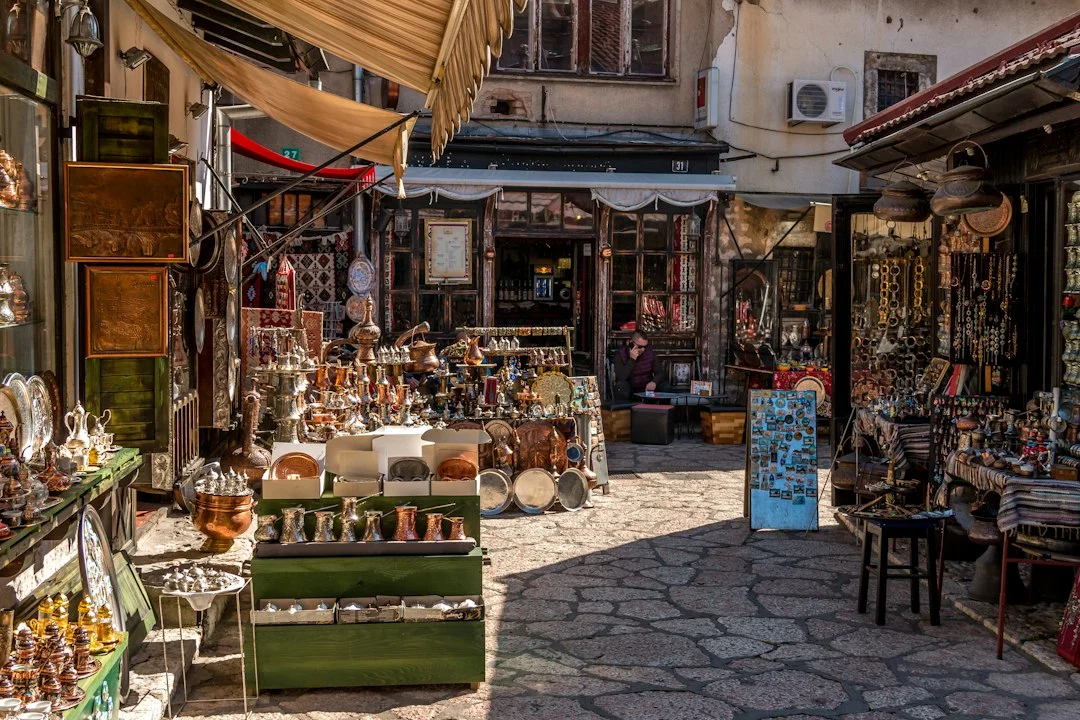
For remote workers seeking a compact historic center, affordable workspaces, and immediate access to dramatic mountain topography, Sarajevo presents a compelling yet nuanced option. A realistic assessment of the city as a temporary home for digital nomads requires looking past cheap headline rents to evaluate seasonal variables, including winter heating efficiency, particulate air quality, the steepness of neighborhood approaches, and the reliability of digital infrastructure for high-stakes video calls.
Recent editorial research outlines a baseline financial model for a single month in the Bosnian capital, pegged at 3,430 BAM, or approximately US$1,960 based on exchange rates from late 2026. This comprehensive figure factors in a private furnished apartment allowance, groceries and dining out, utilities, a dedicated coworking membership, local transport, leisure, and insurance coverage. Rather than serving as a guaranteed city-wide average or a promise of immediate housing availability, the budget functions as a practical planning basket for remote professionals comparing Balkan bases against traditional Western European hubs.
Evaluating Sarajevo for Long-Term Remote Work Routines
Sarajevo distinguishes itself best as a destination for establishing a steady daily routine rather than a transient stopover designed to squeeze sightseeing between professional obligations. Successful remote workers in the city typically emphasize selecting a base where a grocery store, a professional workspace, and a refreshing daily walk are all easily accessible on foot. A room boasting an exceptionally scenic view can quickly prove to be a poor bargain if the in-room desk is ergonomically unsuitable or if the final approach involves an unpaved, steep, and potentially slippery hillside climb.
Experienced travelers frequently recommend booking a flexible first week to test actual work tools under local conditions before committing to a longer-term rental agreement. This cautious approach is particularly critical for professionals working North American hours, who must verify evening entryway security, street lighting, ambient noise levels, and nighttime transportation options rather than judging a neighborhood solely by its daytime charm. For those weighing various regional hubs, neighboring capitals offer similar lifestyle and housing checklists, though local infrastructural challenges vary widely across the Balkan Peninsula.
Workspace Infrastructure: Coworking Spaces and Connectivity
Professional workspace availability centers around options like Tershouse, located on Kolodvorska street. Official documentation for the facility lists dedicated desks starting at 300 KM per month, providing secure badge access and allocated meeting-room hours. However, prospective members often encounter discrepancies regarding day-pass pricing between flexible booking sections and frequently asked questions, alongside conflicting cancellation policies. Remote workers are advised to secure a written quotation detailing exact plans, applicable taxes, meeting room allotments, and cancellation rules prior to rendering payment.
While workspace providers broadly advertise high-speed wireless connectivity, independent verification of actual upload speeds and latency during peak hours remains essential for uninterrupted video conferencing. Visiting a facility during normal working hours to run connection diagnostics and check the availability of private phone booths ensures that shared desks and confidential calling spaces will meet professional demands.
Home internet connections similarly require direct verification. Asking a landlord for a fresh speed test—specifically checking upload capabilities rather than download speeds alone—prevents unpleasant surprises once remote operations begin. Mobile data solutions via local SIM cards or regional eSIMs offer reliable backups, provided users carefully verify hotspot allowances, activation procedures, and network coverage within the specific confines of their apartment. While cafes remain popular for casual work sessions, relying on them as primary offices is discouraged due to limited power outlets, restricted laptop policies, and etiquette surrounding extended table occupancy during busy dining hours.
Neighborhood Selection and Housing Economics
Neighborhood selection dictates much of the remote work experience in Sarajevo. Baščaršija and Stari Grad place residents immediately adjacent to the historic old town, though prospective tenants must inspect exact addresses carefully to avoid hidden staircases, steep inclines, and logistical challenges associated with luggage delivery or street noise. Centar and Marijin Dvor offer balanced access to central municipal services and transit links, rewarding those who prioritize quiet, rear-facing windows over impressive street-facing balconies that amplify urban noise. Meanwhile, residential districts like Grbavica and Novo Sarajevo appeal to professionals seeking an authentic neighborhood routine organized around domestic life rather than tourism.
Rental market data from local platforms illustrates considerable variance in asking prices across these sectors. While peripheral residential offerings can be found for under 1,000 KM per month, central apartments frequently command significantly higher rates depending on square footage, furnishing quality, and lease duration. Security deposits, utility arrangements, and seasonal availability further complicate housing searches, making flexible initial arrangements a prudent strategy for newcomers.
Immigration, Legal Frameworks, and Daily Living Costs
Current regulations from immigration and security authorities generally permit eligible visa-exempt travelers to remain in Bosnia and Herzegovina for up to 90 days within any 180-day period, depending on nationality and applicable bilateral agreements. Short-term tourist entry does not automatically confer the right to engage in remote employment without proper authorization, and visitors must adhere to mandatory local registration timelines. Commercial accommodation providers typically register guests within hours of arrival, whereas private rental arrangements may necessitate formal registration with local authorities within a specified window following entry.
Navigating daily life involves managing modest transportation and subsistence expenses. The city’s public transit network, operated by GRAS, provides extensive tram, trolleybus, and bus services with standard single and daily ticket options. Food expenditures can be effectively managed by combining local market shopping with occasional dining out, though travelers with specific dietary requirements are encouraged to verify ingredients directly rather than relying solely on menu descriptions.
Climate Considerations and Seasonal Planning
Winter in Sarajevo introduces significant environmental factors that demand careful consideration from incoming remote workers. Academic research and municipal data highlight serious seasonal particulate air pollution driven heavily by solid-fuel heating systems and topographical trapping in the valley. Consequently, air quality must be treated as a primary planning parameter, particularly for individuals with respiratory sensitivities or those who prefer outdoor exercise regimens. Selecting accommodations with modern heating, adequate ventilation systems, and flexible outdoor routines ensures that winter stays remain comfortable and productive, proving that seasonal adaptation is just as vital to a successful remote work experience as the monthly rent itself.
| Source | : | Open Passport |
| Author | : | Evan Lee Salim |
| Editor | : | Open Passport Editorial Team |
