
On the Frontlines of Crisis: Kenyan Youth Climate Activist Erica Njuguna on Debt, Fossil Fuels, and the Fight for Justice
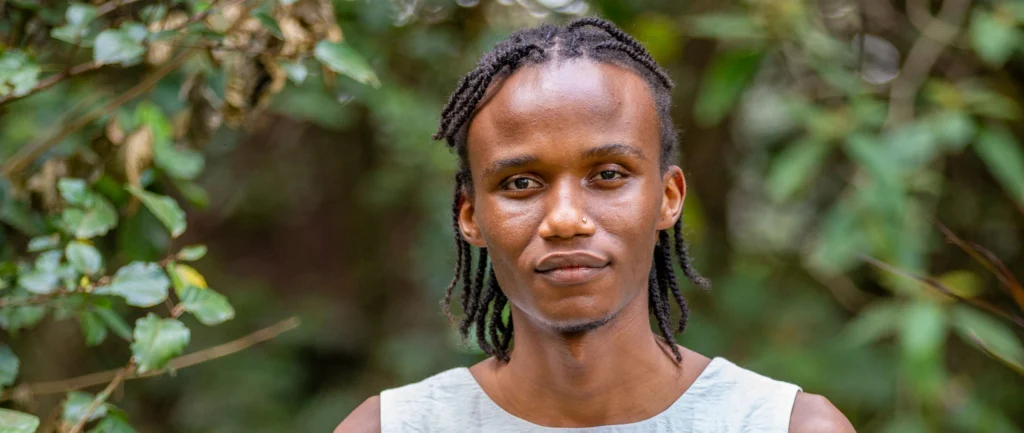
The intersection of ecological collapse and crushing economic inequality has forged a new generation of fierce resistance across the globe. Among those leading the charge is Erica Njuguna, a 22-year-old Kenyan youth climate justice activist whose life and work embody the struggles of a generation caught between a warming planet and predatory financial systems. As the global coordinator for ANGRY (The Alliance of Non-governmental Radical Youth), Njuguna is fighting tirelessly for a fossil-free, debt-free, and fundamentally just future.
Her journey into activism did not begin in a lecture hall or a corporate boardroom, but out of absolute necessity. In an extensive interview with Amnesty International, Njuguna reflects on the harrowing realities of taking to the streets, the neocolonial roots of the climate crisis, and why the younger generation refuses to back down in the face of escalating state violence and systemic oppression.
The Spark of Activism and the Fridays for Future Movement
Njuguna’s awakening to the climate emergency was neither theoretical nor distant; it was deeply personal. In 2017, Kenya experienced a severe, prolonged drought that triggered widespread water shortages and forced strict rationing programs across the country, including the capital city of Nairobi. For Njuguna and millions of her compatriots, daily life suddenly became profoundly difficult, exposing the fragile infrastructure of a nation grappling with environmental degradation.
This lived experience propelled her into the environmental movement while she was still navigating high school. During a period when young people worldwide were waking up to the existential threat of a warming planet, Njuguna joined the burgeoning Fridays for Future movement in Kenya. Alongside her peers, she helped organize public demonstrations demanding immediate governmental accountability and systemic reform.
These youth-led coalitions eventually carried their demands directly to the United Nations Climate Change Conferences, commonly known as COP. Their message on the global stage was unequivocal: wealthy nations of the Global North must provide substantial climate finance to developing countries, accelerate mitigation efforts, phase out the fossil fuel industry entirely, and inject massive investments into renewable energy infrastructure. Yet, as years passed, the structural hurdles facing countries like Kenya only multiplied, forcing Njuguna and her peers to expand the scope of their resistance.
The Evolution of Activism: From Climate to Economic Justice
In recent months, Njuguna’s activism has naturally expanded to encompass the sweeping Gen Z-led protests that have rocked Kenya. These mass mobilizations were catalyzed by severe socio-economic conditions directly tied to the nation’s staggering national debt burden. With a significant portion of public revenue redirected toward servicing foreign loans, the Kenyan government has severely underfunded essential public services, including healthcare, education, and social infrastructure.
Today, the cost of living in Nairobi has grown unbearable, compounded by heavy taxation on everyday goods and essential products. This toxic combination of systemic debt servicing and domestic austerity has created a standard of living that Njuguna describes as unlivable. Pushed to the absolute brink, young Kenyans have flooded the streets to demand sweeping economic reforms, the cancellation of unsustainable national debts, and fundamental political change.
For Njuguna and her contemporaries, youth participation in these protests is not merely an option; it is an existential imperative. Young people are confronting a severe domestic employment crisis while watching higher education become increasingly commodified and out of reach. The compounding failures of underfunded social services and economic stagnation have forced a generation to hold authorities accountable. However, Njuguna emphasizes that the struggle goes beyond immediate policy changes. There remains a critical need to build deep political awareness among young people, helping them recognize the underlying capitalist and neocolonial imperialist structures that have engineered their current reality.
The Terror of the Streets and State Violence
Taking to the streets to demand justice in Kenya comes with profound personal risk. Describing the visceral experience of protesting in downtown Nairobi near the General Post Office, Njuguna details the stark contrast between the collective solidarity of the crowd and the brutal tactics deployed by state security forces.
Chanting slogans demanding debt cancellation and the resignation of President William Ruto, protesters were met with swift and violent police crackdowns. Njuguna recalls standing mere blocks away when police launched teargas canisters directly into the dense crowds. Cornered in a cloud of suffocating gas, her vision blurred, and breathing became nearly impossible. In those terrifying moments, surrounded by peers scrambling for fresh air, she genuinely feared for her life. Yet, as she notes, the choking smoke was merely a precursor to even deadlier tactics, including the use of live ammunition by security forces.
During attempts by protesters to march toward Parliament, police deployed water cannons spraying a chemical liquid that left skin burning and severely itching upon contact. The psychological toll of these encounters has left many young demonstrators dealing with post-traumatic stress. Notably, Njuguna observes that the most fearless participants were often those hailing from informal settlements and urban slums—young people who had nothing left to lose in an economy that denied them jobs, affordable healthcare, and educational opportunities.
Colonialism, Carbon Markets, and Climate Reparations
When discussing the macroeconomic forces shaping the current global landscape, Njuguna addresses the lingering legacies of colonialism and the vital necessity of reparations. Countries in the Global South have historically contributed the least to global greenhouse gas emissions, yet they bear the most catastrophic impacts of the climate crisis.
Meanwhile, nations in the Global North continue to double down on fossil fuel production, propping up domestic industries through substantial financial subsidies while failing to enact meaningful phase-out policies. This diplomatic and industrial inaction acts as fuel on an already raging fire. Furthermore, Njuguna criticizes false solutions like carbon offset markets, which frequently result in Indigenous peoples being displaced from their ancestral lands. She characterizes these market mechanisms as convenient accounting tricks that allow wealthy countries and multinational corporations to continue polluting without altering their domestic emissions trajectories.
To rectify these historical and ongoing injustices, Njuguna argues that the Global North owes comprehensive climate reparations to the Global South. Developing nations require trillions of dollars in public adaptation finance to build resilient, liveable environments. However, much of the meager funding that does trickle down is issued in the form of high-interest loans—a dynamic she condemns as modern neocolonialism.
The Defense of Humanity and Global Solidarity
Amid authoritarian clampdowns and the global resurgence of far-right rhetoric, Njuguna stresses the urgent necessity of reclaiming our shared humanity. Practices of cruelty and dehumanization directed at marginalized communities, including migrants, frontline climate populations, and queer individuals, are increasingly normalized in mainstream political discourse.
This erosion of empathy, she contends, is actively sustained by a global economic elite. The richest one percent control the dominant media narratives, intentionally distracting the public from the extreme concentration of global wealth. While a handful of trillionaires amass unprecedented fortunes, billions of people face chronic hunger and the worsening shocks of environmental collapse. For Njuguna, humanity must win this ideological and structural battle by standing together in global solidarity against greed that prioritizes elite accumulation over the survival of the majority.
Through her ongoing collaboration with international networks like Amnesty International, Njuguna leverages established platforms to amplify the grassroots struggles of youth worldwide. By bringing visibility to the injustices unfolding in Kenya and across the Global South, these alliances help bridge local resistance movements with a broader, interconnected global fight for human rights and ecological survival.
| Source | : | Open Passport |
| Author | : | Azzam Bilal Chamdy |
| Editor | : | Open Passport Editorial Team |
