
Why Travelers Should Skip the Major Crowds and Visit These 5 Underrated European Christmas Markets
While the official opening dates for Europe’s most famous winter festivals are still a few weeks away, travel experts emphasize that early planning is essential to secure affordable accommodations and avoid soaring seasonal prices. For those looking to experience the continent’s most magical season without battling overwhelming crowds or paying inflated tourist-trap rates, industry veterans suggest looking beyond the well-worn paths of major hotspots like Strasbourg, Cologne, and Vienna. Instead, seasoned travelers are turning their attention to smaller, cozier destinations that offer authentic Old World charm, affordable local treats like $4 mulled wine, and a far more relaxed atmosphere.
Having visited more than 40 Christmas markets across the continent, travel experts point out that avoiding heavily congested hubs significantly improves the festive experience. This year, five distinct European destinations stand out for travelers seeking a slower, more enchanting winter getaway rooted in rich local traditions.
Zagreb, Croatia
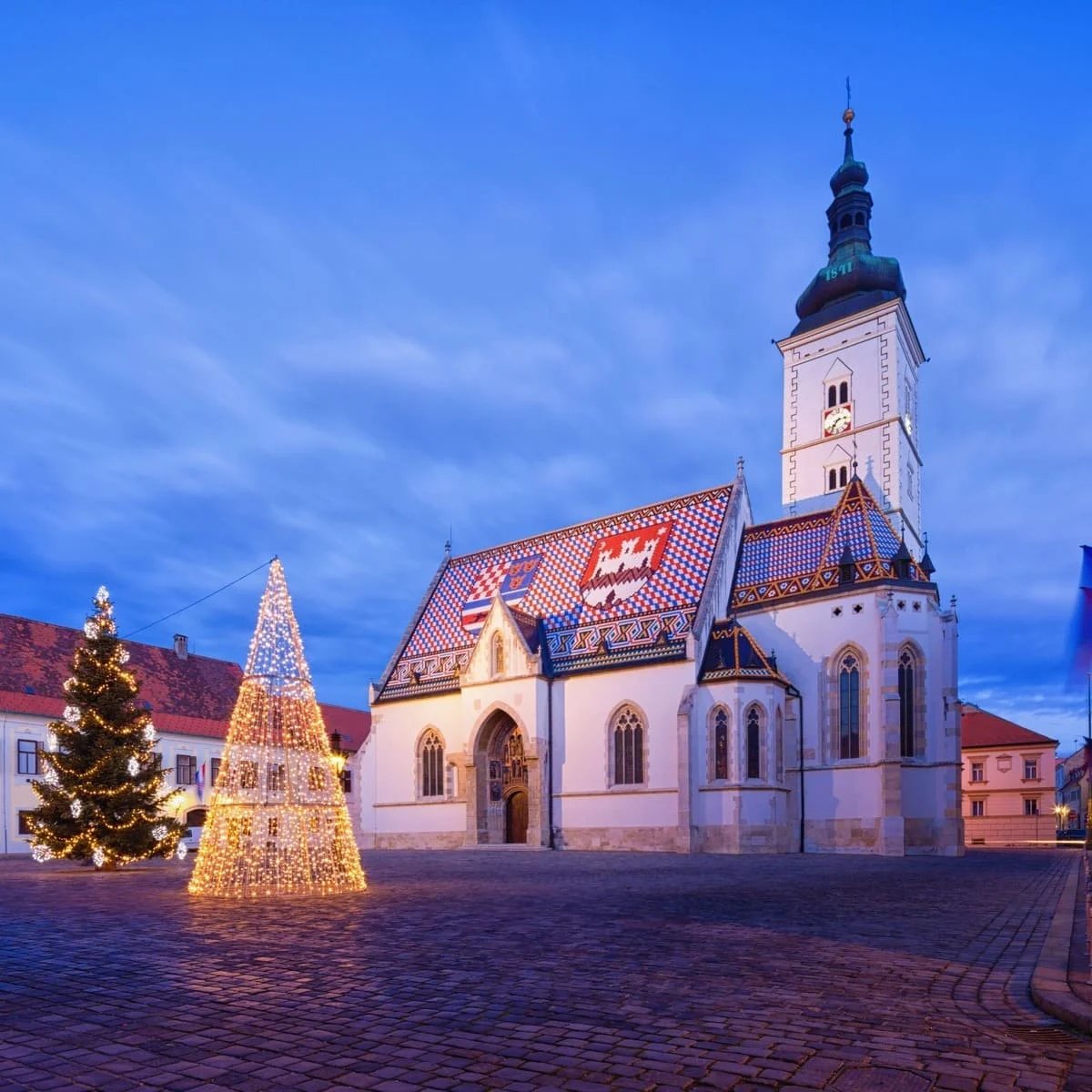
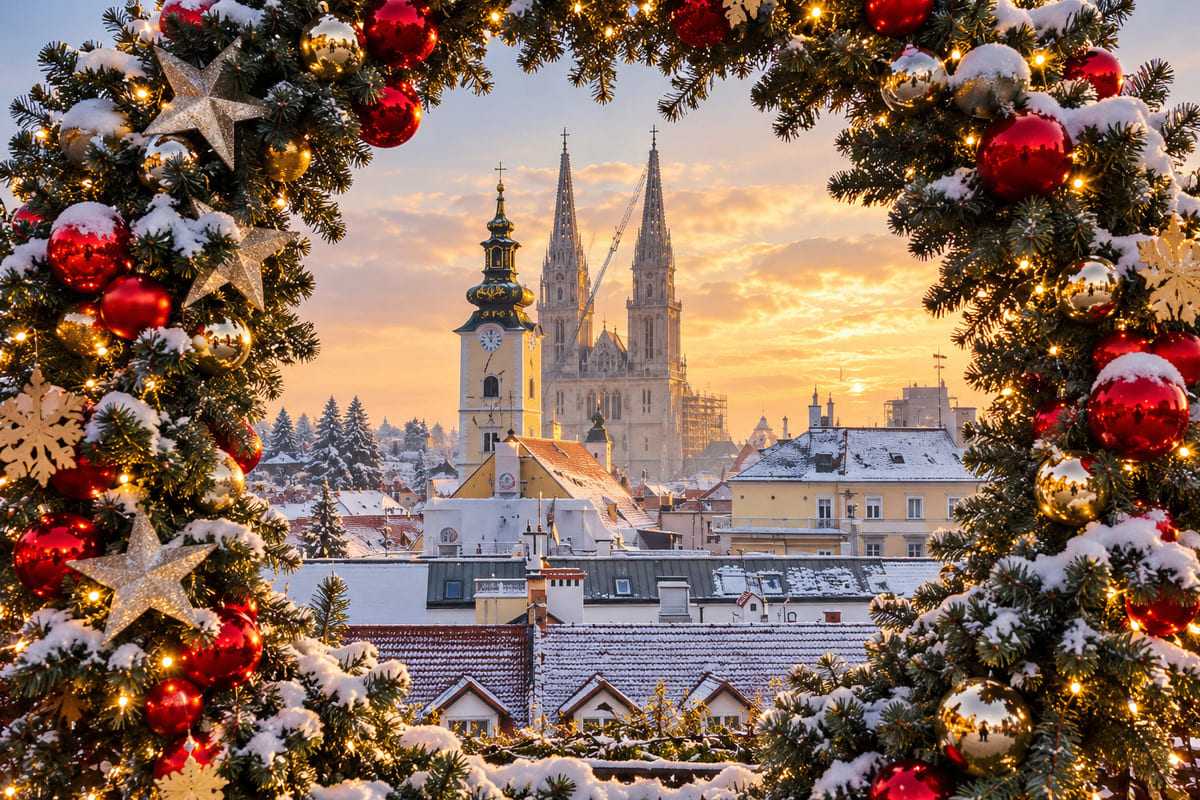
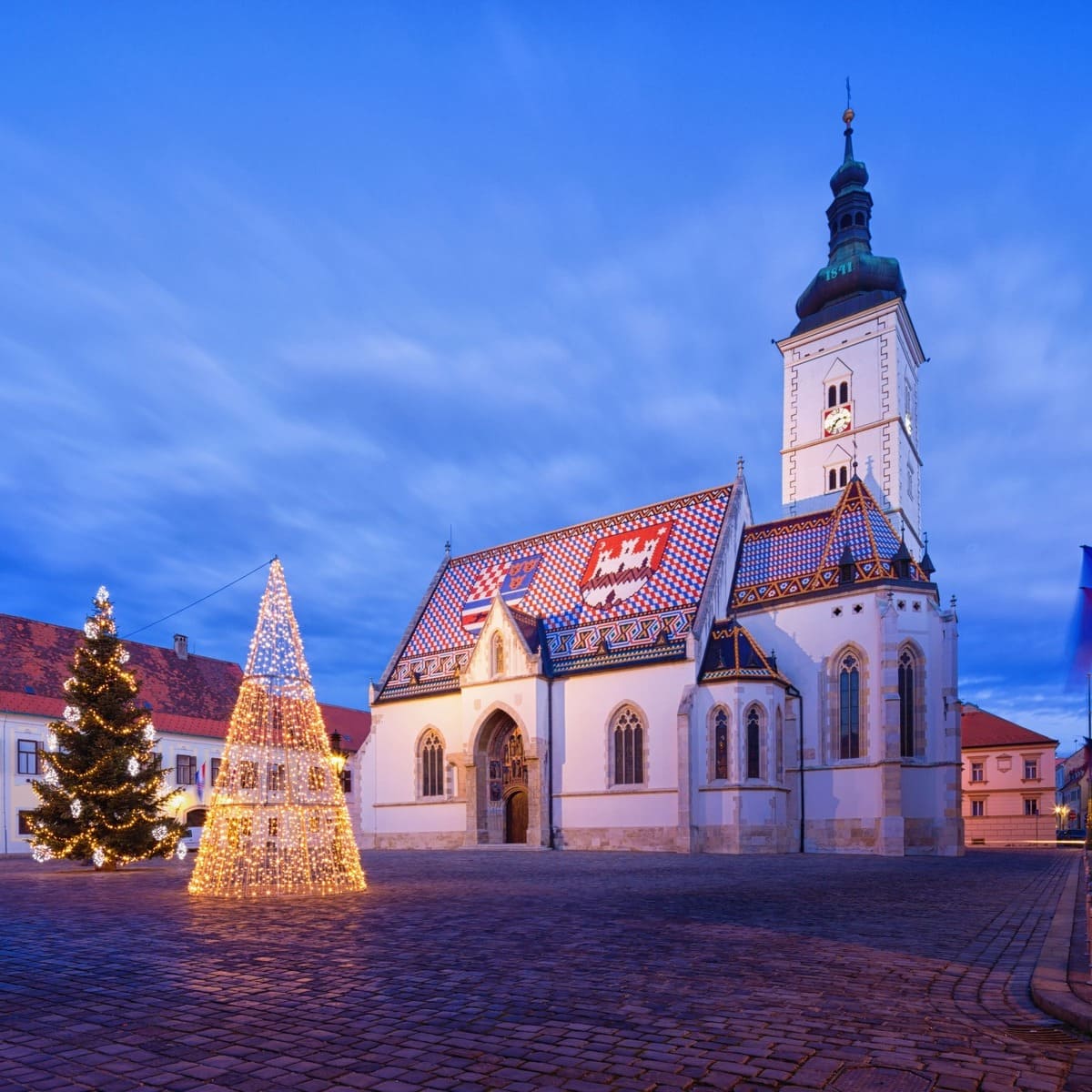
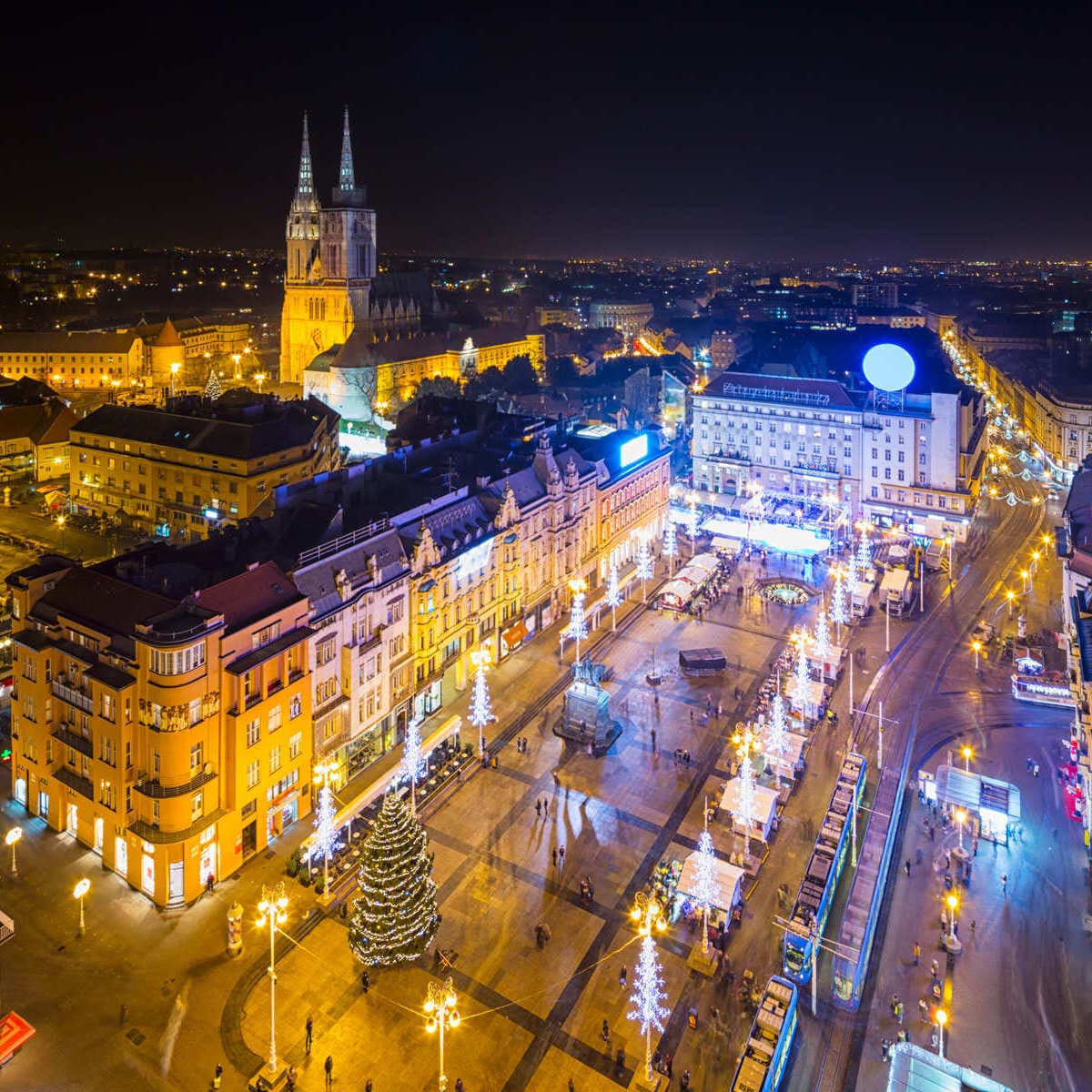
Though Croatia is globally renowned for its sun-drenched coastal cities like Dubrovnik and Split during the summer months, the nation’s capital undergoes a remarkable transformation in the winter. Zagreb offers a cozy city break where parks and town squares morph into festive wonderlands, and historic cobblestone lanes are draped in twinkling lights reminiscent of larger German celebrations, but on a more intimate scale.
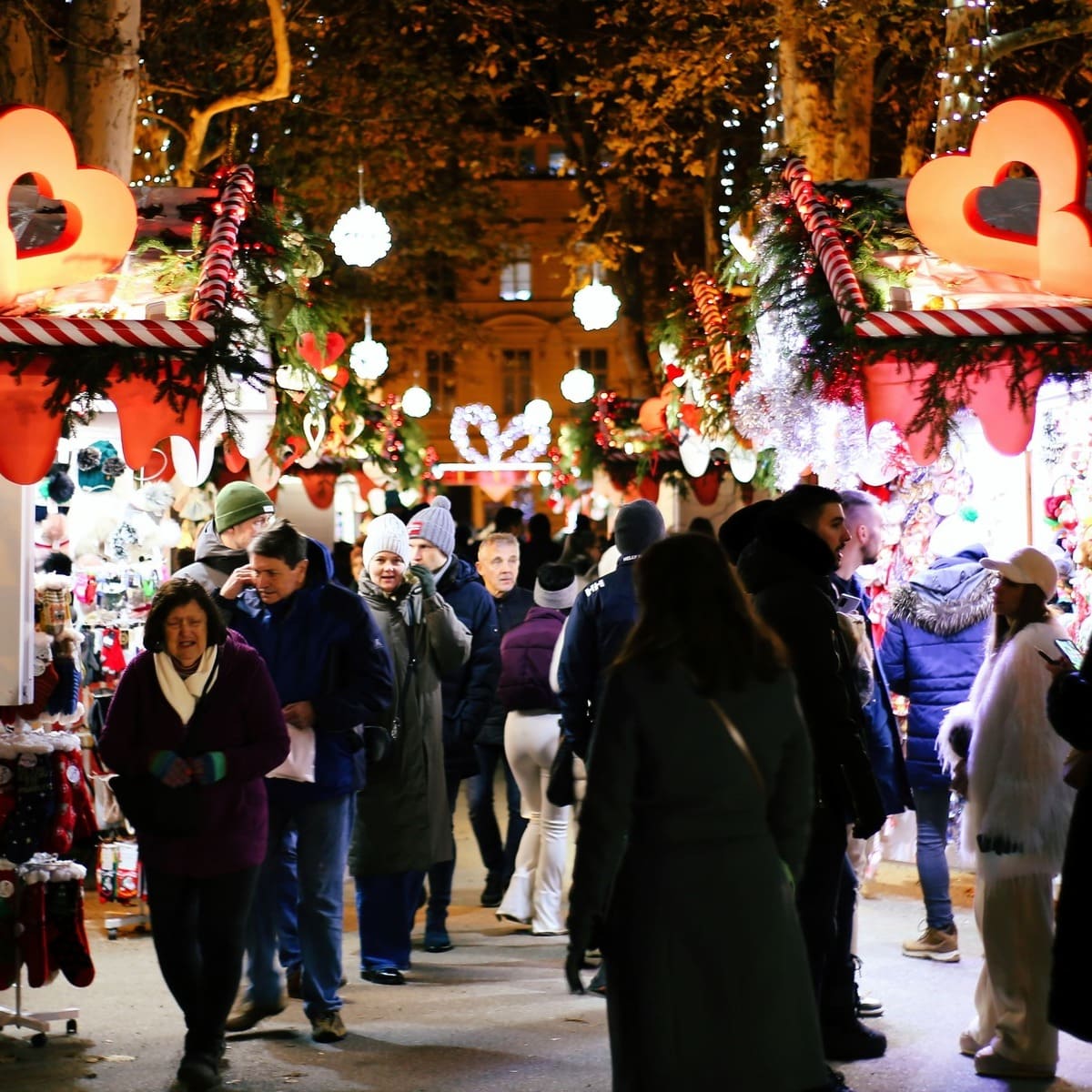
The Zagreb Advent festival is an acclaimed celebration that has previously earned top honors as the best European Christmas market. During the winter season, lush urban parks transform into fairytale villages, pedestrian zones light up with thousands of bulbs, and even historical World War II-era tunnels are repurposed into whimsical winter wonderlands. Visitors can enjoy a massive outdoor ice rink in King Tomislav Square, followed by traditional bite-sized fritule, which are fried dough balls dusted with powdered sugar. For those looking to combine a cultural city trip with outdoor recreation, central Zagreb sits just a short cable car ride away from Sljeme mountain, where winter sports enthusiasts can go skiing and sledding. While the destination has gained popularity among local and regional travelers from neighboring Slovenia, it still provides a refreshing alternative to the heavily touristed capitals of Central Europe.
Turckheim, France
France’s eastern region of Alsace is widely celebrated as the ultimate destination for holiday travel, drawing millions of visitors eager to witness its fairytale timbered architecture. However, travelers do not need to subject themselves to the immense crowds packing into popular hubs like Colmar to experience authentic Alsatian charm.
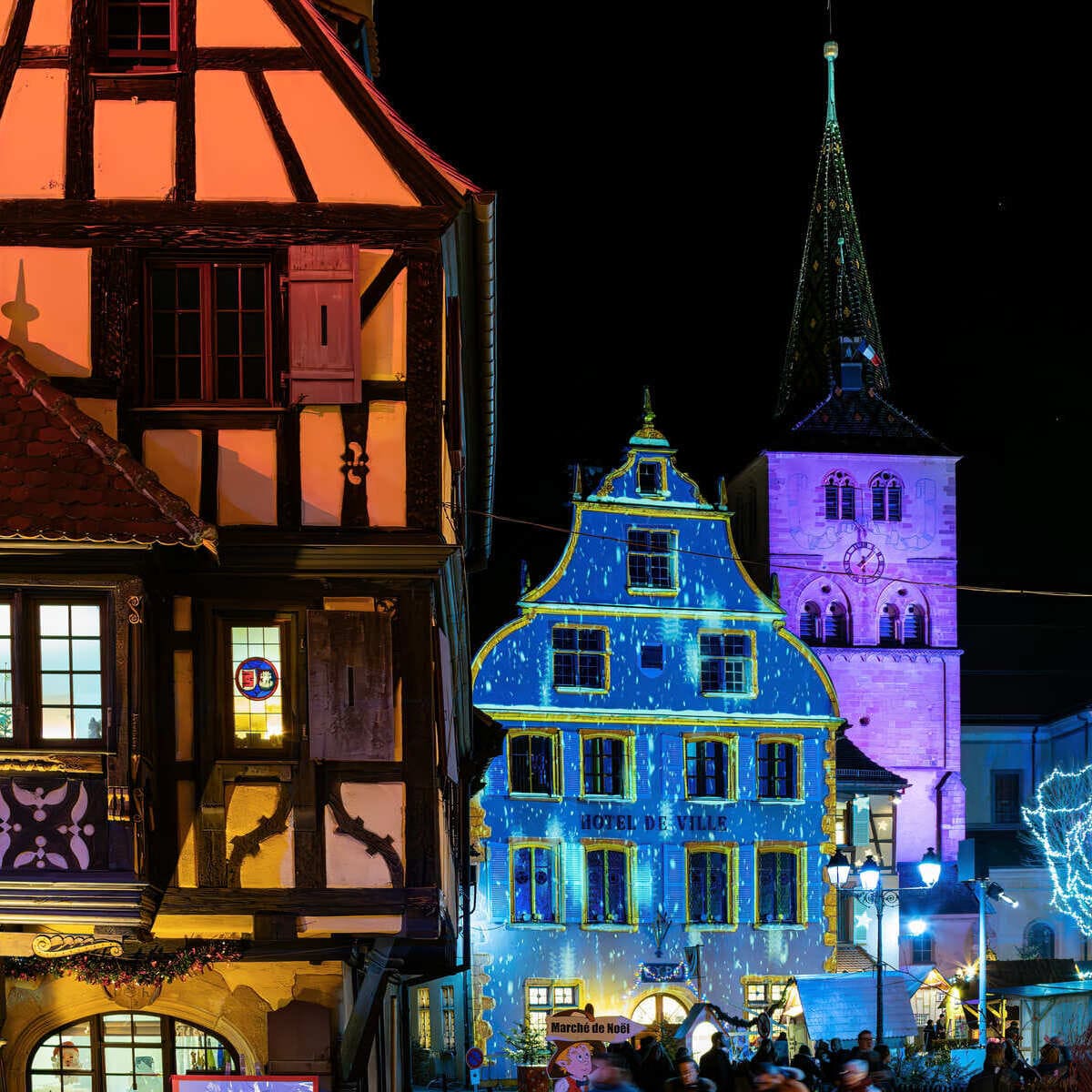
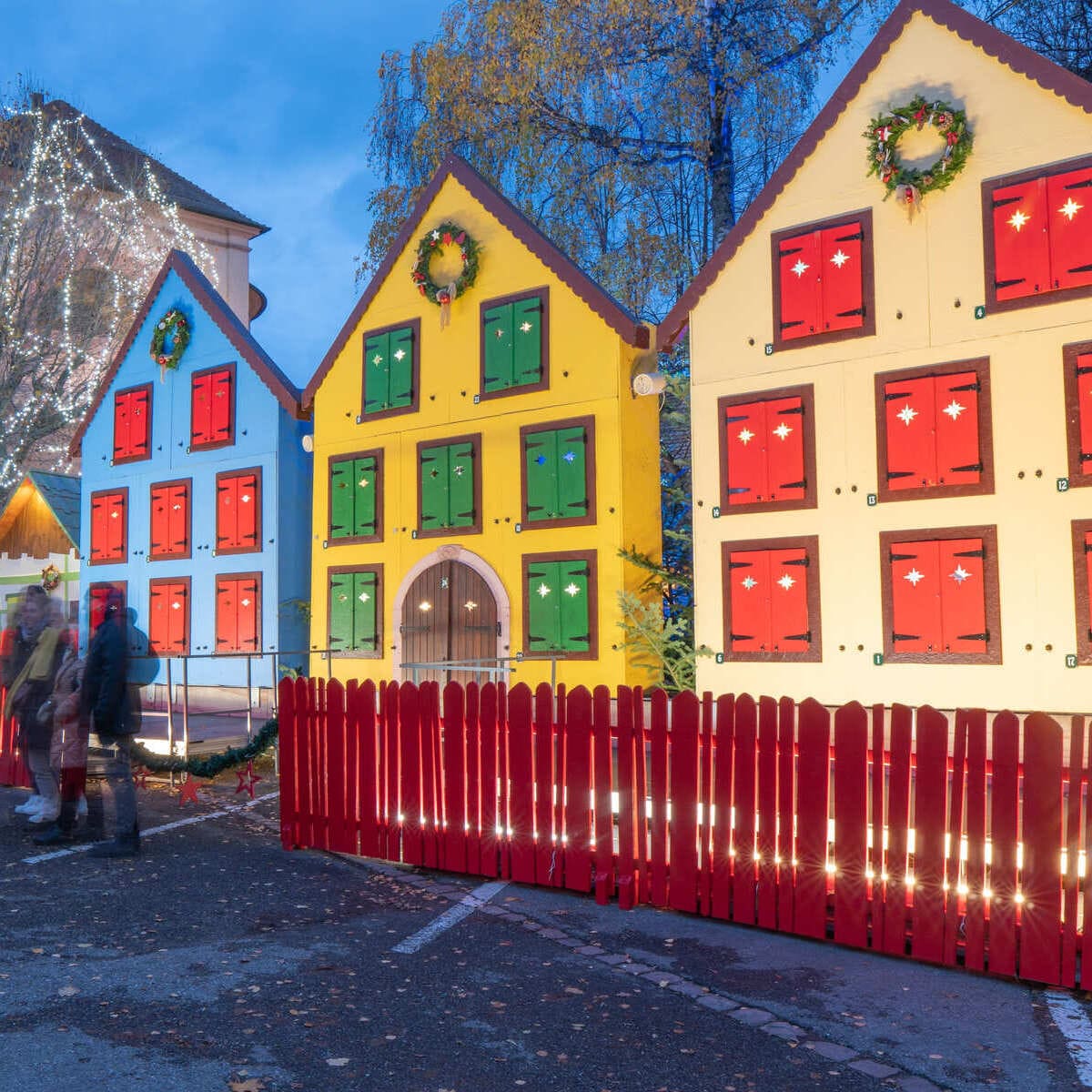
Located nearby, the town of Turckheim offers the same colorful facades, medieval timbered houses, and centuries-old traditions with a fraction of the foot traffic. Its local Marché des Lutins features a whimsical village of crooked wooden chalets selling handmade crafts and regional specialties directly in front of the 16th-century Town Hall. Visitors arriving late in December can also witness the town’s Giant Advent Festival, featuring a daily 5 p.m. ceremony where children carrying lanterns gather as a lamplighter unveils a newly opened window on a massive painted calendar. Furthermore, Turckheim maintains an unusual medieval tradition: every night at 9 p.m., a local watchman dressed in historical garb patrols the quiet streets equipped with a lantern, hunting horn, and halberd while singing traditional Alsatian songs.
Tallinn, Estonia
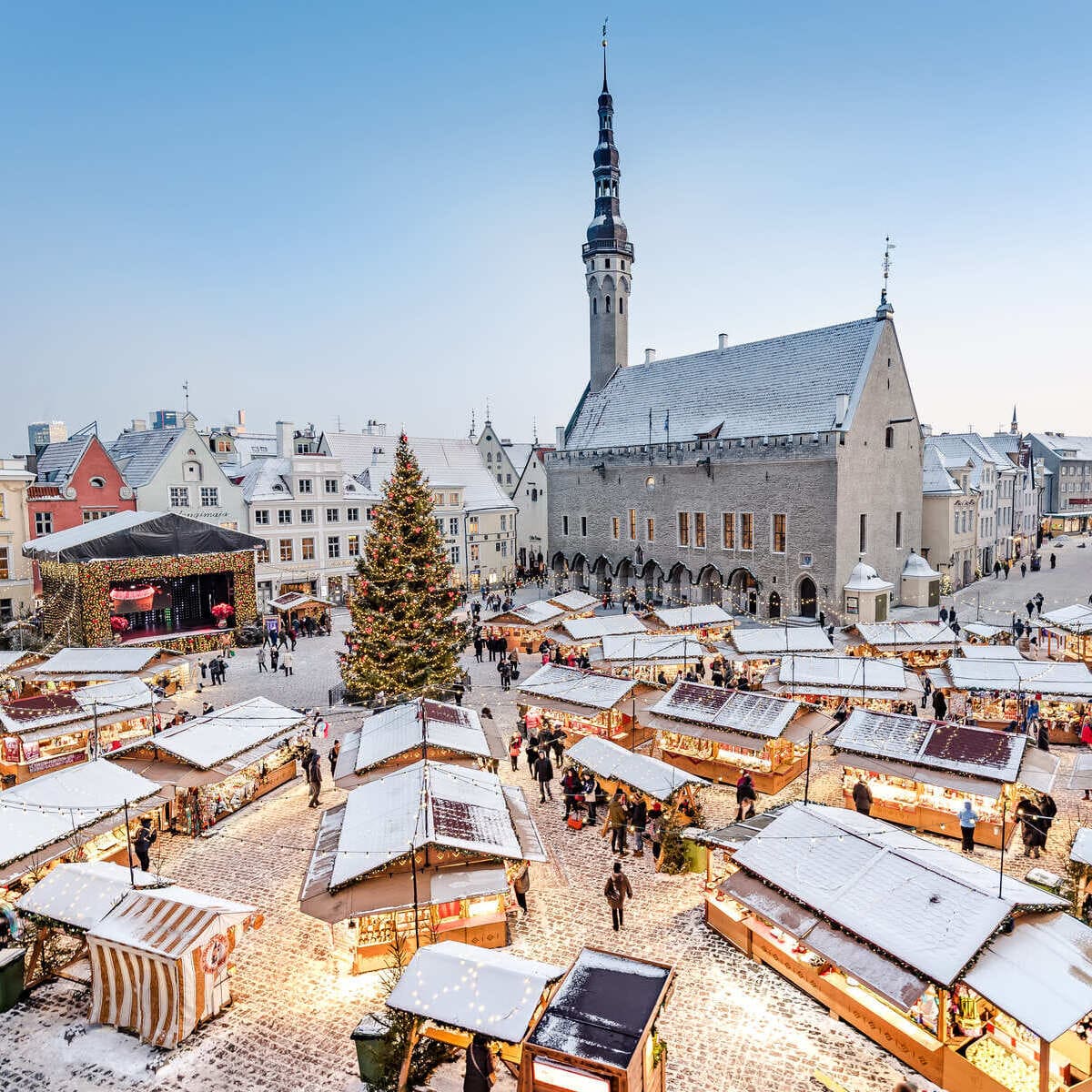
While the Germanic regions are widely recognized as the birthplace of modern Christmas market traditions, Europe’s frosty Baltic coast offers an equally compelling winter atmosphere. Estonia’s medieval capital, Tallinn, holds a significant place in holiday history, as historical accounts suggest the very first public Christmas tree was erected in its main town square back in 1441.
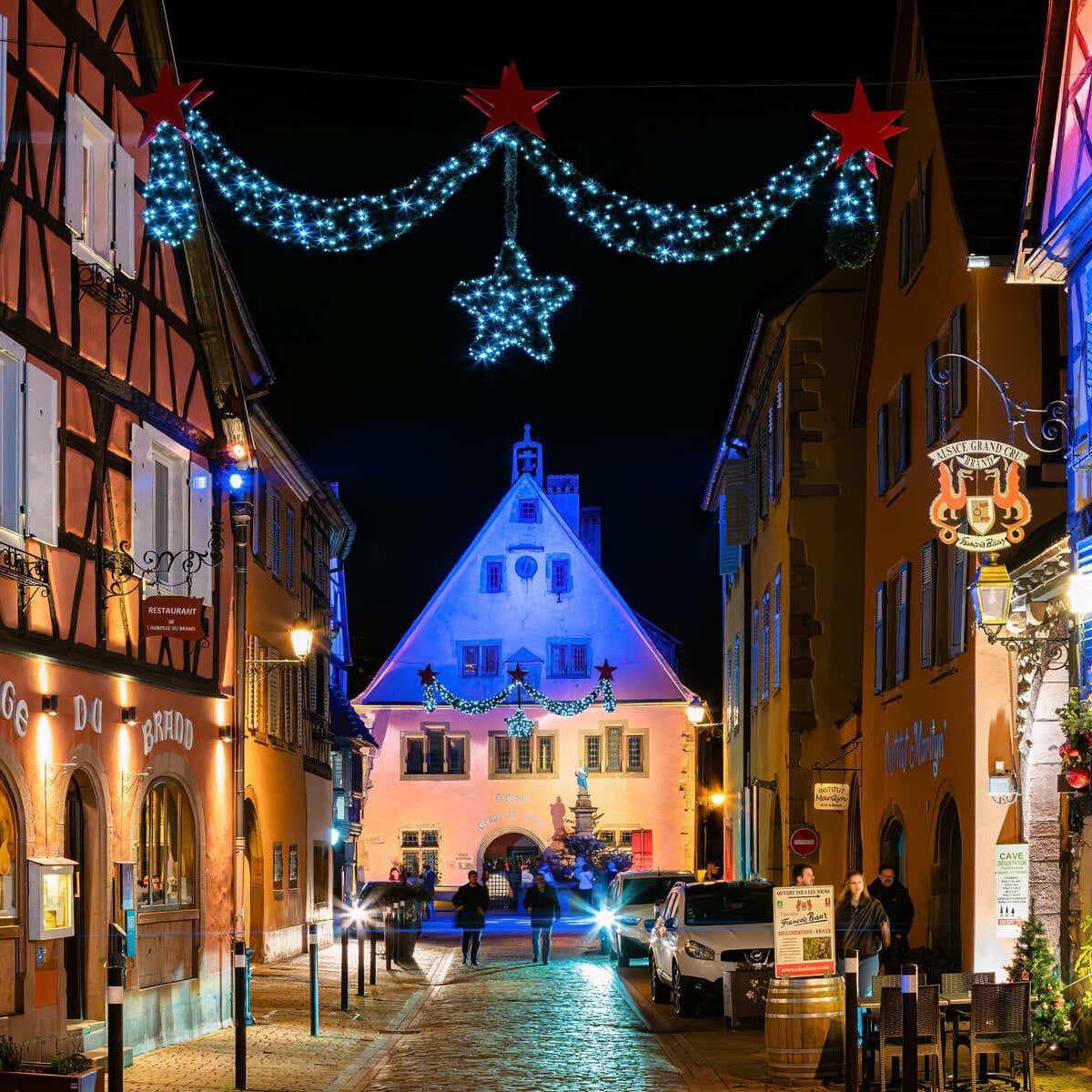
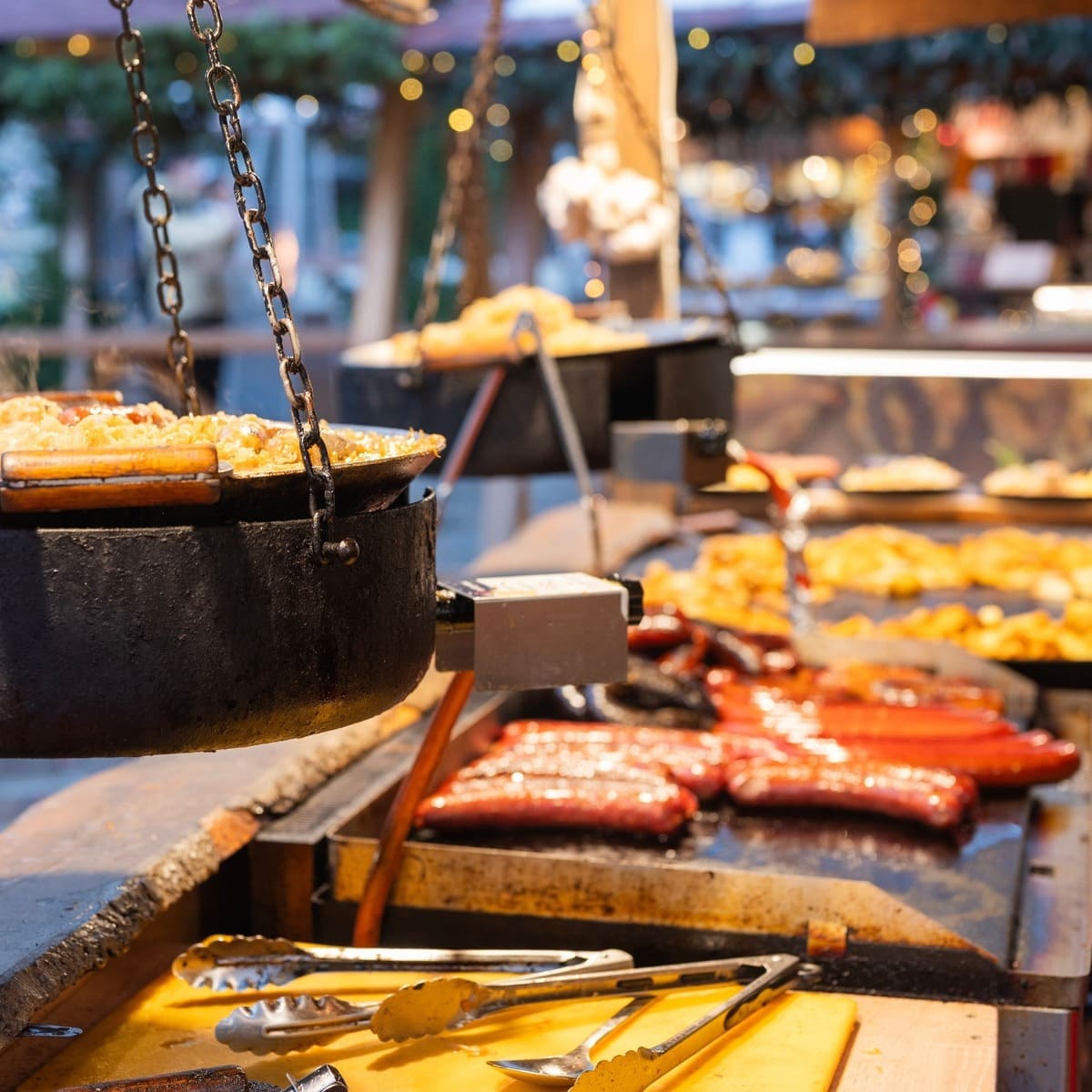
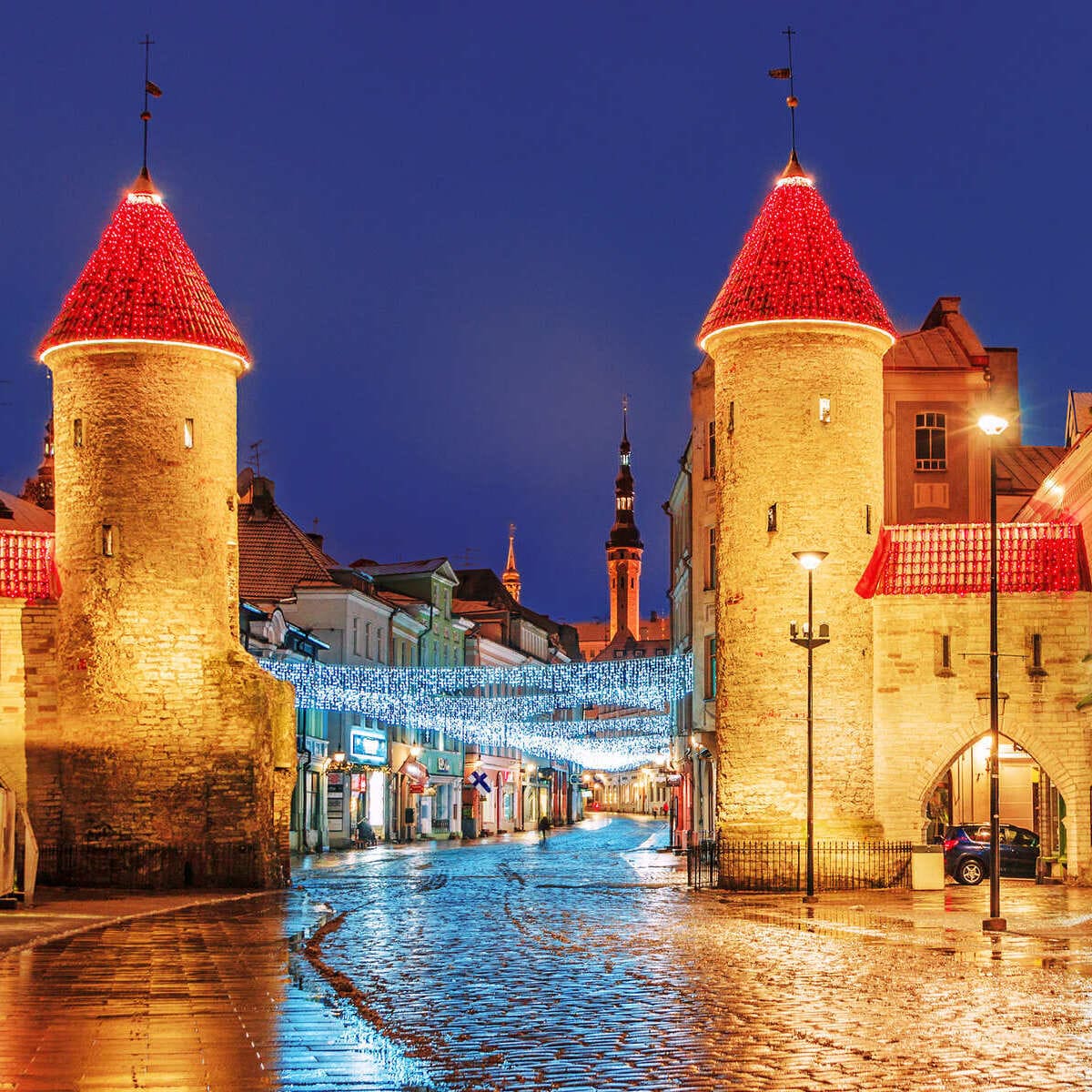
Each year, local residents gather in the historic Old Town square—surrounded by medieval architecture and one of Europe’s oldest town halls—to mark the official switching-on of the holiday lights. The resulting illumination blankets the wall-encircled, spire-dotted city in a classic fairy-tale glow. Visitors can explore wooden chalets offering handmade Estonian goods alongside glögi, the local spicier variation of mulled wine. Traditional winter culinary offerings include piparkoogid spiced gingerbread cookies, warm cinnamon pastries, and verivorst, a festive blood sausage typically served alongside lingonberry jam and sauerkraut.
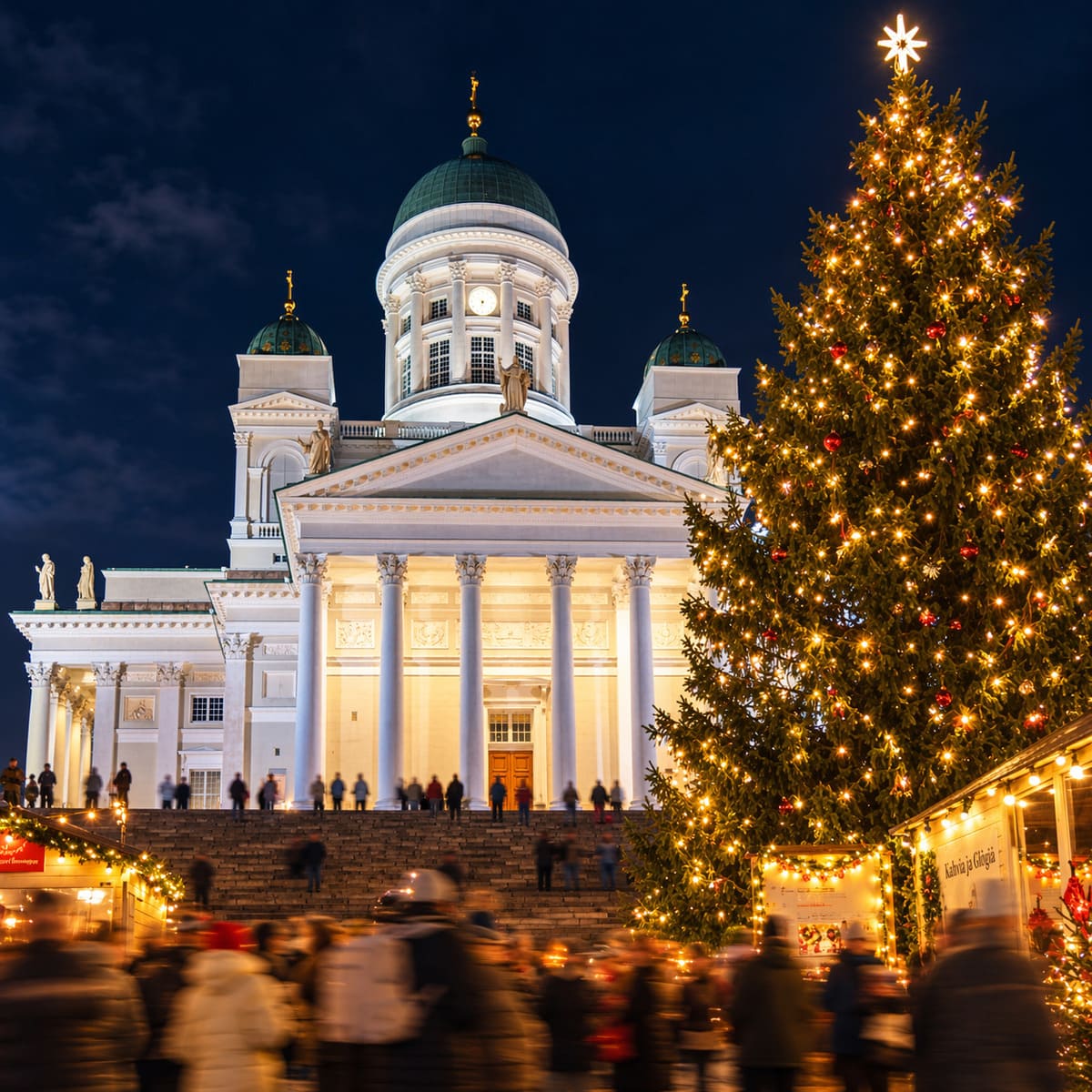
For travelers wishing to expand their Baltic itinerary, Tallinn sits just a short ferry crossing away from Helsinki across the gulf. Finland’s coastal capital offers its own distinct Nordic winter markets centered around Senate Square beneath the iconic white cathedral, featuring warm salmon soup, local pastries, and access to Finland’s renowned sauna culture.
Brixen, Italy
Situated in Northern Italy at the gateway to the breathtaking Dolomites, Brixen—also known as Bressanone—delivers a distinctly Alpine winter experience. Unlike the Mediterranean aesthetic found further south, this mountainous town features arcaded medieval streets, Baroque architecture, and a predominantly Germanic atmosphere where the German language is frequently spoken. Up until 1919, Brixen was part of Austrian Tyrol, and the community maintains these deep-rooted Tyrolean customs through its traditional winter celebrations.
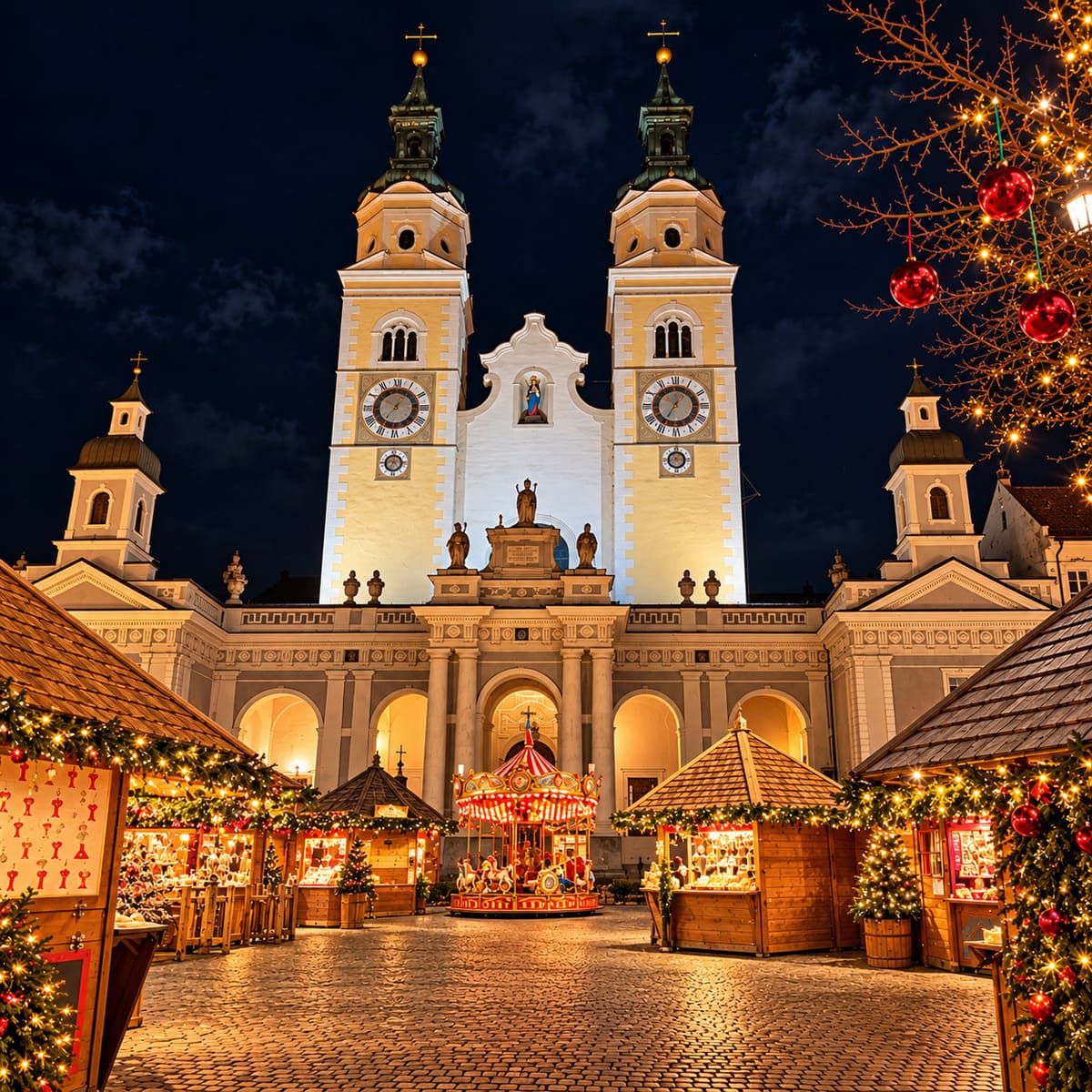
The heart of the town’s festivities takes place beneath the shadows of a twin-towered Baroque cathedral, where wooden chalets serve regional sausages and hot beverages. The celebrations extend toward the Hofburg Palace, a former residence of prince-bishops that hosts an elaborate light festival featuring vibrant projections cast across its inner courtyard walls. Travelers seeking adventure beyond the market stalls can ride a cable car up to the Plose mountain for panoramic views of the rugged Dolomite peaks, sample traditional polenta at a mountaintop restaurant, or ride the Plosebob alpine roller coaster down the mountainside. Additionally, visitors often note that Brixen provides a remarkably relaxed environment compared to major urban markets, maintaining a calm atmosphere without heavy security barriers or overwhelming crowds.
Seefeld, Austria
Located a short drive through the Tyrolean Alps, the small Austrian village of Seefeld provides travelers with an immersion into some of the region’s most unique and ancient folklore. As part of the historical heartland associated with Krampus—the horned folkloric figure traditionally accompanying Saint Nicholas—Tyrol hosts elaborate winter parades featuring hundreds of locals dressed in intricate, fur-covered costumes and terrifying wooden masks.
Seefeld hosts one of the largest regional Krampus parades in early December, drawing participants from across the Alpine territory. While the event is steeped in centuries-old custom, visitors are generally advised to observe the procession from a safe distance to fully appreciate the dramatic spectacle. Beyond the folklore parades, Seefeld’s traditional Christmas market transforms the quiet Alpine village center into a serene winter landscape, featuring wooden chalets offering Tyrolean food specialties, warm punch, and gentle holiday lighting along the pedestrian streets.
| Source | : | Open Passport |
| Author | : | Asro |
| Editor | : | Open Passport Editorial Team |
