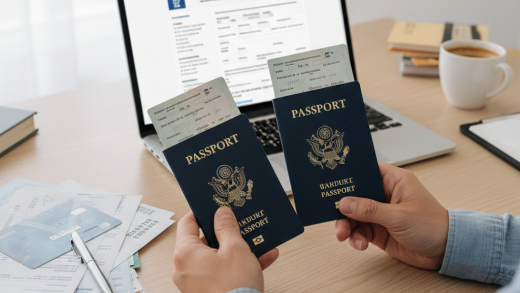
Applying for a visa can be a complex bureaucratic process, and one of the most critical components often overlooked by travelers is mandatory travel insurance. For many destinations, particularly within the Schengen Area in Europe, proof of adequate medical coverage is not just a recommendation but a strict requirement for entry. Without a policy that meets specific criteria, your visa application faces an immediate risk of rejection. This guide details exactly how to select and present travel insurance to satisfy consular officers and ensure your journey begins smoothly.
Understanding Why Insurance is Mandatory
Embassies require travel insurance primarily to protect their public health systems and taxpayers from the financial burden of foreign visitors. If a tourist falls ill or suffers an accident, the host country wants assurance that the medical costs will be covered privately. Furthermore, insurance ensures that in severe cases, the logistical and financial costs of medical repatriation—returning the traveler to their home country—are handled by the insurance provider rather than the state.
Step 1: Research Specific Visa Requirements
Before purchasing any policy, you must verify the specific insurance mandates of the country you intend to visit. Requirements vary significantly by region. For example, a Schengen Visa strictly requires a minimum coverage of €30,000 for medical emergencies and repatriation. Conversely, countries like Cuba or Russia may have different specific lists of approved insurers. Visit the official embassy or consulate website to confirm the minimum coverage amount, deductible limits, and accepted insurance providers.
Step 2: Verify Coverage for Medical Evacuation and Repatriation
A standard health insurance policy from your home country is rarely sufficient for visa applications because it often lacks coverage for international medical evacuation and repatriation of remains. Consular officers look specifically for these clauses. Your policy must explicitly state that it covers the cost of transporting you back to your home country in the event of a severe medical emergency or death. Ensure this is highlighted in your policy declaration, as it is a non-negotiable requirement for most visa types.
Step 3: Ensure Coverage for the Entire Duration of Stay
One common mistake applicants make is buying insurance that covers only the days they plan to be active tourists, rather than their entire time in the Schengen zone or host country. Your insurance policy must be valid for the entire period of your intended stay, from the moment you enter until the moment you exit. Some embassies even recommend adding a ‘grace period’ of 15 extra days to the policy to account for unforeseen delays, ensuring you remain compliant even if your departure is postponed.
Step 4: Check for Deductibles and Exclusions
Read the fine print regarding deductibles (the amount you pay out-of-pocket). Some visas require policies with zero deductibles or very low caps. If your policy has a high deductible, the visa officer may deem it insufficient because it implies you might not be able to afford immediate care. Additionally, ensure the policy does not exclude activities you plan to undertake, such as skiing or hiking, as this could void your coverage and, by extension, the validity of your insurance for the visa.
Step 5: Obtain the Visa Letter or Certificate of Insurance
Once you have purchased the policy, you cannot simply submit a receipt or an email confirmation. You must request a formal Visa Letter or Certificate of Insurance from your provider. This document is a one-page summary designed for consular officials. It typically includes your full name, policy number, dates of coverage, and a clear statement confirming that the policy meets the specific visa requirements (e.g., ‘This policy complies with Schengen regulations’). Ensure this document is signed and stamped if required.
Conclusion
Securing the right travel insurance is a fundamental step in the visa application process that requires attention to detail. By ensuring your policy meets the minimum financial coverage, includes repatriation, covers your entire itinerary, and is presented via a formal certificate, you significantly increase your chances of approval. Treat this requirement not just as a formality, but as a vital safety net that protects both your health and your financial investment in your travels.