Traveling to international destinations is an exciting endeavor, but before you can explore the Eiffel Tower or the streets of Tokyo, you must navigate the often complex world of tourist visas. A tourist visa is an official document issued by a country’s government that allows you to enter and stay for a specific period for leisure purposes. The requirements can vary drastically depending on your nationality and the destination. This guide outlines the general prerequisites and specific steps for securing tourist visas for some of the world’s most sought-after locations.
Common General Requirements for Tourist Visas
While every country has its own specific regulations, there is a standard set of documents that almost every consulate or embassy will request. Gathering these early can save you significant time. Generally, you will need:
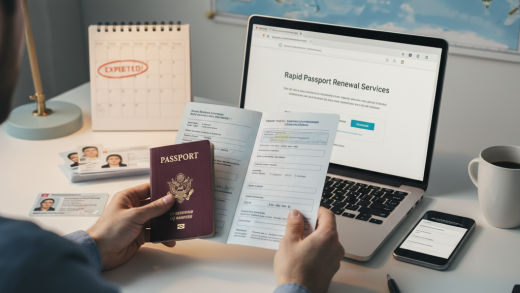
- Valid Passport: Your passport must be valid for at least six months beyond your intended date of return and have at least two blank pages.
- Passport-Sized Photographs: These must meet specific size and background color requirements (usually white), taken within the last six months.
- Proof of Financial Means: Bank statements for the last 3 to 6 months showing sufficient funds to cover your expenses during the trip.
- Travel Itinerary: Flight reservations (return tickets) and hotel accommodation bookings. Note: It is often advised not to buy confirmed tickets until the visa is approved, but dummy tickets or hold reservations are usually accepted.
- Proof of Employment or Student Status: A No Objection Certificate (NOC) from your employer or school/university.
Step 1: Applying for the Schengen Visa (Europe)
The Schengen visa allows you to travel freely across 27 European countries. It is one of the most popular yet rigorous visa processes.
Procedure:
- Identify the main destination (the country where you will stay the longest) and apply through their embassy or designated visa application center (like VFS Global or TLScontact).
- Complete the Schengen application form online or physically.
- Purchase Travel Health Insurance with a minimum coverage of €30,000 for medical emergencies.
- Book an appointment for biometric data collection (fingerprints and photo).
- Submit your application packet in person. Processing usually takes 15 calendar days.
Step 2: Securing a US Tourist Visa (B2)
The United States requires a B2 visa for tourism, which involves a face-to-face interview.
Procedure:
- Complete the DS-160 Online Nonimmigrant Visa Application. Be extremely accurate, as errors can lead to rejection.
- Pay the visa application fee and schedule your appointment. You will likely need two appointments: one for biometrics (Offsite Facilitation Center) and one for the consular interview.
- Attend the interview at the US Embassy or Consulate. The consular officer will determine your eligibility based on your ties to your home country and intent to return.
- If approved, your passport will be collected for stamping and returned via courier.
Step 3: Obtaining Visas for Japan and Southeast Asia
Asian destinations often have streamlined processes, with many offering E-Visas or Visa on Arrival (VoA).
Japan: Depending on your nationality, you may be visa-exempt. If not, you must apply through an accredited travel agency or embassy. Key requirements include a detailed daily schedule of your trip.
Thailand and Vietnam: These countries are popular for their E-Visa systems. You can upload your documents to an official government portal, pay the fee online, and receive a PDF visa via email within 3-5 business days. Ensure your entry and exit points match what is declared on the E-Visa.
Step 4: Submission and Interview Tips
Regardless of the destination, the submission phase is critical. For physical applications, organize your documents in the exact order requested by the checklist. Do not staple documents unless instructed. If an interview is required, answer questions confidently and truthfully. Common questions revolve around your travel purpose, who is funding the trip, and your employment details in your home country. Inconsistencies between your verbal answers and your application form are a primary cause for refusal.
Conclusion
Securing a tourist visa requires patience and attention to detail. Always check the official government website of your destination for the most up-to-date information, as visa policies can change with little notice. By preparing your financial documents, ensuring your passport validity, and following the specific steps for your destination, you can significantly increase your chances of a successful application and focus on the joy of your upcoming travels.