
The New Luxury: Why Travelers Are Flocking to These Car-Free Tropical Havens
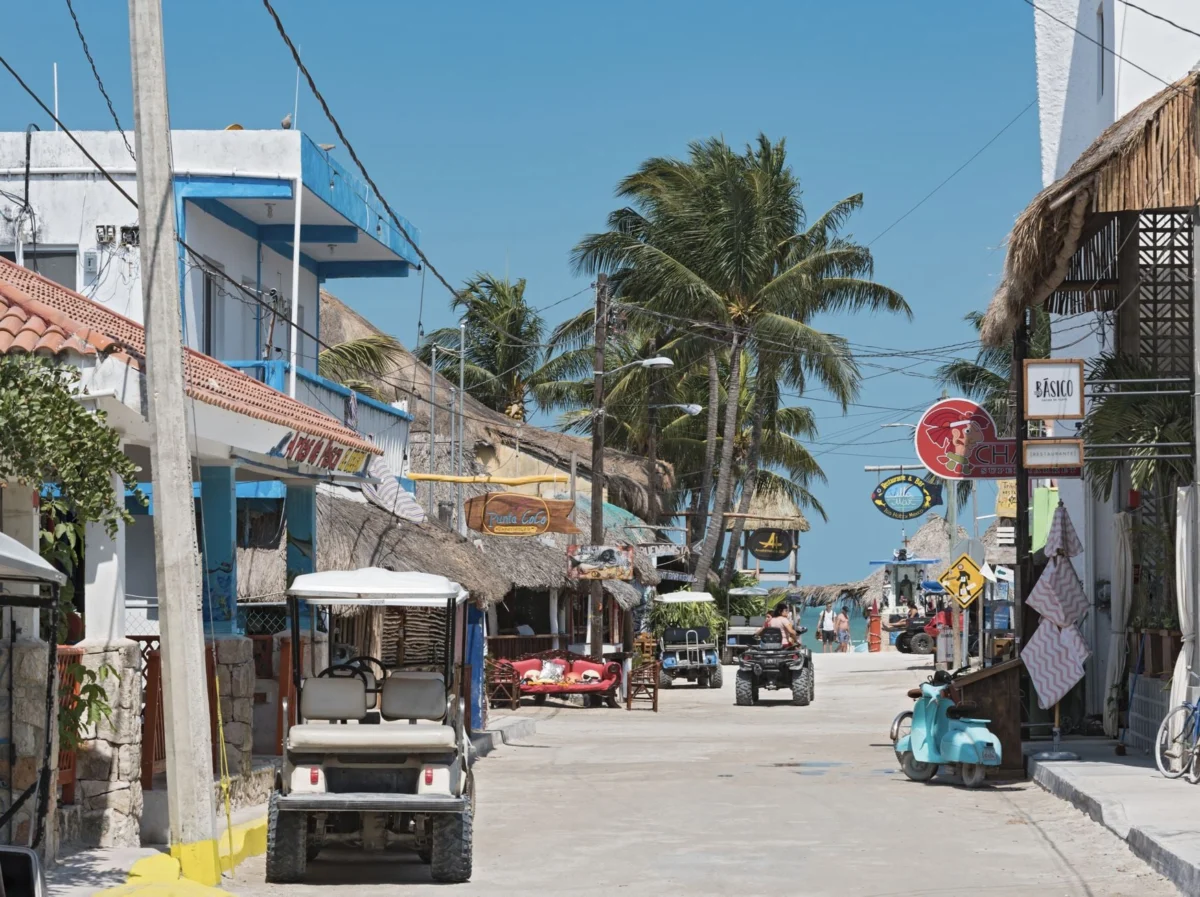
For many, the promise of a vacation is an escape from the relentless pace of daily life. Yet, in reality, the modern travel experience often mirrors the very stressors people hope to leave behind. Travelers frequently find themselves trading their morning commute for airport queues, only to arrive at a destination where they spend their precious downtime navigating bumper-to-bumper traffic, haggling with expensive rideshare services, hunting for elusive beach parking, or attempting to tune out the persistent hum of engines and blaring horns from their hotel balconies. In an increasingly noisy world, the cacophony of internal combustion is a persistent intruder that threatens to shatter the tranquility of a tropical getaway.
As the demand for authentic, restorative travel experiences grows, a new definition of luxury has emerged. It is not found in five-star suites with marble floors or high-end concierge services, but in the profound, sensory-resetting experience of stepping off a ferry and realizing that the island before you is entirely devoid of private automobiles. By banning tourist vehicles, select destinations are preserving their natural ecosystems, protecting local wildlife, and safeguarding the authentic cultural rhythms that define island life. On these rare shores, the roar of traffic is replaced by the rhythmic sound of the tide, and the frantic pace of city life gives way to the gentle turning of bicycle wheels and the quiet rustle of footfalls on sand.
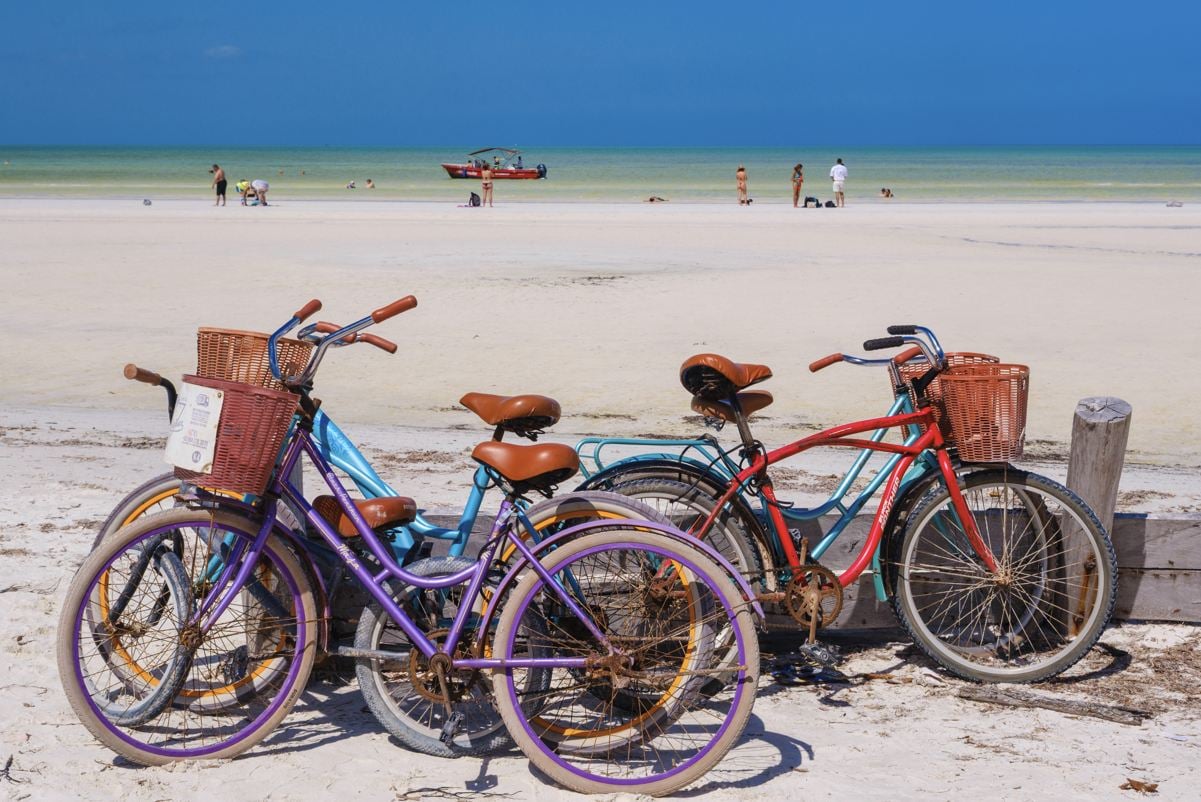
These car-free islands are fundamentally changing the traveler’s experience, compelling visitors to decelerate and fully inhabit the "island time" they have traveled so far to reach. By eliminating the necessity for heavy transport, these locations foster a deeper connection between the visitor and the environment. For those looking to trade the gridlock for serenity this winter, these three destinations offer a masterclass in car-free living.
Caye Caulker, Belize: The Art of Going Slow
If there is a single destination on the planet that has elevated the concept of doing nothing to an art form, it is Caye Caulker. This diminutive Belizean island, located just a short ferry ride from the bustling hubs of the mainland, has adopted a motto that serves as both a greeting and a command: "Go Slow." It is a philosophy the local community takes seriously, and the island’s infrastructure reflects this commitment to peace.
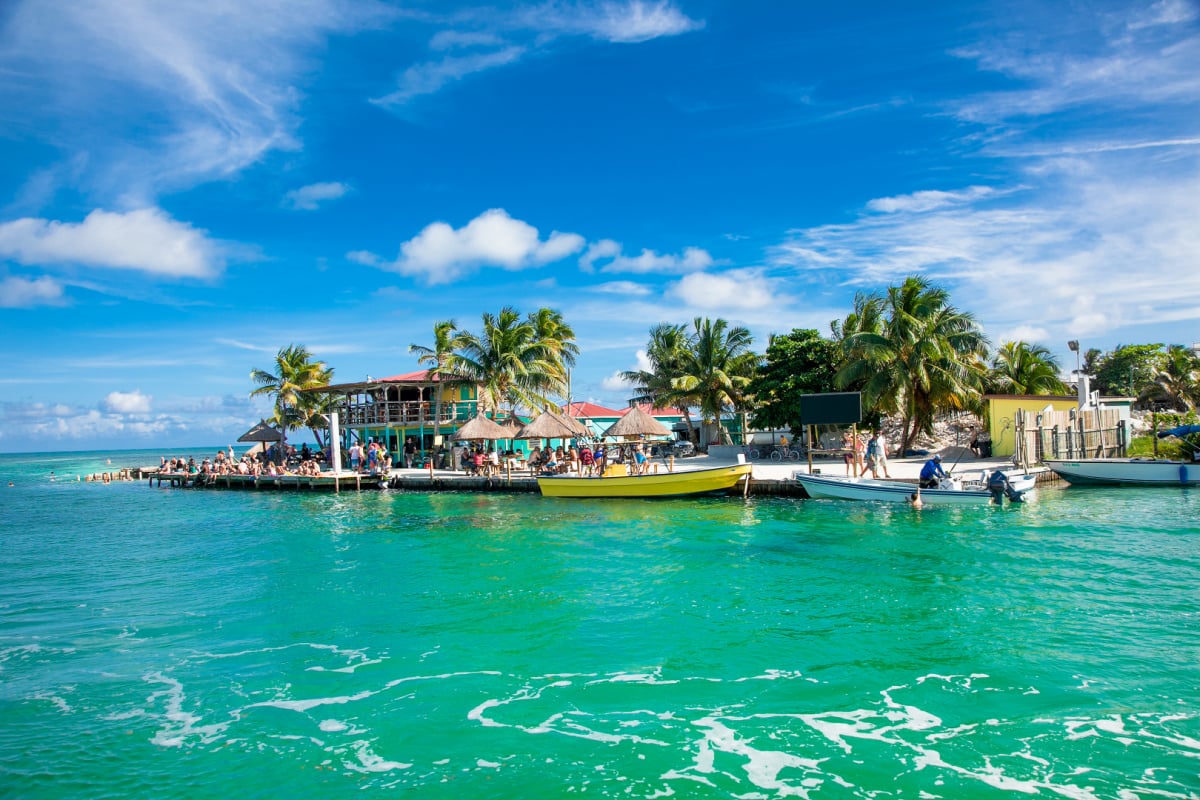
Private automobiles are strictly prohibited on Caye Caulker. Aside from a handful of essential service vehicles, such as those required for waste management, the streets are entirely free of the traditional cars and trucks that clog the world’s major tourist corridors. Instead, the island functions through a symbiotic relationship between a vast fleet of colorful beach cruiser bicycles and a network of modified golf carts that serve as the local taxi service.
The island’s geography makes it a premier destination for those seeking both relaxation and adventure. Nestled adjacent to the second-largest barrier reef on the planet, Caye Caulker serves as a gateway to an underwater world of unparalleled beauty. Visitors can dedicate their mornings to snorkeling alongside docile nurse sharks and graceful stingrays in the crystalline waters, then spend their afternoons indulging in the local culinary scene, which features fresh jerk chicken seasoned with aromatic spices and grilled over open fires right on the beach. By opting for this car-free Caribbean experience, travelers often find they can enjoy a more authentic, intimate atmosphere for a fraction of the cost associated with the more commercialized resort destinations in the Bahamas or the U.S. Virgin Islands.
Isla Holbox, Mexico: A Return to Simplicity
In the Yucatan Peninsula, the overwhelming majority of international travelers follow a well-worn path toward the massive, high-density mega-resorts of Cancun and Playa del Carmen. However, a growing segment of travel enthusiasts—those seeking a more deliberate and grounded experience—are bypassing the familiar corridors of the Riviera Maya. Instead, they travel two hours north to the quiet port of Chiquila, where they board a twenty-minute ferry to the shores of Isla Holbox.
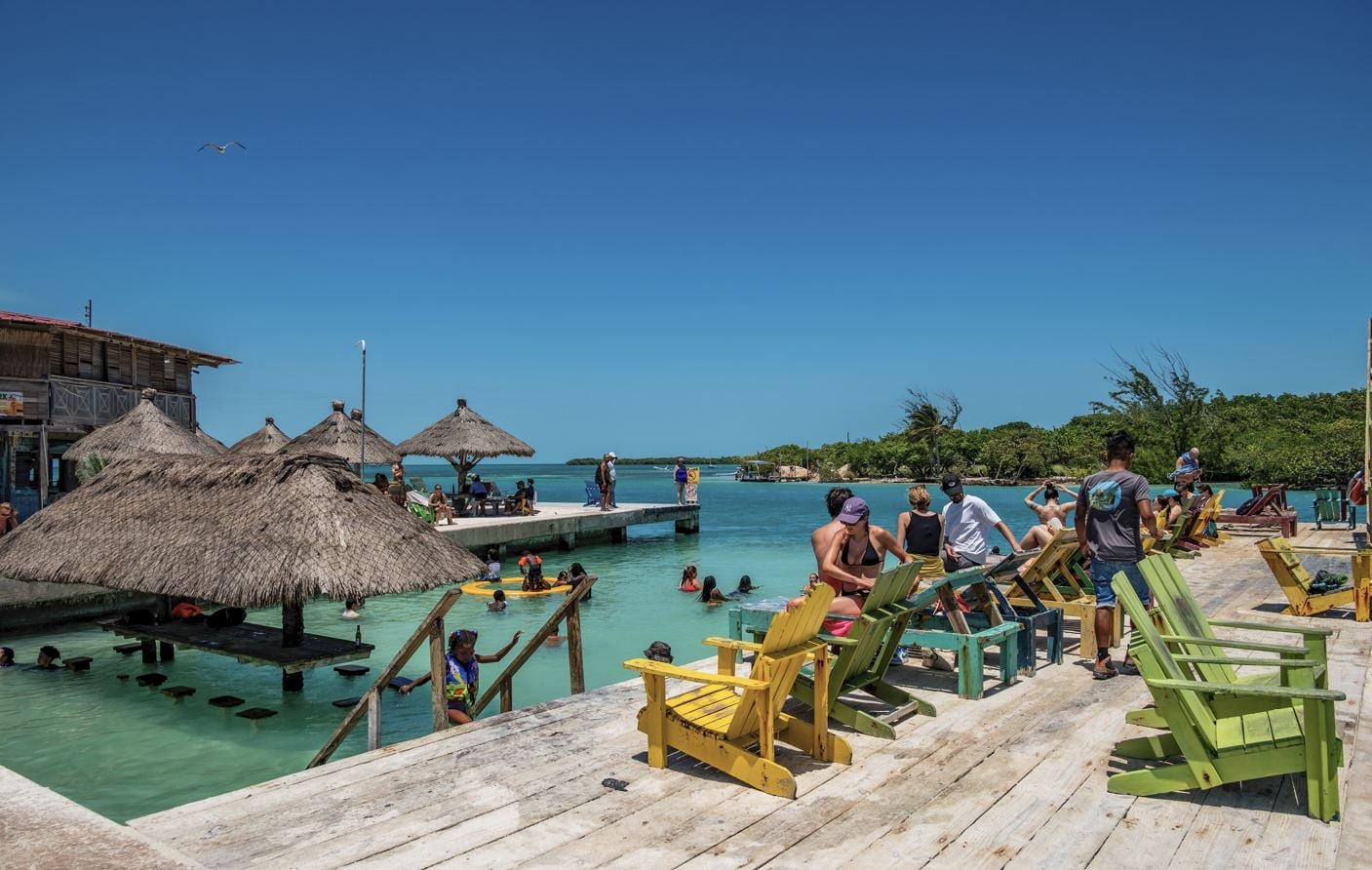
Isla Holbox is situated within the protected boundaries of the Yum Balam nature reserve. Because of this environmental designation, the presence of traditional motor vehicles is strictly forbidden by local ordinance. The result is a landscape that feels strikingly similar to the Mexico of three decades ago. Roads here are not paved with asphalt; they are composed of soft, white sand that shifts with the seasons. Navigation is entirely pedestrian-focused, with visitors either walking, renting fat-tire bicycles to traverse the island’s sandy lanes, or hailing one of the rugged golf cart taxis that manage the island’s transport needs.

The true appeal of Isla Holbox lies in its visual and auditory stillness. The island is renowned for its incredibly shallow, calm turquoise waters that extend for hundreds of yards, providing a safe and serene environment for wading or swimming. By removing the aggressive density and motorized chaos of the nearby resort towns, Isla Holbox has cemented its reputation as the ultimate destination for those wishing to disconnect from the frantic energy of mass tourism and reconnect with the natural world.
Little Corn Island, Nicaragua: The Ultimate Disconnect
For the traveler who is truly committed to falling off the map and disappearing for a week or more, Little Corn Island, Nicaragua, represents the gold standard. While other destinations on this list have successfully integrated golf carts into their transit systems, Little Corn Island takes the concept of a car-free environment to its absolute limit: there are no motorized vehicles for tourists on the island at all.

The experience of reaching Little Corn Island is a testament to the effort required to find true solitude. The journey begins with a flight to the Nicaraguan mainland, followed by a smaller "puddle jumper" aircraft to Big Corn Island, and concludes with an adventurous, open-air boat ride across the Caribbean Sea. It is a journey that filters out the casual tourist, leaving behind only those who are genuinely seeking a remote and quiet retreat.
Once on the island, the infrastructure is entirely human-scaled. Visitors navigate via a charming network of concrete footpaths that wind through the central village and rustic dirt trails that connect the island’s various white-sand beaches. The silence here is absolute; one can walk from the northern tip of the island to the southern end in under an hour without hearing a single engine. This is a rare, untouched corner of the Caribbean that offers a level of seclusion seldom found in the modern era. It is a place where the primary concern is the timing of the next tide, and where the lack of modern transport is not a hindrance, but the very feature that preserves the island’s serene, timeless character.
| Source | : | Open Passport |
| Author | : | Reynand Wu |
| Editor | : | Open Passport Editorial Team |
