
The Art of the Seamless Escape: Why Proximity is the New Standard for Winter Travel
You have finally secured that elusive window of time for a winter getaway. You have navigated the intricacies of flight scheduling, survived the claustrophobic confines of a middle seat, and successfully bypassed the often-frustrating gauntlet of customs and immigration. The goal is simple: to trade the biting cold for the warm embrace of a tropical sun. Yet, for millions of travelers, the dream hits a sudden, jarring reality before they even catch a glimpse of the ocean. Instead of sinking into a lounge chair with a cold drink in hand, vacationers are frequently met with the exhausting prospect of an hour-long, bumper-to-bumper slog through local traffic just to reach the sanctuary of their resort lobby.
Travel friction has quietly become the ultimate vacation killer. It is a phenomenon that disproportionately impacts the first day of a trip, turning what should be a seamless transition into paradise into a test of patience and endurance. When the energy required to reach a destination outweighs the immediate reward, the psychological "reset" that a vacation is meant to provide is significantly delayed. As winter travel demand surges, the importance of minimizing transit time has moved from a secondary consideration to a primary component of a successful travel strategy.
The insider secret to bypassing this common frustration lies in a refined, two-step approach that prioritizes efficiency from the moment of departure. The first step involves abandoning the reliance on shared, multi-stop shuttle buses, which can add hours to a transfer time as they make circuitous loops through various hotel properties. Instead, savvy travelers are increasingly opting for pre-booked private airport transfers. This small investment ensures that a vehicle is waiting upon arrival, providing a direct, non-stop route to the resort gates. The second, and arguably more critical, component is geography: selecting a resort located within twenty minutes of the airport runway. By shrinking the transit window, travelers can ensure that the transition from the sterile environment of an airport to the relaxation of a beach resort is measured in minutes rather than hours.
To illustrate this, we have examined three highly-rated all-inclusive properties that excel in both their luxury offerings and their strategic proximity to major travel hubs. These resorts demonstrate that it is entirely possible to maintain high-end standards while eliminating the fatigue associated with long-distance transfers.
AVA Resort Cancun: Redefining Efficiency in the Hotel Zone
Cancun remains one of the world’s most popular winter destinations, but its geography presents a logistical challenge. The iconic "Hotel Zone," shaped like the numeral seven, is serviced by a single primary artery that can become a bottleneck during peak season. Depending on a property’s specific location along this strip, travelers can find themselves languishing in traffic for an hour or more after exiting the airport.
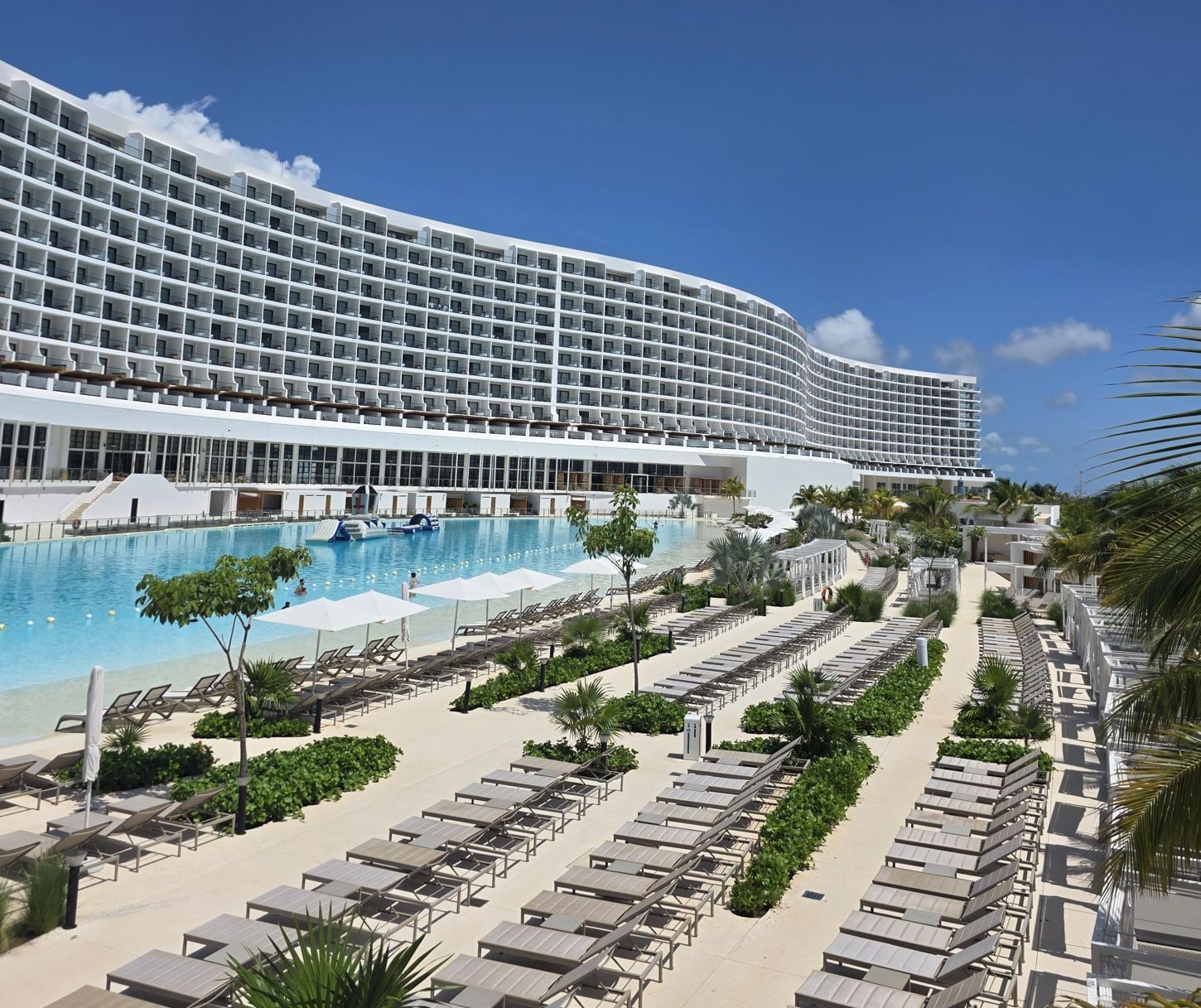
The recently opened AVA Resort Cancun has effectively bypassed this notorious bottleneck. Situated at the very southern entrance of the Hotel Zone, the resort is perfectly positioned to offer a direct, expedited arrival. With a private transfer, guests can reach the property in as little as fifteen to twenty minutes from Cancun International Airport, even accounting for the seasonal congestion common at the airport’s exit roundabout.
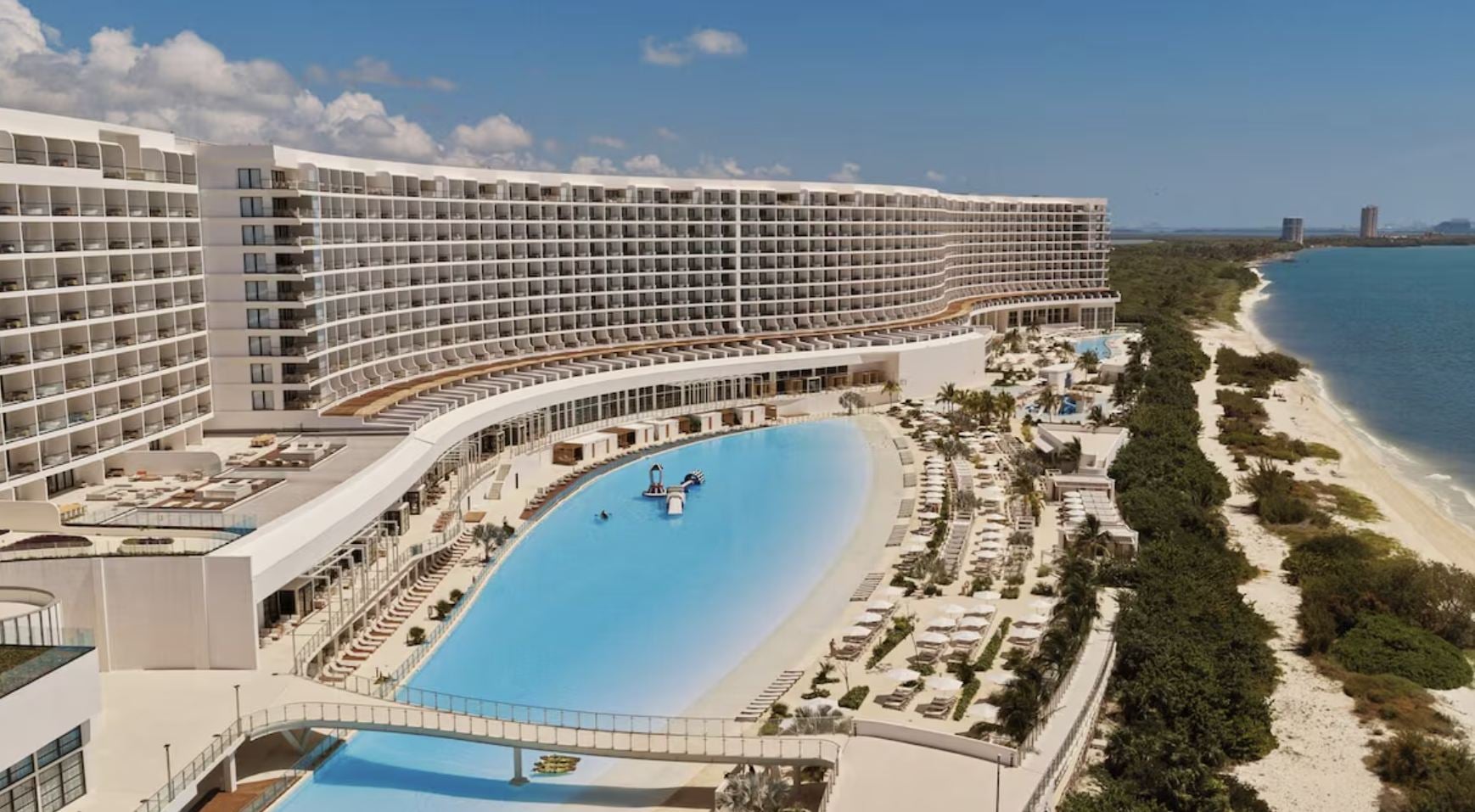
Beyond its logistical advantages, the property is a study in modern, expansive luxury. A standout feature of the resort is its commitment to an "oceanfront promise," where every single guest room is oriented toward the Caribbean Sea. This structural design eliminates the common travel anxiety of needing to pay for a last-minute view upgrade at check-in. The resort’s amenities are equally ambitious, headlined by a vast, sustainable artificial lagoon that provides a serene, crystal-clear swimming environment. With seventeen distinct dining concepts and dedicated zones that cater to both families and adults, the resort manages to offer the scale of a mega-property without the traditional transit headaches associated with deep-zone hotels.
Hyatt Ziva Los Cabos: Leveraging Strategic Proximity in Baja
When travelers touch down in Los Cabos, there is a prevailing, often misguided tendency to assume that the best experiences lie deep within the tourist corridors of Cabo San Lucas. Consequently, thousands of visitors immediately board shuttles for the forty-five-minute trek down the coastal highway. While the scenery is beautiful, the transit time can be a significant drain after a long day of flying.
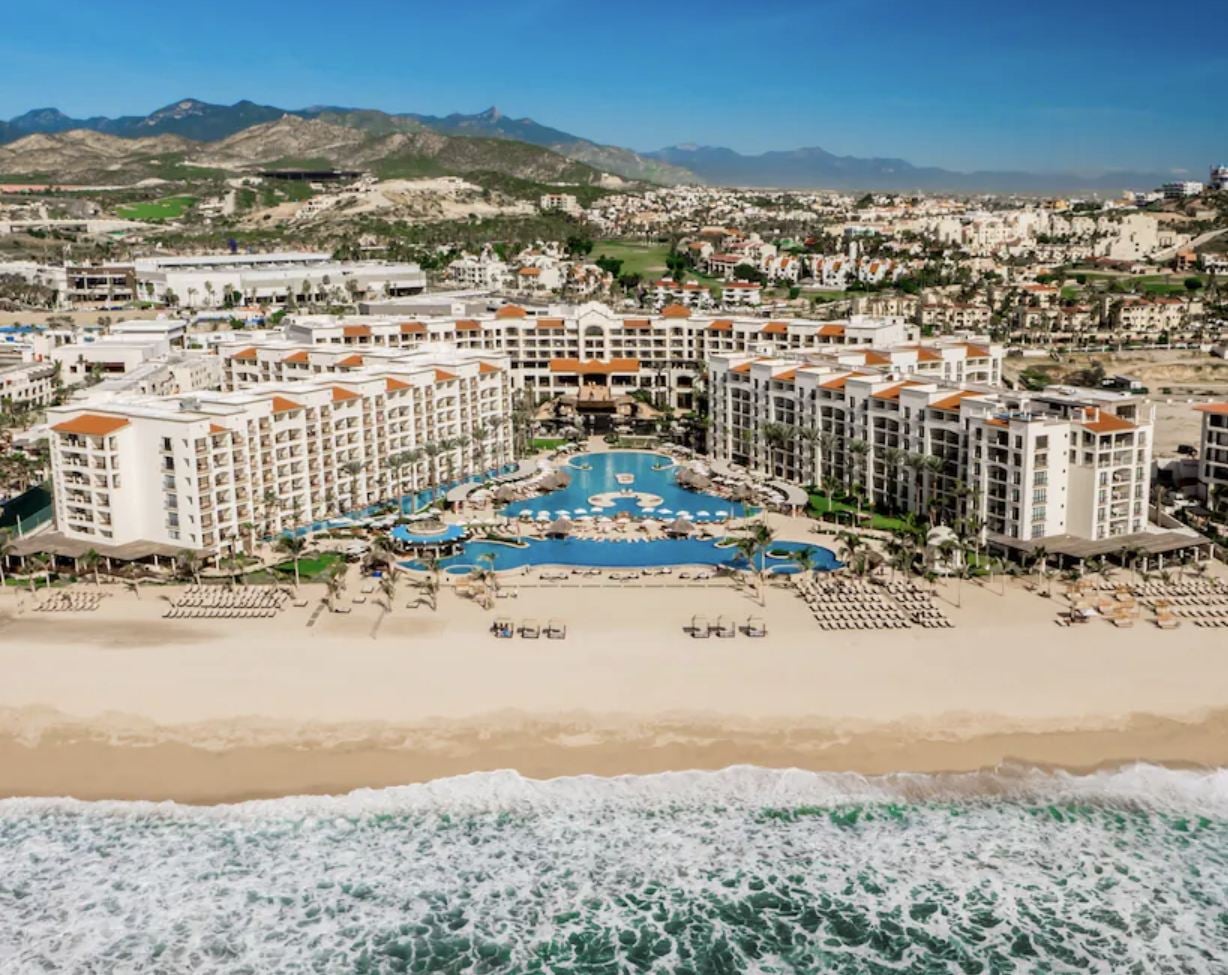
A more efficient alternative exists just a short distance from the airport. By selecting the Hyatt Ziva Los Cabos, travelers can land in the charming, quieter town of San Jose del Cabo and arrive at their destination in a fraction of the time. Utilizing the local toll road, a private car can whisk guests from the airport to the resort’s grand entrance in approximately fifteen to twenty minutes.
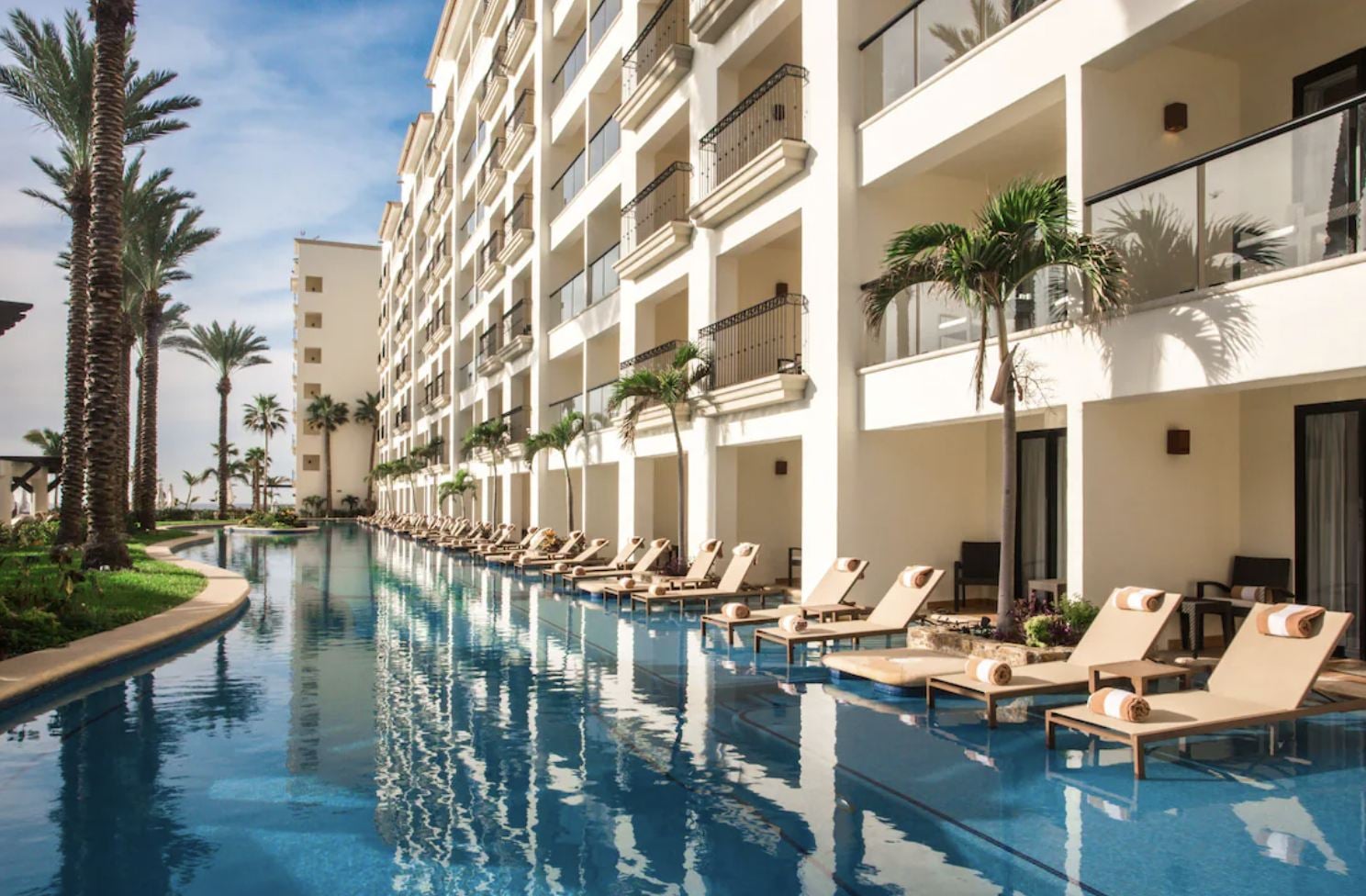
It is important for travelers to note the specific environmental context of this location. While the beach is visually striking, the Pacific currents in this region are powerful, leading to strong riptides and heavy shore breaks that make swimming dangerous. The resort has adapted to this reality by creating an exceptionally pool-centric experience. The property features a massive central pool complex, a secluded adults-only area complete with a swim-up bar, and a robust array of activities for younger guests. The dining program is equally impressive, offering everything from refined French cuisine to high-quality, authentic Mexican street food, ensuring that guests do not feel the need to leave the property to experience the local culture.
Hyatt Ziva Cap Cana: The Caribbean’s Model for Access
Punta Cana has earned a reputation for hosting some of the most efficient, user-friendly airport infrastructure in the Caribbean. However, the true advantage for travelers in the Dominican Republic is found within the gated community of Cap Cana, which sits in immediate proximity to the Punta Cana International Airport.
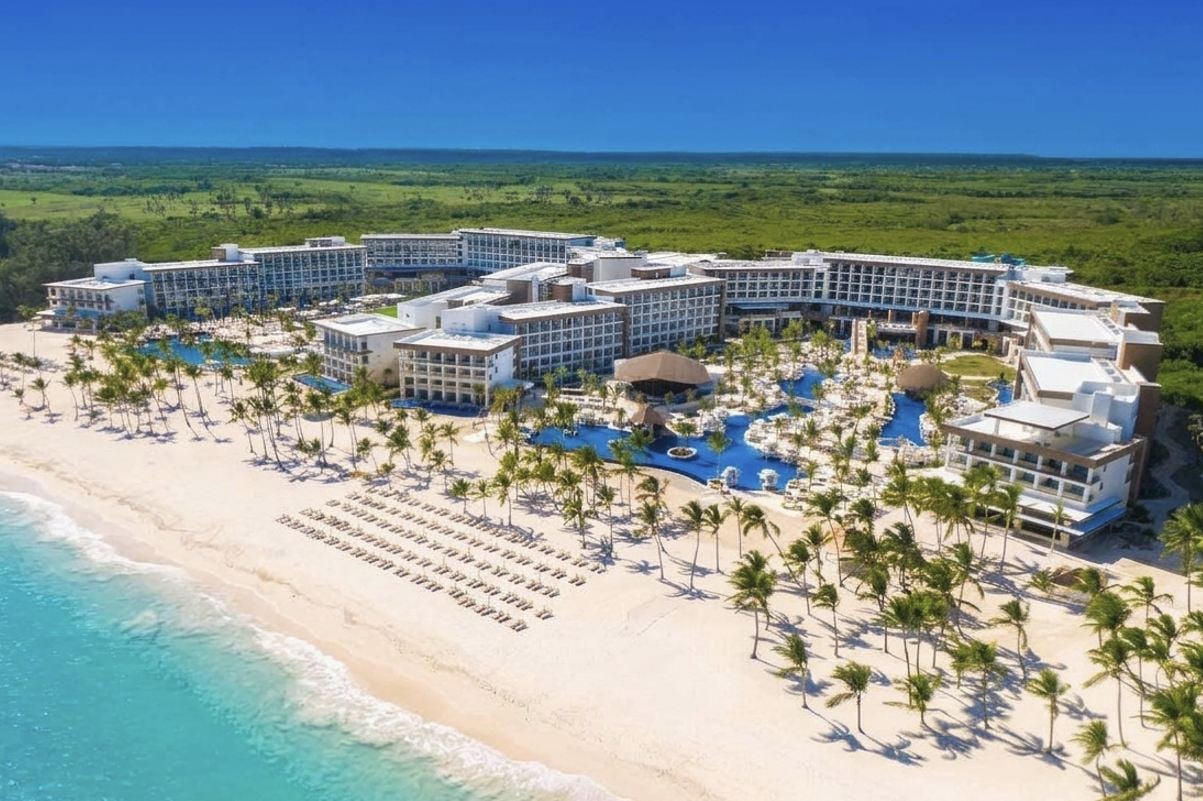
Choosing the Hyatt Ziva Cap Cana allows guests to avoid the long, winding drive north toward the more crowded beaches of Bavaro. Instead, guests can complete their journey in just twelve to fifteen minutes, transitioning from the runway to the soft, white sands of Juanillo Beach in a remarkably short window.
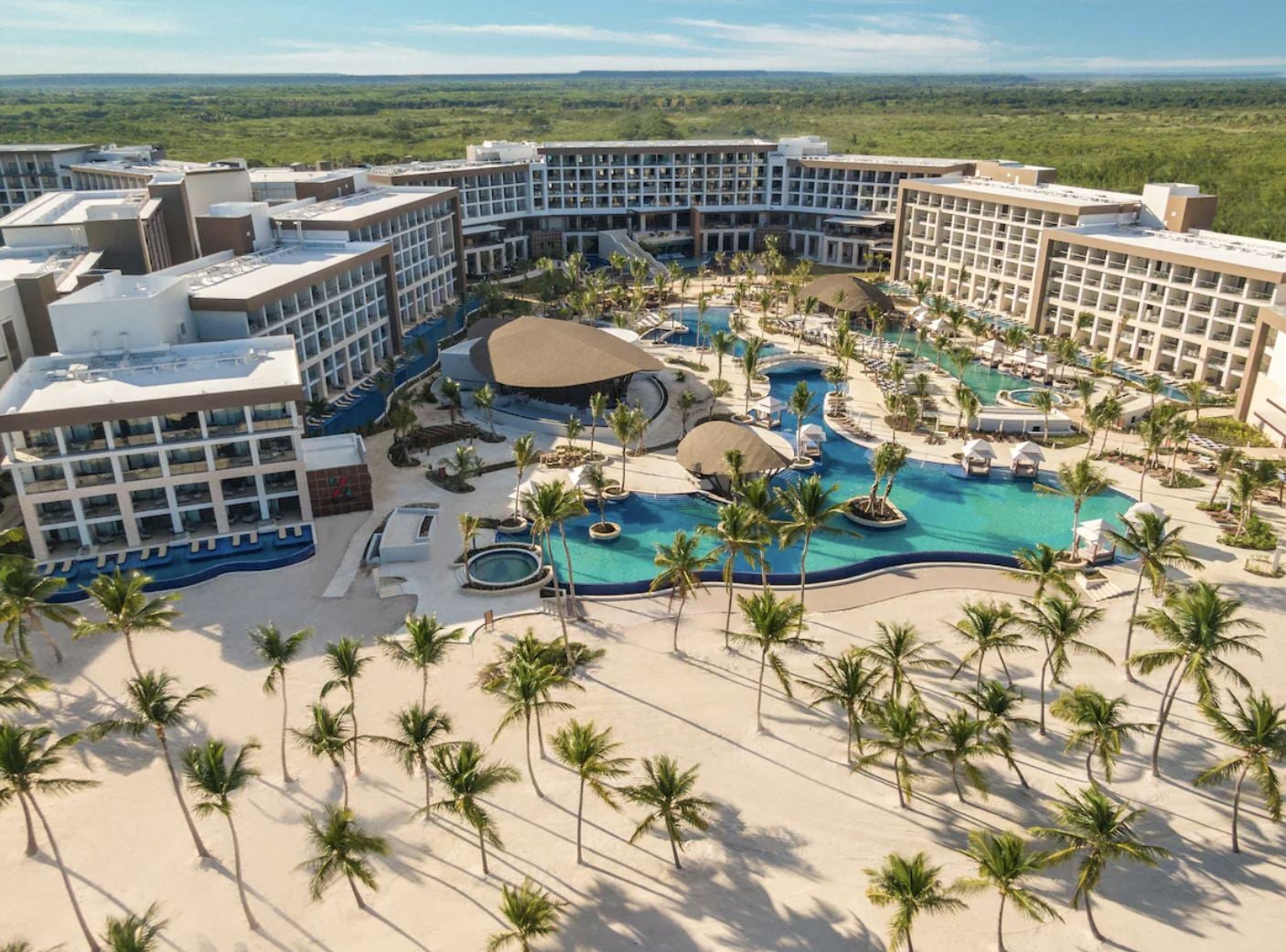
The resort benefits from a unique dual-property arrangement, sharing a massive, well-integrated complex with its sister property, the adult-only Hyatt Zilara. This configuration provides a distinct advantage for diverse travel groups. Families staying at the Ziva have seamless, unrestricted access to the expansive water park and the diverse array of high-end dining options on-site. Simultaneously, those traveling without children—or adults seeking a momentary respite—have the freedom to transition to the Zilara side to access exclusive, tranquil amenities, such as the subterranean, cenote-inspired spa. By combining proximity to the airport with a flexible, multifaceted resort environment, the property creates an atmosphere where the vacation experience begins almost immediately upon arrival, proving that travel friction is not a mandatory component of a tropical winter getaway.
| Source | : | Open Passport |
| Author | : | Azzam Bilal Chamdy |
| Editor | : | Open Passport Editorial Team |
