
Smart Fluids and Advanced Lubricants Crucial for Navigating Tight Margins in Modern Aviation, New Report Finds
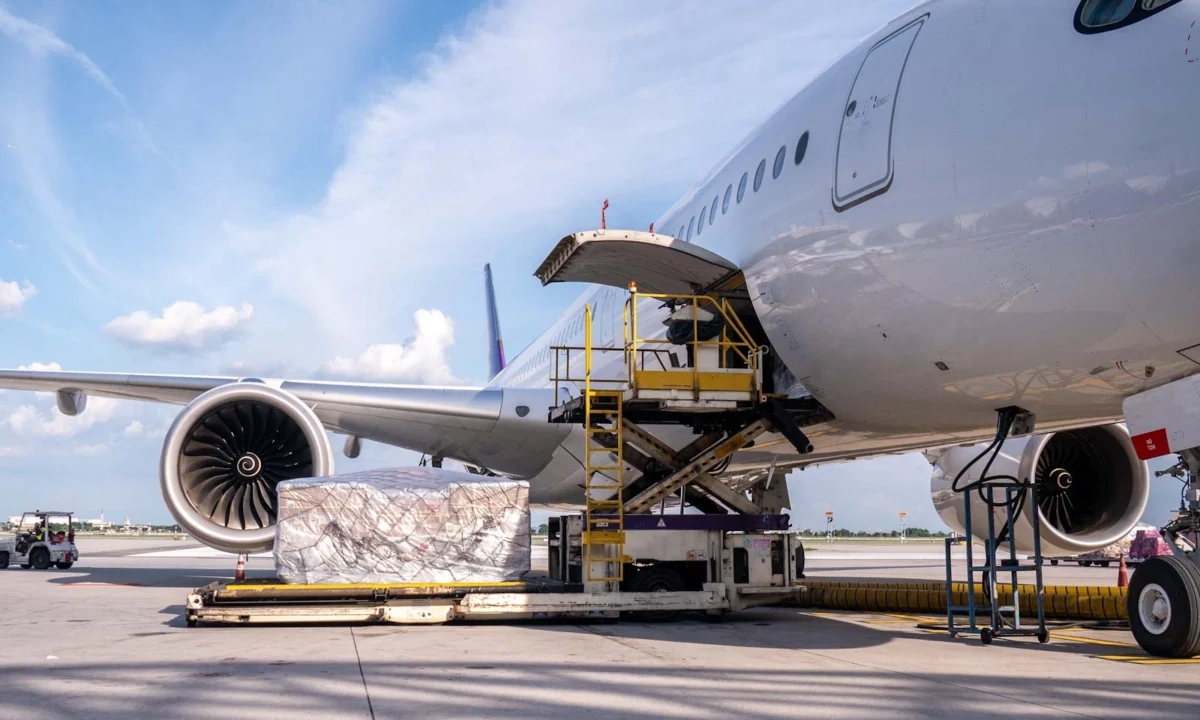
Operating within notoriously tight financial margins, the global aviation industry is constantly forced to seek out new operational efficiencies to ensure long-term commercial viability. A comprehensive new report highlights how strategic choices regarding smart fluids and specialized engine oils can unlock substantial operational savings, enhance fleet reliability, and protect profit margins in an increasingly volatile economic landscape.
The report, published by ExxonMobil and titled Oiling the Wheels of Progress: How Smarter Fluids Optimise Operating Costs in Aviation, details the multifaceted advantages that airlines and cargo operators can achieve by upgrading to more advanced lubricant solutions. Drawing on real-world examples and case studies from globally recognized aviation enterprises, the publication demonstrates that selecting the optimum oil is not merely a routine maintenance decision, but a vital lever for driving overall performance and cost efficiency.
In the pursuit of financial savings, commercial operators can sometimes fall into the trap of avoiding investment in newer, advanced product solutions. Sticking defensively with traditional, tried-and-tested products and established suppliers may feel like a safe financial choice in the short term. However, the report cautions that this conservative mindset often overlooks critical areas for ongoing technical improvement, exposing operators to the risk of prolonged inefficiencies, elevated maintenance expenditures, and avoidable component wear over the lifecycle of an aircraft.
Addressing Inefficiencies in Aviation
The commercial aviation sector currently operates on a precariously balanced economic foundation. While international air passenger traffic has successfully rebounded from the catastrophic disruptions experienced during the global health crisis, the industry remains highly susceptible to external shocks, geopolitical tensions, and macroeconomic volatility.
According to data cited in the report from GlobalData’s Global Passenger Airlines database, 2024 marked a significant milestone as the first year to surpass pre-pandemic commercial flight levels across both short-haul and long-haul routes. Despite this strong recovery in passenger demand, commercial airlines and dedicated cargo transport providers must continuously navigate complex operational headwinds, including persistent supply chain bottlenecks and shifting trade relationships between major regional markets.
When supply chain disruptions occur, they frequently trigger extended aircraft maintenance schedules and component shortages. In such scenarios, operators may be forced to rely on secondary backup components that do not deliver the same level of operational efficiency as preferred first-choice parts. Furthermore, unpredictable geopolitical developments and fluctuating international trade agreements can abruptly restrict access to certain operational hubs or maintenance facilities. Compounding these operational hurdles are continuous global fluctuations in crude oil and fuel prices, which demand constant monitoring and agile financial planning from airline executives.
Faced with this complex web of pressures, decision-makers across the commercial aviation sector are actively searching for every available avenue to secure operational efficiencies, reduce downtime, and safeguard profit margins.
Understanding the Advantages of Oils
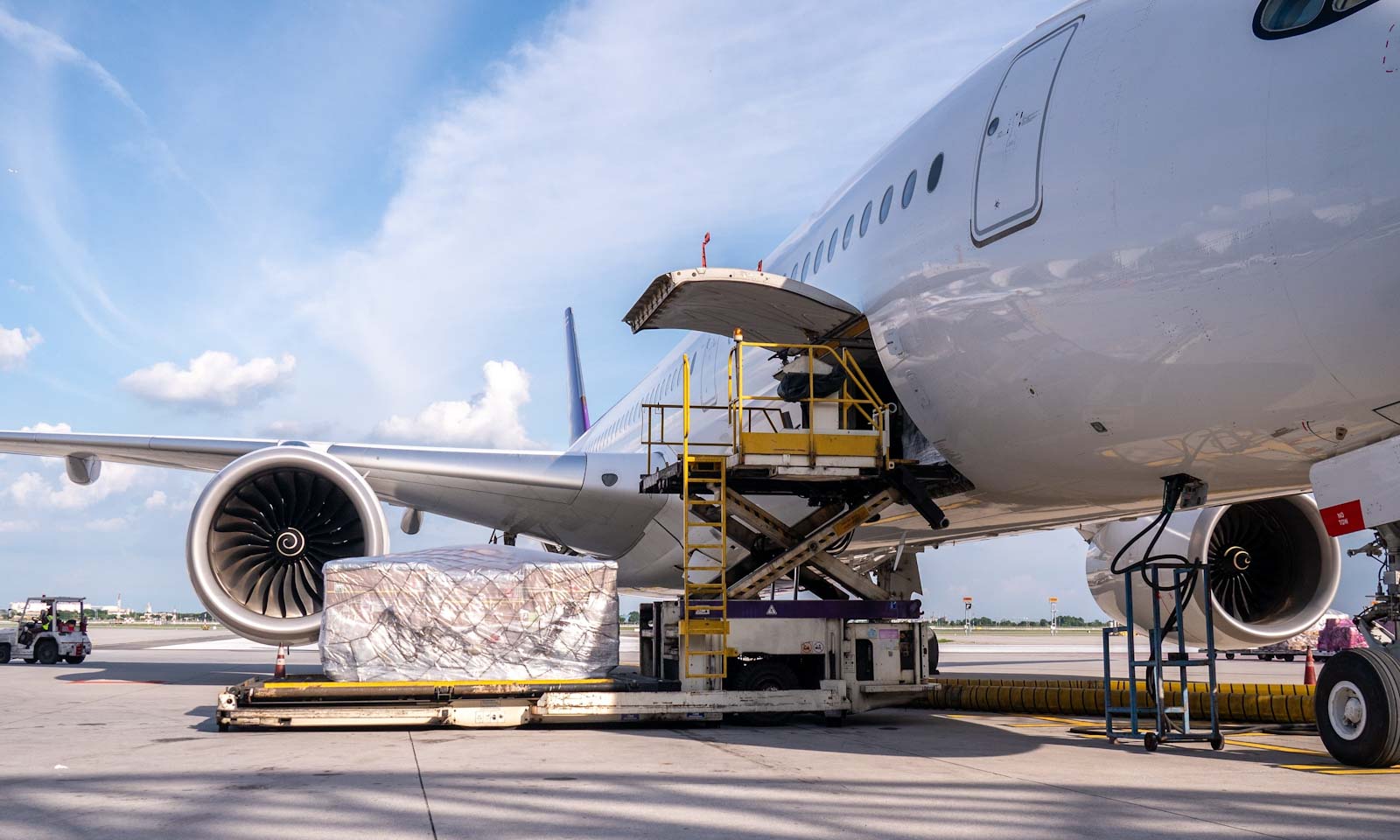
The new report sheds light on the specific operational challenges faced by freight and passenger businesses, particularly those operating heavier aircraft fleets that subject turbine engines and auxiliary power units to intense mechanical strain. If left unmanaged, the stresses placed on these critical systems can generate significant financial liabilities for commercial operators.
Oil-related reliability issues represent a major cost driver for aviation businesses, impacting not only direct equipment maintenance budgets but also brand reputation and customer satisfaction if scheduled flights are disrupted by unexpected aircraft downtime. Repairing or replacing failed components can impose staggering financial burdens on carriers. For instance, addressing generator-related failures can cost upwards of $30,000 per removal, not including the secondary financial losses incurred while the aircraft is grounded and unavailable for revenue-generating flights.
These escalating repair and maintenance expenses exert a profound impact on the bottom line of both passenger airlines and dedicated cargo carriers. To mitigate these spiraling costs, aviation businesses must develop a deeper understanding of the lubricants utilized across their fleets and rigorously evaluate whether their current product choices represent the optimal solution for specific aircraft models operating on designated routes.
Industry operators are urged to closely scrutinize every oil product applied to an aircraft’s critical components. This requires conducting systematic performance evaluations and operational tests to verify existing effectiveness or identify alternative formulations capable of delivering superior protection and higher performance. While such comprehensive analyses require an investment of time and engineering resources that busy operators may feel they lack, the long-term financial payoff can be substantial.
Adopting higher-performance fluid solutions may occasionally involve upfront product costs that exceed those of standard legacy fluids currently used across a fleet. Nevertheless, the report illustrates the profound positive impact that selecting the right lubricant can have on fleet-wide operations. For example, the engineering and development of specialized solutions such as Mobil Jet Oil II are grounded in more than six decades of extensive flight experience, representing approximately five billion hours of proven on-wing performance. Advanced formulations of this nature are specifically engineered to optimize seal life, reduce component wear, and extend the operational lifespan of high-stress engines, precision gears, and delicate bearings.
To further substantiate these findings, the report incorporates a series of detailed case studies featuring globally recognized commercial airlines and cargo operators. These accounts document the measurable operational improvements and efficiency gains achieved by transitioning to advanced lubricant suppliers, demonstrating how strategic fluid selection translates into tangible business value.
As the global aviation community continues to navigate an era defined by heightened economic uncertainty, geopolitical complexity, and rigorous cost management, industry stakeholders are increasingly turning to advanced product technologies to secure operational reliability and maximize efficiency across their flying assets.
| Source | : | Open Passport |
| Author | : | Ali Ikhwan |
| Editor | : | Open Passport Editorial Team |
