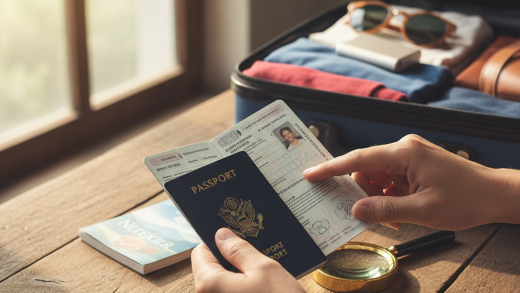
A poorly prepared passport can lead to denied entry, missed flights, and bureaucratic nightmares that can derail your adventure before it even begins. This guide will walk you through every critical step of preparing your passport for an extended period overseas, ensuring your journey is smooth from the very first stamp.
The Six-Month Validity Rule: The Unspoken Gatekeeper
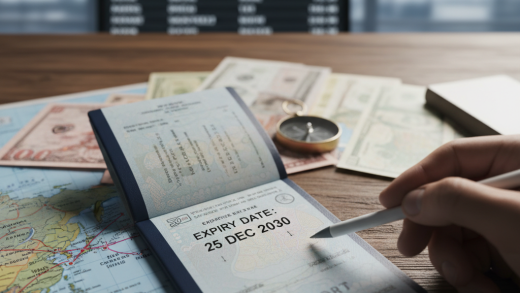
The single most common pitfall for international travelers is the ‘six-month validity rule.’ Many countries require your passport to be valid for at least six months beyond your planned date of departure from that country. For a long-term traveler with a flexible itinerary, this means your passport should ideally have at least a year or more of validity remaining before you leave home.
Why does this rule exist? It’s a safeguard for foreign governments. They want to ensure that if you are unexpectedly delayed in their country (due to illness, travel disruptions, or other unforeseen circumstances), you will still have a valid travel document to return home. An expired passport abroad creates a complex diplomatic and logistical problem that all parties want to avoid.
Ignoring this rule can have severe consequences. Airlines are often fined heavily for transporting passengers with inadequate documentation, so they will be the first to enforce it. You could be denied boarding at your departure airport, losing the money you spent on your flight and having your entire trip jeopardized. Don’t take the risk; check your passport’s expiration date now.
Check Your Blank Pages: More Than Just Souvenirs
Long-term travel means more border crossings, and potentially, more visas. Each visa and entry/exit stamp takes up valuable real estate in your passport. Many countries require at least one or two completely blank pages for a new visa or even just for an entry stamp. Some full-page visas can consume a page on their own.
Before you depart, flip through your passport page by page. How many completely blank pages do you have left? If you plan on visiting multiple countries, especially in regions like Southeast Asia or Africa where you might be crossing borders frequently, a handful of pages can fill up surprisingly fast. A passport full of stamps is a great memento, but it’s useless if there’s no room for the next one.
If you’re running low on pages, you have a couple of options. In the past, the U.S. State Department offered to add extra pages, but this service was discontinued in 2016. Now, your only option is to apply for a passport renewal. When you renew, you can request a larger 52-page book (instead of the standard 28-page one) at no extra cost, which is highly recommended for any serious traveler.
Renewing Before You Go: A Proactive Approach
If your passport is expiring within a year or you’re short on blank pages, renewing it before your trip is the smartest move you can make. The process is straightforward but requires lead time. Do not wait until the last minute.
The renewal process typically involves completing a specific form (like the DS-82 form in the U.S.), providing a new passport photo that meets strict criteria, submitting your old passport, and paying the applicable fees. Processing times can vary dramatically depending on the time of year and current demand. Standard processing can take several weeks to a few months, while expedited services can shorten this to a few weeks for an additional fee. Plan accordingly.
What If Your Passport Expires While You’re Abroad?
Renewing a passport from a foreign country is possible, but it is far more complicated and stressful than doing it from home. The process must be done through your home country’s embassy or consulate in the country where you are staying. You will need to make an appointment, gather all the required documentation (which can be harder to obtain abroad), and wait for the new passport to be processed and shipped, which can take weeks.
This situation can severely limit your travel plans. You cannot cross international borders without a valid passport, so you will be stuck in that country until the new one arrives. It can also complicate visa renewals or residency permits. The clear lesson is: handle your renewal before you ever leave home.
Protecting Your Lifeline: Physical and Digital Safety
Once you have your perfectly prepared passport, you must protect it like the treasure it is. Physical damage can invalidate your passport. Water damage, significant tears, or unofficial markings can cause immigration officials to reject it.
- Get a Passport Cover: A sturdy cover can protect against spills, bending, and general wear and tear.
- Use a Waterproof Bag: When traveling in humid climates or engaging in water-based activities, store your passport in a sealed, waterproof pouch.
- Store it Securely: When not in transit, keep your passport in a hotel safe, a locked bag, or another secure location. Avoid leaving it in plain sight.
The Power of Copies: Your Ultimate Backup Plan
Losing your passport is one of the most stressful experiences a traveler can face. Having a robust backup system can turn a potential catastrophe into a manageable inconvenience. Never rely on just the original document.
- Physical Photocopies: Keep several black-and-white and color photocopies of your passport’s identification page. Store them in separate places from your actual passport (e.g., one in your main luggage, one in your daypack).
- Digital Scans: Scan your passport ID page, your visa pages, and your entry stamp for your current location. Store these files in a secure cloud service like Google Drive, Dropbox, or a password-protected email account. This allows you to access them from any internet-connected device in the world.
- Leave Copies at Home: Email a digital copy to a trusted friend or family member back home. In an emergency, they can quickly send you the information you need.
In some countries, you may be required to carry identification at all times. A photocopy can often suffice for daily errands, allowing you to leave the precious original locked up safely.
Register Your Trip with Your Embassy
Most governments offer a program for citizens to register their travel plans. For Americans, this is the Smart Traveler Enrollment Program (STEP). Registering your trip provides the embassy with your contact information and itinerary. In the event of a natural disaster, civil unrest, or a family emergency back home, the embassy can contact you and provide assistance. It also makes the process of replacing a lost or stolen passport much smoother, as they already have your details on file.
The Stolen or Lost Passport Scenario
Even with the best preparation, accidents happen. If your passport is lost or stolen, act immediately.
First, file a police report in the local jurisdiction where the loss occurred. This report is often required by the embassy and can be useful for travel insurance claims.
Second, contact your country’s nearest embassy or consulate without delay. You can find their location and emergency contact numbers online. They will guide you through the process of applying for an emergency or replacement passport.
You will typically need the police report, proof of identity and citizenship (this is where your digital and physical copies become invaluable), a new passport photo, and the necessary application forms and fees. The embassy can issue a limited-validity emergency passport to get you home or, in some cases, a full-validity replacement.
Final Pre-Departure Passport Check
Before you walk out the door, perform one final check. Open your passport and inspect it carefully. Is the laminate on the photo page peeling? Are there any rips or tears on the pages? Does it look like it’s been through the wash? Any significant damage could cause an airline or immigration official to question its authenticity. If you have any doubts, it’s better to seek a replacement before you travel.
Your passport is the key that unlocks your long-term travel adventure. By treating its preparation with the seriousness it deserves—checking its validity, ensuring you have enough pages, protecting it from harm, and creating a solid backup plan—you build a foundation for a safe and stress-free journey. Now you can focus on the real reason you’re going: to explore, learn, and experience the world.