
Navigating CrossFit While Traveling: A Practical Framework for Affiliate Drop-Ins and Transit Workouts
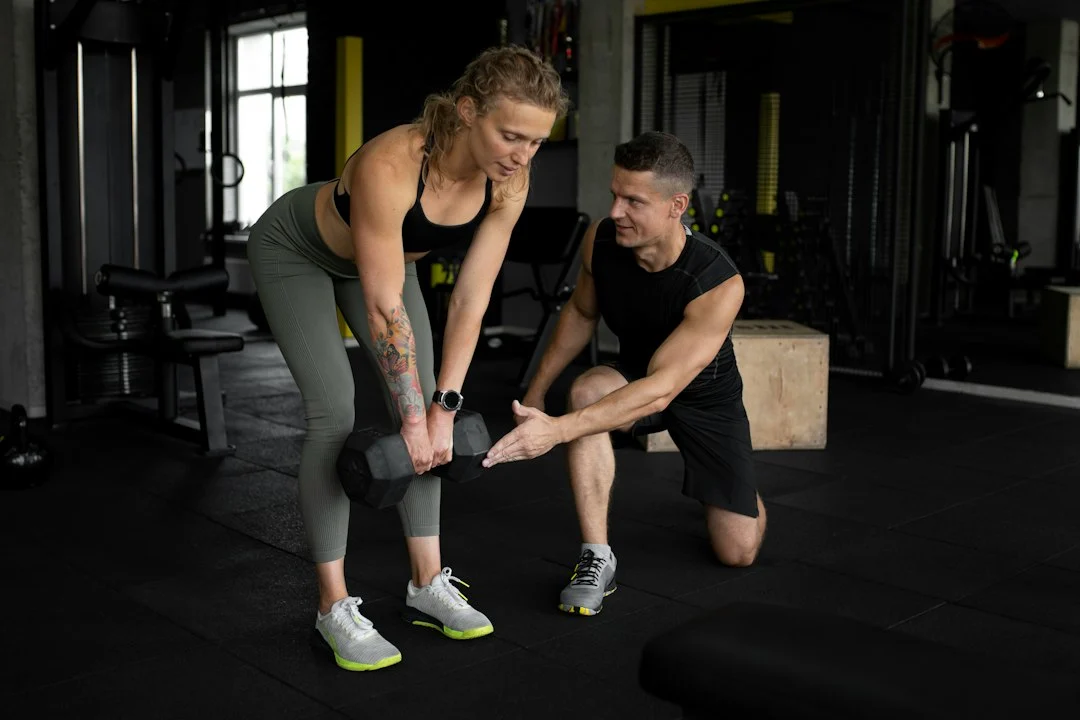
For traveling fitness enthusiasts, maintaining a consistent training routine often means striking a careful balance between two distinct needs: seeking out coached affiliate sessions for unfamiliar or technical work, and relying on simple, low-risk alternatives during heavy transit days. Experienced athletes understand that the most effective travel routine is rarely about chasing a heroic, high-intensity workout in every city on the itinerary. Instead, it is about establishing a repeatable framework to locate a legitimate CrossFit affiliate, transparently disclose one’s experience level, verify pricing structures, and scale workouts appropriately to match prevailing travel conditions.
This advisory approach relies on comprehensive desk research rather than firsthand gym reviews or medical guidance. Affiliate examples and pricing structures were verified as of mid-November 2026, though schedules, coach availability, and associated fees remain subject to change, underscoring the importance of contacting individual facilities prior to an intended visit.
Quick Decision-Making for Diverse Travel Itineraries
Travelers face varying constraints depending on the duration of their stay in any given location. For those spending only a single day or two in a city, a single affiliate drop-in usually suffices, provided the athlete secures class space, meets any prerequisite experience requirements, and completes the necessary liability waivers beforehand. When stays extend to a span of one to three weeks, acquiring a weekly pass or a multi-class pack often proves more economical, though athletes must carefully check expiration dates, class inclusions, and cancellation terms. For stays lasting a month or longer, short-term memberships offer stability, provided the athlete reviews contract lengths and the facility’s pause or cancellation policies.
Conversely, transit days or destinations lacking a nearby affiliate call for conservative bodyweight or walking sessions, with a primary focus on securing a safe exercise surface, adequate space, and an honest assessment of one’s current physical condition. Beginners entering the CrossFit ecosystem face different considerations entirely. Those new to the methodology should seek out fundamentals, beginner-specific, or general fitness classes, as visiting athletes should never assume that an advanced group drop-in session is open to novices.
Methodology and Verification Standards
The foundational research for travel-oriented CrossFit participation relies on official affiliate resources and travel-workout guidance provided directly by CrossFit, alongside the official digital platforms of representative affiliates in international hubs such as Chiang Mai and Lisbon. Standard reporting practices dictate that gyms are not arbitrarily scored, customer reviews are not recycled as definitive metrics, and no single affiliate is presented as universally suitable for every visiting athlete.
Prices are reported in the exact currency published by individual gyms, serving as localized snapshots rather than citywide averages. Because CrossFit affiliates operate as independent small businesses, booking rules and pricing structures established at one location do not translate into a global corporate policy.
Finding and Verifying Active Affiliates
The most reliable starting point for locating an active training facility is the official CrossFit affiliate map, accessible via the contact pages of the organization’s main network. This tool serves as a far more dependable initial filter than outdated directories, given that affiliate licensing statuses and local branding can shift over time. Once a potential box is identified on the map, travelers must cross-check the information against the gym’s independent website and current weekly class schedule.
Athletes should avoid relying solely on social media posts as proof of current operational status or fee structures. While online platforms can help confirm whether a facility is actively running classes, the official booking portal or pricing page must govern any financial transactions.
Communicating with the Box Before a Drop-In
A brief, proactive message to a gym prior to arrival can easily prevent a wasted journey and ensure a smooth integration into local classes. Effective communications should outline the exact dates of the planned visit, the athlete’s overall level of CrossFit experience, their comfort level with Olympic weightlifting movements, and any existing aches, injuries, or physical limitations they plan to discuss with the coach. Furthermore, visitors should always inquire whether the class is coached in a language they fully understand and whether advance registration is mandatory.
An effective inquiry is straightforward and direct, typically noting the dates of the stay, the duration of the athlete’s training background, and any specific movements currently being avoided, such as heavy overhead loading. Crucially, athletes should refrain from transmitting detailed medical records through informal messaging channels. Sharing only the practical limitations necessary for safe class planning is sufficient prior to arrival, leaving deeper discussions for a private conversation with the coach on the gym floor.
Experience Prerequisites and On-Ramp Rules
The fact that a movement is labeled as "scalable" does not automatically mean that every group class is open to any visitor without prior preparation. Individual affiliates frequently enforce strict experience prerequisites for their standard CrossFit classes or specialized Olympic-weightlifting sessions, while simultaneously offering dedicated fundamentals, bootcamp, or general fitness programs for beginners.
For instance, CFCNX in Chiang Mai explicitly requires prior experience for standard CrossFit and Olympic-lifting drop-in participants. This exact type of operational rule illustrates why travelers must verify requirements prior to remitting payment. Newcomers who overstate their abilities risk compromising their safety; inquiring about appropriate introductory pathways is always the wiser course of action. Once inside the class, athletes must be willing to accept adjustments made by the coach regarding load, range of motion, movement variations, repetition schemes, or overall time domains. Accepting these real-time modifications is a fundamental component of responsible traveling, particularly when the coaching staff is unfamiliar with the visitor’s movement patterns.
Drop-In Etiquette and Community Realities
While the global sense of community remains one of the primary appeals of the CrossFit network, paying a drop-in fee does not automatically guarantee a highly social event or an English-speaking class. Travelers should treat both community engagement and language compatibility as preferences to be verified rather than guaranteed assumptions. Respecting local class protocols, arriving early to introduce oneself, and returning equipment promptly to its designated storage area help maintain the positive reputation of traveling athletes within the broader fitness community.
Scaling Workouts for Travel Conditions
An overnight flight, shifting time zones, ambient heat, dehydration, and unfamiliar equipment can drastically alter what constitutes a sensible workout upon arrival in a new city. There is no universal percentage by which an athlete should automatically reduce their training intensity; instead, visitors should use the pre-class warm-up period and conversations with the coach to determine whether to lower loads, shorten the workout duration, or substitute alternative movements.
Athletes must never attempt to train through acute chest pain, dizziness, unusual shortness of breath, acute injury symptoms, or other physiological warning signs, and should seek immediate medical evaluation if these symptoms arise. Anyone embarking on a new exercise program or returning to training after a significant hiatus should always obtain professional advice tailored to their specific health circumstances. The first training session in an unfamiliar city is rarely an appropriate setting to chase a personal record; it is a much better opportunity to learn the layout of the facility, understand the equipment, and adapt to a new coach’s cues.
Regional Pricing Realities: Case Studies in Chiang Mai and Lisbon
Examining specific international markets highlights the financial diversity inherent in the affiliate network. In Chiang Mai, the official short-term pricing structure at CFCNX lists single classes starting at 300 Thai baht, with weekly passes available from 2,200 Thai baht, though visitors must consult the live booking portal to verify current class availability and specific experience prerequisites before making payments. These figures remain denominated in local currency and fluctuate dynamically alongside daily exchange rate movements.
Meanwhile, in Lisbon, XXI CrossFit lists drop-in rates alongside multi-class packs for three, five, or ten sessions for the 2025 and 2026 seasons, while nearby Caravelas features a comparable single drop-in rate. Despite identical single-class pricing at certain venues, these facilities are far from interchangeable; factors such as geographic location, public transit access, class schedules, and specific eligibility requirements dictate their suitability for individual travelers. These regional examples demonstrate how the length of a stay alters financial calculations, as class packs may lower the per-session cost, provided the visitor can realistically use all allocated sessions prior to departure.
Maintaining Programming Coherence Across Cities
Switching between different affiliates on a weekly basis can easily introduce random volume spikes and repetitive movement patterns into an athlete’s regimen. To mitigate this, travelers should maintain a simple training log that records session types, primary movements, and the specific scaling options utilized. Before joining a local workout, athletes should evaluate their recent training history and inform the coach if accumulated fatigue or conflicting prior sessions warrant modifications.
While some athletes prefer following their home programming during travels, others opt to integrate directly into the host affiliate’s daily WOD, and a third group utilizes open gym time for independent skill work. Regardless of the chosen model, open gym hours should never be treated as an unsupervised testing ground for unfamiliar, technical lifts. Visitors must always confirm whether independent programming is permitted and what level of coaching supervision is actively provided during those hours.
Travel Workouts and Minimal Equipment Alternatives
Official CrossFit guidance on travel workouts emphasizes the value of no- and limited-equipment routines while reiterating the importance of connecting with local affiliates when possible. Structured formats such as short interval pieces, time-capped bodyweight circuits, or sustained walking sessions can successfully maintain the training habit without attempting to force high-intensity, loaded workouts into compromised environments. Athletes should prioritize movements they already know intimately, ensure they are working on a stable and safe surface, and maintain adequate spatial clearance. Standard hotel rooms and shared apartments are rarely appropriate settings for explosive movements, dropping weights, or late-night exercise sessions that disturb neighbors.
While portable training tools like a skipping rope or resistance bands can expand options, equipment can never replace proper coaching for complex movements that an individual has not yet mastered. Minimal gear remains useful primarily for its portability rather than its ability to render every conceivable workout safe in every travel location.
Recognizing When CrossFit Is Not the Right Choice
There are inevitably periods during travel when participating in a formal CrossFit class or intense workout is simply not the correct decision. Factors such as severe jet lag, impending deadlines, inflexible travel itineraries, or early departure times can render a gym visit impractical or counterproductive.
In such instances, substituting structured exercise with walking, an easy run, a swimming session, yoga, a general hotel gym workout, or complete physical rest is often the healthiest path forward. Choosing an alternative activity or opting for recovery is never a failure to maintain consistency; true fitness longevity includes knowing when to step back rather than forcing a risky or exhausting session. By aligning training decisions with practical realities, travelers can preserve both their physical well-being and their enthusiasm for the sport throughout their journeys.
| Source | : | Open Passport |
| Author | : | Neng Nana |
| Editor | : | Open Passport Editorial Team |
