The first step in safeguarding your passport is understanding the potential threats. These include theft, fire, water damage, and even simple wear and tear. A well-thought-out storage strategy addresses these risks, providing multiple layers of protection to keep your passport safe.
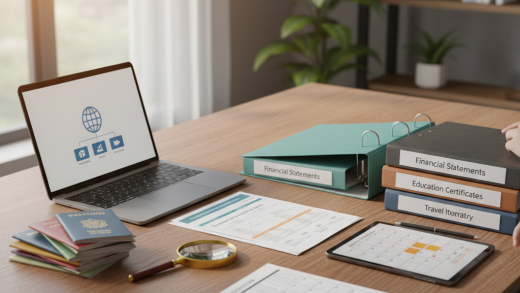
Before you even think about where to store your passport, take a moment to make copies. Create both physical and digital copies. Keep the physical copies separate from your passport, perhaps in a different room or a secure location outside your home. Scan your passport and save the digital copy to a secure, password-protected device or cloud storage. This is invaluable if your passport is lost or stolen. It facilitates the replacement process and provides proof of identity.
Once you have copies, the next consideration is where to store your passport. This decision depends on several factors, including your living situation, the level of security you require, and your personal preferences.
A common and often effective solution is a home safe. A fire-resistant and waterproof safe offers excellent protection against theft, fire, and water damage. Choose a safe that is large enough to accommodate your passport, along with other important documents like birth certificates, social security cards, and insurance policies.
When selecting a safe, consider the locking mechanism. Electronic locks offer convenience, while combination locks provide a higher level of security, as they do not rely on batteries. Ensure the safe is properly bolted to the floor or wall to prevent it from being easily removed. Consider a safe with a UL rating for fire resistance, indicating the safe has been tested and certified to withstand high temperatures for a specific duration.
If you don’t have a safe, or if you want an additional layer of protection, consider a hidden storage location. This could be a locked drawer, a fireproof document bag, or a cleverly disguised container. The key is to choose a location that is discreet and difficult for someone to find without extensive searching.
Avoid obvious places like the top drawer of your desk or a bedside table. Think creatively: a hidden compartment in a closet, a false bottom in a drawer, or even a hidden wall safe (if you’re willing to install one).
No matter where you choose to store your passport, it’s crucial to protect it from the elements. Moisture and extreme temperatures can damage the document, rendering it illegible or invalid.
Use a waterproof bag or container. These are readily available and provide a simple, inexpensive way to safeguard your passport against water damage. Sealable plastic bags work well, but for added protection, consider a dedicated waterproof pouch or container. These are often made of durable materials and offer a higher degree of water resistance.
Keep your passport away from direct sunlight and extreme temperatures. Prolonged exposure to sunlight can fade the ink and damage the cover. Avoid storing your passport in areas prone to temperature fluctuations, such as attics, basements, or garages.
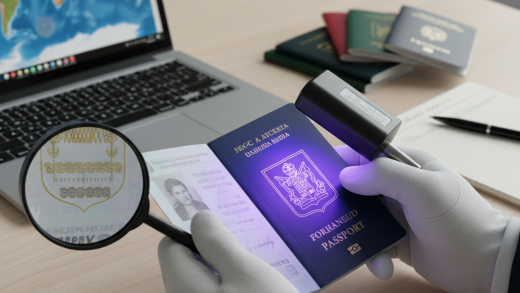
Regularly inspect your passport for any signs of damage or wear and tear. This is a good practice to follow periodically, maybe every few months. Look for frayed edges, water stains, or any other issues that could affect its validity. If you notice any damage, contact the issuing authority (typically the State Department or your country’s equivalent) to inquire about a replacement.
When you travel, be sure to keep your passport secure. Carry it with you at all times, preferably in a secure money belt or a cross-body bag that is difficult to snatch. Never leave your passport unattended, even in a hotel room.
Consider leaving a copy of your passport with a trusted friend or family member who is not traveling with you. This can be invaluable if your passport is lost or stolen while you are abroad. It simplifies the process of obtaining a replacement from your embassy or consulate.
If you suspect your passport has been lost or stolen, report it immediately to the local police and your country’s embassy or consulate. Provide them with as much detail as possible, including the passport number, date of issue, and any other relevant information. This is critical to prevent someone from using your passport for fraudulent activities.
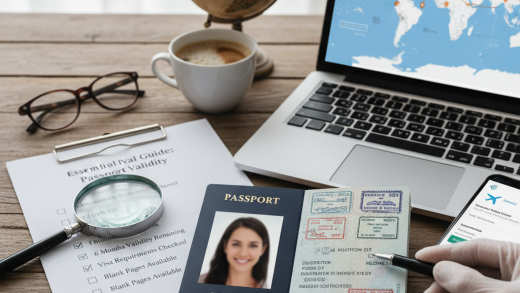
Ensure you update your passport regularly. Passports have an expiration date, and traveling with an expired passport can lead to serious consequences, including denied boarding and delays. Keep track of your passport’s expiration date and renew it well in advance of any planned travel.
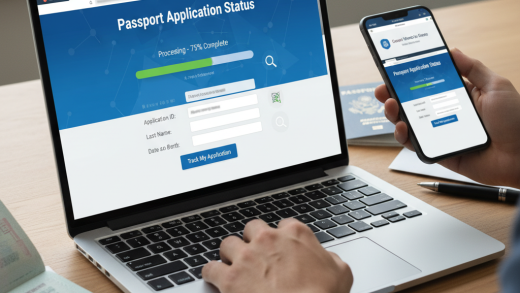
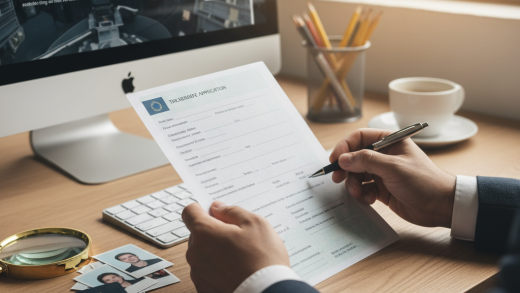
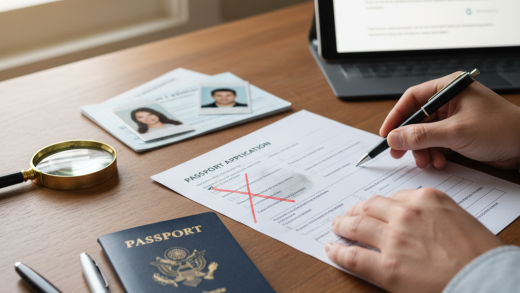
The renewal process typically involves submitting an application, along with your old passport, a passport photo, and any required fees. The exact requirements vary depending on your country of citizenship, so it’s essential to consult the relevant government website or embassy for detailed instructions.
In addition to storing your passport securely, it’s a good idea to create a list of important contact information, including your passport number, date of issue, place of issue, and the contact information for your embassy or consulate in any country you plan to visit. Keep this list separate from your passport.
RFID (Radio Frequency Identification) blocking wallets and passport holders are designed to protect your personal information from electronic theft. They contain a special lining that blocks radio waves, preventing thieves from scanning the RFID chip in your passport to steal your data.
For those who live in areas prone to natural disasters, such as hurricanes or floods, consider storing your passport and other important documents in a waterproof and fire-resistant container located above ground level. This will provide added protection against damage in the event of a disaster.
Review your passport storage strategy periodically. Life circumstances can change, and your storage needs may evolve over time. Re-evaluate your storage setup regularly to ensure it still meets your needs and provides adequate protection.
Consider the location of your home safe. It should be easily accessible to you but not easily visible to others. A closet or a discreet corner of your home is preferable over a spot that is readily seen by visitors.
Ensure you have a system in place for quickly locating your passport when you need it. This can involve labeling your safe or storage container clearly and keeping a checklist of the documents stored inside. This will save you time and stress when you are preparing for a trip.
If you have children or other family members who may need access to your passport in an emergency, make sure they know where it is stored and how to access it. Provide them with the necessary information and ensure they understand the importance of keeping the passport secure.
Be cautious about sharing information about your passport storage with others. While it’s okay to inform trusted family members, avoid broadcasting the location of your passport to individuals who may not have your best interests at heart.
Keep your passport updated with any necessary information. If you change your name or marital status, you will need to apply for a new passport. Ensure all the information on your passport is accurate and up-to-date.
If you find that your passport has been compromised or you suspect identity theft, contact the appropriate authorities immediately. Report the incident to the local police and your country’s passport issuing agency. Also, consider placing a fraud alert on your credit reports.
When storing your passport, think about the future. Consider your travel plans, the potential risks you face, and the overall security of your home. By taking the time to carefully plan and implement a passport storage strategy, you can protect this valuable document and enjoy peace of mind knowing that your travel plans are secure.
In conclusion, proper passport storage is essential for protecting your identity and ensuring smooth travel experiences. By following the recommendations in this guide, you can create a secure and accessible storage system for your passport, giving you confidence and peace of mind. Remember to prioritize safety, security, and accessibility when choosing a storage solution. With the right approach, your passport will be readily available when needed and protected from the elements and potential theft.