Applying for a United States visa is often considered one of the most rigorous travel procedures in the world. Whether you are planning to visit for tourism, business, education, or medical treatment, understanding the nuances of the application process is crucial to increasing your chances of approval. The process involves precise documentation, strict adherence to timelines, and a convincing interview performance. This guide outlines the essential steps to navigate the US visa application system effectively.
Step 1: Determine the Correct Visa Class
Before initiating any paperwork, you must identify the specific type of visa that aligns with your travel purpose. Applying for the wrong category is a common reason for rejection. The most common non-immigrant visa categories include:
- B-1/B-2 Visitor Visa: For tourism, visiting family, or short-term business trips.
- F-1 Student Visa: For academic studies at an accredited US institution.
- H-1B Work Visa: For specialty occupations requiring theoretical or technical expertise.
- J-1 Exchange Visitor Visa: For individuals participating in work-and-study-based exchange programs.
Visit the official US Department of State website to verify which classification fits your itinerary.
Step 2: Complete the DS-160 Form
The Nonimmigrant Visa Electronic Application (DS-160) is the backbone of your application. This online form collects your personal, professional, and travel history. When filling out this form, ensure that every piece of information matches your passport and supporting documents exactly.
Key tips for the DS-160:
- Save your application ID immediately, as the system times out frequently.
- Be honest about previous travel and visa denials.
- Upload a high-quality, recent photograph that meets US visa photo requirements (2×2 inches, white background).
- Once submitted, print the DS-160 Confirmation Page with the barcode; you will need this for your interview.
Step 3: Pay the Application Fee
After submitting your form, you must pay the non-refundable visa application fee, often referred to as the MRV fee. The cost varies depending on the visa class (e.g., $185 for B1/B2 visas as of recent updates). Payment methods vary by country but typically include online banking, credit card, or cash payment at a designated bank. Keep the payment receipt number safe, as it is required to schedule your appointment.
Step 4: Schedule Your Interview
Depending on your location, you may need to schedule two appointments: one for biometrics (fingerprinting and photo) at a Visa Application Center (VAC) and one for the actual interview at the US Embassy or Consulate. Wait times for interview slots can range from a few days to several months, so it is advisable to apply well in advance of your intended travel date.
Step 5: Gather Required Documents
Documentation is your primary tool for proving your eligibility. While requirements vary by visa type, a standard package should include:
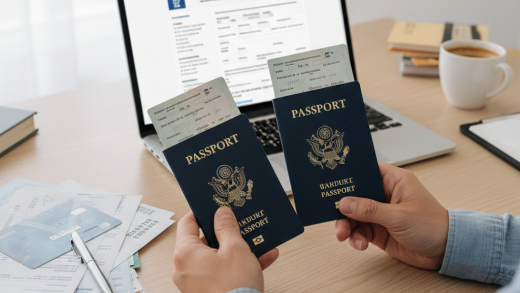
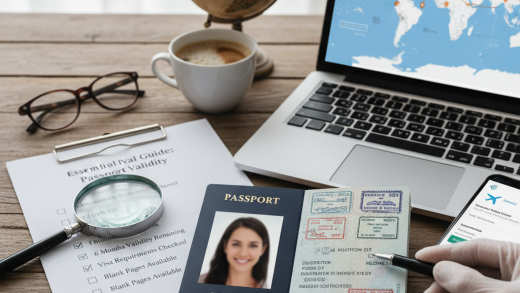
- Valid Passport: Must be valid for at least six months beyond your period of stay in the US.
- DS-160 Confirmation Page.
- Appointment Confirmation Letter.
- Visa Fee Receipt.
- Proof of Ties to Home Country: This is critical. You must prove you have strong reasons to return home, such as property deeds, employment letters, business registration, or family commitments.
- Financial Proof: Bank statements showing sufficient funds to cover your trip.
Step 6: Attend the Visa Interview
The interview is the most decisive part of the process. A consular officer will review your application and ask questions to determine if you qualify under US immigration law. The officer assumes every applicant is an intending immigrant until proven otherwise.
Tips for a successful interview:
- Be Concise: Answer only what is asked. Do not volunteer unnecessary information.
- Be Honest: Never lie or present fake documents; this can lead to a permanent ban.
- Know Your Itinerary: Be prepared to explain where you are going, why, and how you will finance the trip.
- Dress Professionally: First impressions matter. Dress as you would for a job interview.
Conclusion
Securing a US visa requires attention to detail, honesty, and preparation. By ensuring your DS-160 is accurate, your documents are organized, and your interview responses are clear and confident, you significantly improve your chances of success. Remember that the consular officer wants to see that you have a legitimate reason to visit and a compelling reason to return to your home country.