The notion of ‘activating’ a passport often leads people to believe there’s a specific, one-time action required after receiving their new document. In reality, the ‘activation’ process is more about verifying its integrity, understanding its conditions, and taking proactive measures to safeguard your travel experience. This comprehensive guide will walk you through everything you need to know, debunking myths and providing actionable steps to ensure your passport is truly ready for its global debut.
The Most Crucial First Step: Signing Your Passport
Upon receiving a new U.S. passport book, the very first and arguably most critical ‘activation’ step is to sign your passport. You will find a designated line on the data page, usually labeled ‘Signature of Bearer.’ It is imperative that you sign this line in ink. An unsigned passport is considered invalid by many immigration authorities and could lead to significant delays, or even denial of entry, at foreign borders. This simple act validates the document as yours and signifies your acceptance of its terms.
Understanding Passport Validity: The Six-Month Rule
Beyond signing, one of the most vital checks is your passport’s expiration date. While your passport might be valid for travel within its expiration period, many countries enforce a ‘six-month rule.’ This means your passport must be valid for at least six months beyond your intended date of departure from their country. Failing to meet this requirement can result in being denied boarding by your airline or refused entry upon arrival. Always check the specific entry requirements for every country you plan to visit well in advance.
Assessing Your Passport’s Condition: Is it Travel-Ready?
The physical condition of your passport is another non-negotiable aspect of its readiness. A passport that is damaged, mutilated, or significantly altered may be deemed invalid. This includes water damage, tears on pages, tampering with the biodata page, or any other significant wear and tear that might obscure information or raise suspicions about its authenticity. Before any international trip, thoroughly inspect your passport for any signs of damage. If it’s compromised, you’ll need to apply for a replacement.
Do You Need a Visa? Differentiating Passports from Visas
It’s important to understand that your passport grants you citizenship and the right to travel internationally, but it doesn’t automatically grant you entry into every country. Many nations require a visa, which is a separate endorsement placed in your passport by the destination country’s embassy or consulate. Research visa requirements for all countries on your itinerary long before your departure date. Visa applications can take weeks or even months to process, so early planning is essential.
Registering Your Travel with Your Government: The STEP Program
For U.S. citizens, a crucial step for international travel readiness is enrolling in the Smart Traveler Enrollment Program (STEP). This free service allows U.S. citizens and nationals traveling and living abroad to enroll their trip with the nearest U.S. Embassy or Consulate. Enrolling in STEP ensures that you receive important alerts from the Embassy about safety conditions in your destination country, helps the U.S. Embassy contact you in an emergency, and assists your loved ones in reaching you in a crisis.
Creating Backups: Physical and Digital Copies
While your physical passport is irreplaceable, having copies can be a lifesaver if the original is lost or stolen abroad. Make several photocopies of your passport’s biodata page (the page with your photo and personal information). Store one copy separately from your actual passport, leave one with a trusted person back home, and keep a digital copy securely stored on a cloud service or encrypted USB drive. These copies can significantly expedite the process of obtaining an emergency passport or replacement.
Safeguarding Your Passport: At Home and While Abroad
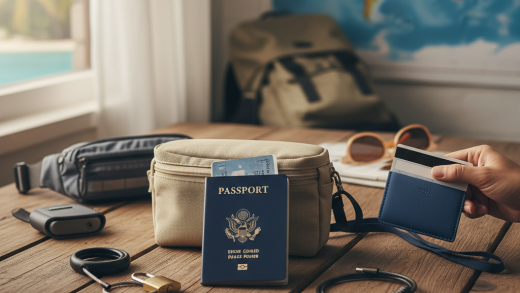
Proper storage is key to maintaining your passport’s integrity. At home, keep it in a secure, dry place, away from direct sunlight, extreme temperatures, and potential water damage. When traveling, carry your passport on your person in a secure, difficult-to-access place, such as a money belt or an inside jacket pocket. Avoid placing it in outer pockets of bags or backpacks where it can be easily pickpocketed. Only present it when required by official authorities.
What About Old Passports?
When you receive a new passport, your old passport (if you had one) will typically be returned to you after being cancelled by the passport agency. It will have holes punched through it or a corner cut off, rendering it invalid for travel. Do not attempt to use a cancelled passport for travel. However, do not discard it immediately, as it may contain valid visas or stamps that could be useful for future visa applications or simply as a record of your travels.
Special Considerations for Children’s Passports
Applying for and managing a child’s passport has additional requirements. Both parents typically need to provide consent, and the passport has a shorter validity period (5 years instead of 10). Ensure all necessary documentation, including birth certificates and parental IDs, are in order. The same rules for signing, checking validity, and physical condition apply to children’s passports.
Planning Ahead: Passport Application and Renewal Times
The true ‘activation’ of your travel plans begins with obtaining your passport well in advance. Standard passport processing times can vary significantly, especially during peak travel seasons or due to unforeseen circumstances. Always apply for a new passport or renew an expiring one at least 6-9 months before any planned international travel. Expedited services are available for urgent travel but come at an additional cost.
Passport Photo Requirements: Don’t Overlook the Details
Your passport photo is a critical component that must meet strict guidelines. Ensure your photo is recent (within the last six months), taken against a plain white or off-white background, and shows a neutral facial expression or a natural, slight smile. No glasses, hats, or uniforms are permitted. Submitting a photo that doesn’t meet these requirements is a common reason for passport application delays.
Emergency Travel and Expedited Passports
In genuine life-or-death situations or for extremely urgent travel, some countries offer expedited passport services. For U.S. citizens, this might involve making an appointment at a regional passport agency. These services are typically reserved for verifiable emergencies and require proof of travel and urgency. While a lifesaver in a pinch, it’s always best to plan far enough ahead to avoid such stressful scenarios.
Navigating Customs and Immigration Upon Arrival
Once you arrive at your destination, your passport serves as your primary identification. Be prepared to present it to immigration officials. They may ask about the purpose of your visit, your duration of stay, and your accommodation plans. Answer truthfully and concisely. Some countries also require an arrival/departure card to be filled out. Keep your passport accessible but secure throughout this process.
What to Do If Your Passport is Lost or Stolen Abroad
Despite best efforts, passports can occasionally be lost or stolen. If this happens while you are abroad, the steps are critical:
- Report it to local police immediately to obtain a police report. This is often required by your embassy.
- Contact your country’s embassy or consulate in the country you are visiting. They will guide you through the process of applying for an emergency passport, which can take several days.
- Use your copies/backups to provide necessary information for the emergency passport application.
This is where registering with STEP or similar programs proves invaluable.
Digital Scans and Passport Apps: Convenience vs. Security
While having digital copies of your passport on your phone can be convenient, be mindful of security risks. If your phone is lost or stolen, your personal information could be compromised. Use strong passwords, biometric security, and consider encrypted storage options for any sensitive documents on your devices. Some countries are experimenting with digital travel credentials, but these are not yet universally accepted replacements for a physical passport.
Regular Passport Renewals: Staying Ahead of Expiration
Passports are not permanent documents. For adults, U.S. passports are valid for 10 years. Mark your calendar for renewal well in advance of the expiration date, especially considering the six-month validity rule. Renewing an expired passport generally follows the same process as renewing an unexpired one, but proactive renewal avoids any last-minute stress.
Common Mistakes to Avoid
- Not signing your passport. As mentioned, this is a critical oversight.
- Failing to check the six-month validity rule. Many travelers get caught by this.
- Ignoring visa requirements. Don’t assume you can enter without one.
- Carrying your passport in an easily accessible pocket. Always secure it.
- Packing your passport in checked luggage. Never do this! Keep it with you.
- Damaging your passport. Treat it as a precious document.
Your Pre-Departure Passport Checklist
- Is your passport signed?
- Is it valid for at least six months beyond your return date?
- Are all pages intact and free from damage?
- Do you have all necessary visas for your destination(s)?
- Have you enrolled in your government’s traveler registration program (e.g., STEP)?
- Do you have physical and digital copies of your passport stored separately?
- Have you confirmed your passport photo meets all requirements?
- Is your passport stored securely and ready for immediate access when needed?
Conclusion: Travel with Confidence
The concept of ‘activating’ your passport is less about a single action and more about a diligent process of verification, preparation, and safeguarding. By following these essential steps – from signing your new document and checking its validity to understanding visa requirements and registering your travel – you ensure that your passport is truly ready for its purpose: enabling seamless and stress-free international adventures. Travel smart, travel prepared, and enjoy the world with confidence.