
British Columbia Holds Largest Immigration Draw of 2026 for High-Earning and High-Scoring Candidates
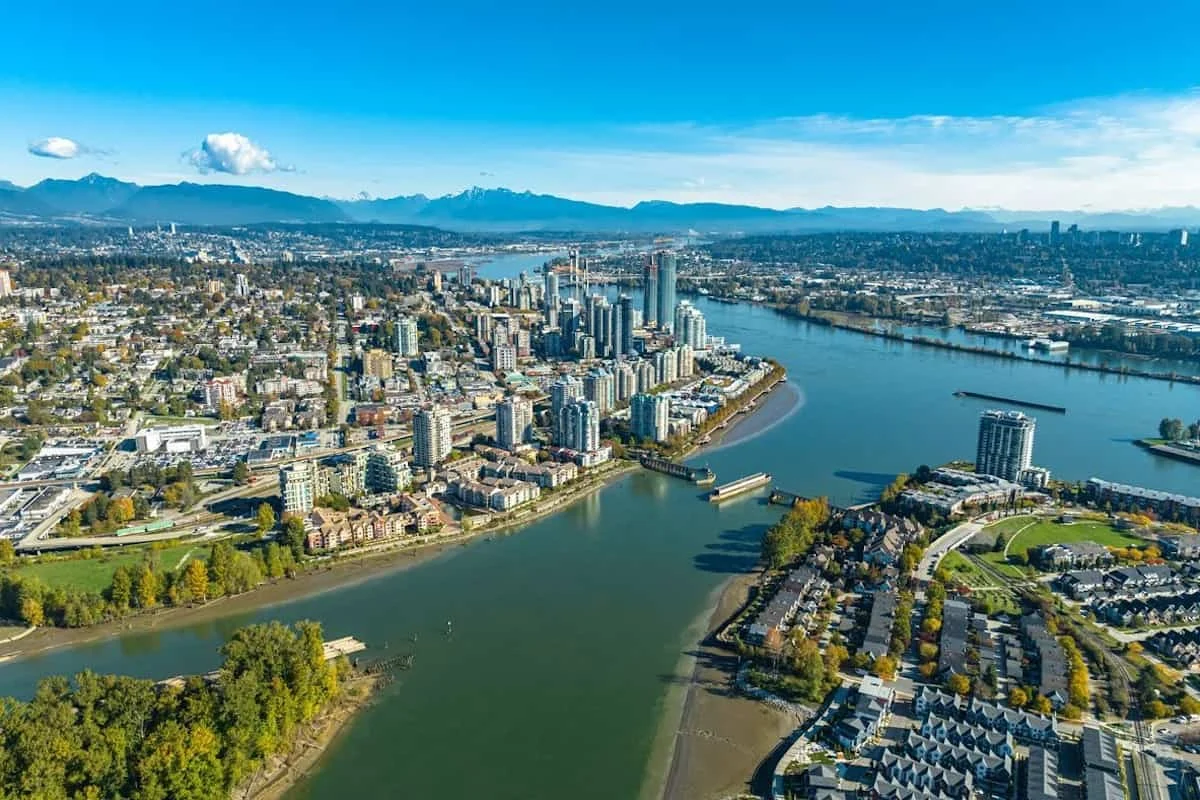
British Columbia has selected 772 workers for provincial immigration in what stands as the province’s largest economic draw of the year, targeting candidates based on their earnings, job offers, or registration scores.
The province issued the invitations on October 29, according to an update published the same day to its official Invitations to Apply web page. This latest selection marks the 29th draw conducted by British Columbia under the British Columbia Provincial Nominee Program (BCPNP) for the year 2026, continuing the province’s active approach to managing its economic immigration streams to meet regional labour market demands.
Workers who received invitations in this landmark draw will now have the opportunity to pursue Canadian permanent residence. Invited candidates are required to submit their formal applications for provincial nomination within a 30-day window following the date of the draw. Successfully securing a provincial nomination is a major milestone, as it allows candidates to apply directly to the federal government of Canada for permanent resident status.
Furthermore, once a permanent residence application has been successfully submitted, applicants who are currently residing in Canada may also become eligible to apply for a bridging open work permit, commonly known as a BOWP. This specialized permit can be issued for a duration of up to two years, ensuring that skilled workers can maintain legal authorization to live and work in the country while their permanent residency is being processed.
Applicants who successfully apply for a bridging open work permit prior to the expiration of their existing temporary work permit are legally authorized to continue working through maintained status until a final decision is reached on their BOWP application, provided they remain within Canada throughout the processing period.
In this 29th draw of the year, British Columbia evaluated candidates through two distinct pathways: wage and salary thresholds tied to qualifying job offers under Training, Education, Experience, and Responsibilities (TEER) categories 0 through 3, as well as general profile registration scores.
A total of 524 invitations were issued to candidates who possessed a qualifying TEER 0 to 3 job offer alongside an offered wage of at least $49 per hour and $99,000 per year. Meanwhile, an additional 248 invitations were allocated to candidates based purely on their registration scores, requiring a minimum threshold of 131 points.
Notably, the wage threshold of $49 per hour and $99,000 annually represents a significant milestone, falling below the $50 per hour and $100,000 per year mark for the first time in 2026. This adjustment reflects shifting economic dynamics and potentially broadens the pool of high-earning professionals who can qualify for provincial nomination under specific targeted economic initiatives.
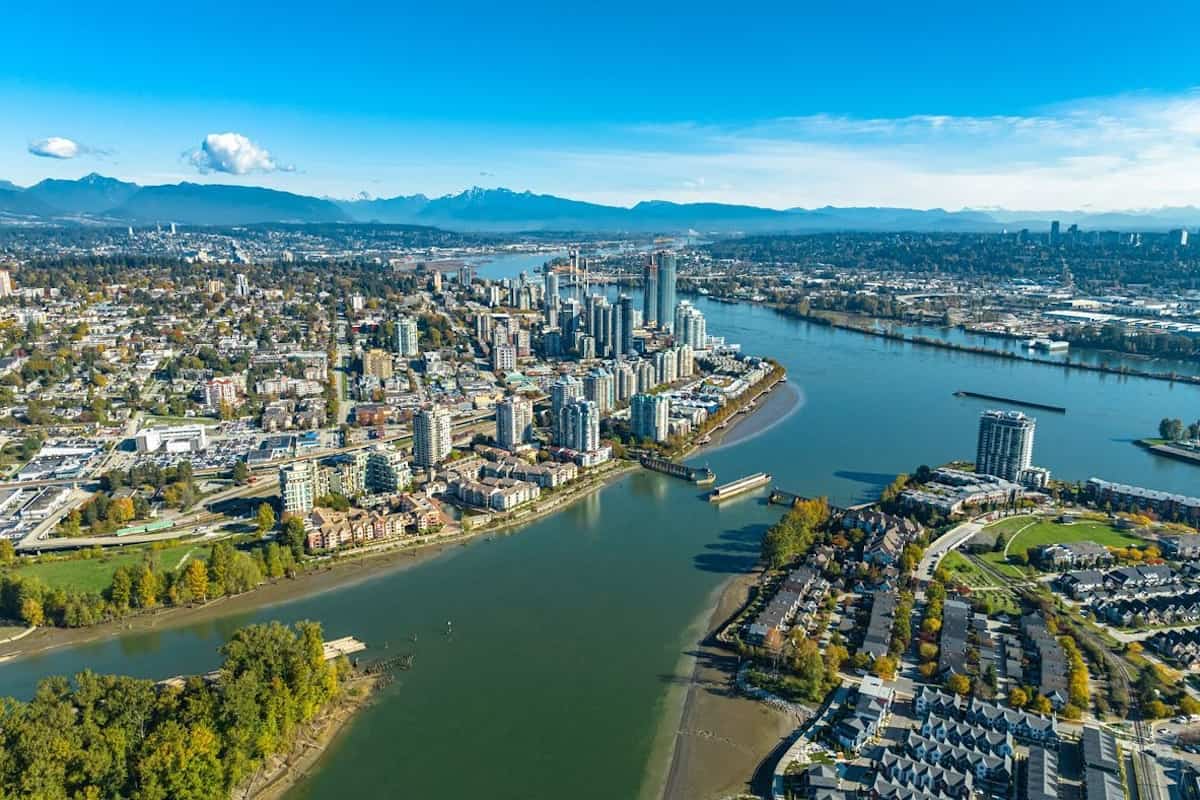
These invitations were issued under British Columbia’s "innovate" objective, a specialized immigration stream that focuses on attracting skilled workers employed across a diverse variety of high-demand occupations and sectors within the provincial economy. While the province did not publicly disclose the specific occupations or sectors represented among the candidates invited under this objective, the frequency of these rounds highlights the government’s ongoing emphasis on innovation-driven economic growth. With this latest round, British Columbia has now held nine draws aligned specifically with the innovate objective throughout 2026.
As of October 29, the BCPNP has issued a combined total of 4,746 invitations through draws specifically targeting candidates based on either wage and job offer criteria or registration scores. When looking more broadly across all worker and entrepreneur streams and selection criteria combined, the provincial program has issued no fewer than 7,220 invitations to apply for provincial nomination throughout the course of 2026.
To contextualize the evolution of the innovate-focused draws over the year, British Columbia’s previous selection rounds demonstrated progressively higher wage thresholds earlier in the year. For instance, in the draw held on September 24, candidates needed a wage of at least $52 per hour and $105,000 per year alongside a cutoff score of 131 points, resulting in 426 wage-based and 288 score-based invitations. Going further back to August 20, the wage requirement stood at a minimum of $55 per hour and $110,000 per year with a cutoff score of 132 points, yielding 337 wage-based and 265 score-based invitations.
Earlier in the summer, on July 16, the wage threshold was set at $58 per hour and $115,000 per year with a cutoff score of 132 points, producing 223 wage-based and 346 score-based invitations. During the spring, requirements were even higher; the June 18 draw required a wage of at least $62 per hour and $125,000 per year with a cutoff score of 136 points, while the May 14 draw required $59 per hour and $120,000 per year with a score cutoff of 135 points. The April 22 draw mirrored June’s wage requirement of $62 per hour and $125,000 per year but demanded a higher cutoff score of 138 points. Earlier winter draws in February also maintained elevated financial thresholds, with the February 11 draw requiring $62 per hour and a score of 135, and the February 4 draw demanding a minimum wage of $70 per hour and $145,000 per year alongside a cutoff score of 138. In every instance, wage-based selections strictly required candidates to hold a qualifying TEER 0 through 3 job offer.
The makeup of the broader provincial immigration pipeline provides additional insight into the competitiveness of the system. The BCPNP requires prospective foreign nationals to register an Expression of Interest profile before they can be considered for selection under the Skills Immigration category. Once registered, individuals receive a comprehensive score based on the information provided in their profile, placing them into corresponding registration pools from which the province draws periodically to invite competitive candidates who meet the evolving economic needs of British Columbia.
Statistical data reflecting the composition of the Skills Immigration registration pool as of October 6 indicates a total of 7,695 active profiles waiting for potential selection. The distribution of these registrants illustrates a varied landscape of candidate scores. At the lower end of the spectrum, 216 profiles held scores ranging between 0 and 59 points, while 364 profiles sat within the 60 to 69 point range.
Moving up the scoring tiers, the volume of registrants grows steadily. There were 718 profiles with scores between 70 and 79 points, and 1,281 profiles in the 80 to 89 point bracket. The largest concentrations of registered candidates were found in the mid-to-high scoring brackets, with 1,444 profiles scoring between 90 and 99 points, 1,426 profiles falling into the 100 to 109 point range, and 1,189 profiles holding scores between 110 and 119 points.
As the scores approach the thresholds typically required for competitive selection, the numbers taper off significantly. The pool contained 854 profiles with scores ranging from 120 to 129 points, and 171 profiles within the 130 to 139 point bracket. At the highest echelons of the registration pool, representation became much scarcer, with only 23 profiles holding scores between 140 and 149 points, and merely 9 profiles achieving a score of 150 points or higher, underscoring the exclusivity and competitive nature of achieving an invitation in British Columbia’s targeted provincial nomination draws.
| Source | : | Open Passport |
| Author | : | Neng Nana |
| Editor | : | Open Passport Editorial Team |
