
UK Urges Action on Libyan Electoral Roadmap and Preservation of UNSMIL Mandate
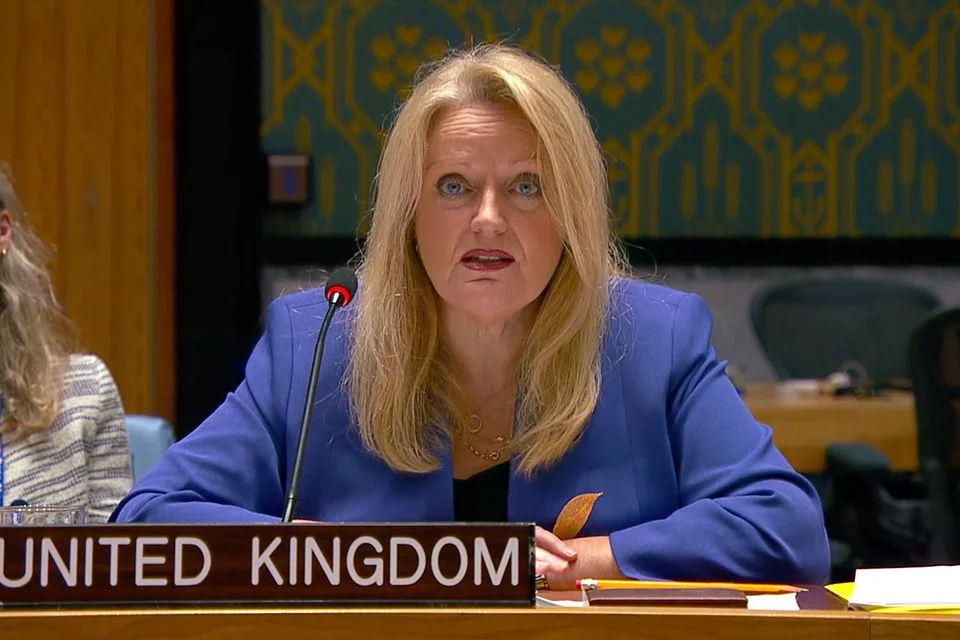
The United Kingdom has voiced strong support for the United Nations Support Mission in Libya (UNSMIL) while emphasizing that recent political momentum in the North African country must be translated into concrete action. Speaking at a session of the United Nations Security Council, the UK delegation addressed Special Representative of the Secretary-General Hannah Serwaa Tetteh, commending her ongoing efforts to guide Libya’s turbulent political process toward stability, economic recovery, and long-term democratic governance.
According to the UK representative, Libya currently stands at a crucial crossroads along the roadmap outlined by the UN mission. Recent political developments and incremental progress have created a rare window of opportunity to steer the nation away from protracted political deadlock and toward a brighter, more sustainable future. However, officials warned that this potential risks being squandered unless commitments previously made on paper are swiftly translated into tangible implementation on the ground.
A central pillar of the UK’s address focused on the outcomes of the 4+4 military committee process, which brings together representatives from eastern and western factions. The United Kingdom officially welcomed the recent agreements forged through these talks, particularly the mutual commitment from both sides to amend Libya’s complex electoral laws. The agreement to establish a framework for holding long-awaited parliamentary and presidential elections within a strict 24-month window was highlighted as a significant step forward for the divided nation.
Despite this breakthrough, the UK underscored that the success of the 4+4 process now depends entirely on the willingness of all participating stakeholders to faithfully honor the agreements they have signed. British diplomats cautioned against any attempts to reopen or relitigate settled political issues, stressing that parties must instead actively engage broader domestic stakeholders to ensure these commitments receive full recognition and backing from both legislative houses. Such collaboration is deemed vital to safeguard the delicate compromises achieved by both factions and to permanently move past a political stalemate that has repeatedly threatened to plunge the country back into widespread instability and catastrophic economic collapse.
In addition to supporting the domestic electoral roadmap, the United Kingdom emphasized the critical need to preserve and protect the core mandate of UNSMIL. The UK reaffirmed its backing for the mission’s primary responsibility: facilitating a durable, inclusive political settlement that encompasses all factions of Libyan society. Furthermore, UNSMIL must maintain its central role in supporting the reunification of Libya’s fractured political, economic, military, and security institutions, which remain splintered following years of conflict.
British officials reiterated that making steady progress toward a single, unified executive authority is an absolute prerequisite for achieving a lasting political settlement in Libya. Without a unified government capable of exercising legitimate authority across the entire national territory, efforts to rebuild the country’s shattered infrastructure and economy will remain severely compromised.
Alongside institutional reunification, the UK stressed the importance of safeguarding UNSMIL’s mandate to monitor, protect, and promote human rights and fundamental freedoms throughout Libya. This work must remain anchored within a Libyan-led and Libyan-owned process, ensuring local accountability and agency. Within this human rights framework, the UK placed special emphasis on the continued promotion of the full, equal, and meaningful participation of women at all levels of political life, peacebuilding, and public administration.
Addressing the broader security and humanitarian landscape, the United Kingdom raised serious concerns regarding ongoing reports of human rights abuses across the country. Specifically, the delegation pointed to troubling incidents involving enforced disappearances, arbitrary detentions, and destructive attacks targeting vital civilian infrastructure. The UK maintained that ensuring accountability for these human rights violations and abuses remains an absolute essential for national reconciliation.
Achieving genuine accountability, however, requires significantly enhanced independence and operational capacity within Libya’s judiciary and domestic legal institutions. These bodies must be empowered to effectively collect evidence, investigate crimes, and prosecute perpetrators without political interference. In this specific context, the United Kingdom welcomed the commitments made by the parties participating in the 4+4 meetings on October 4, where delegations pledged to make every possible effort to prevent the further fragmentation of Libya’s judiciary. Preserving an independent, unified legal system is viewed by international partners as a cornerstone for restoring the rule of law and protecting citizens from ongoing abuses.
Concluding the address to the Security Council, the UK presidency underscored that recent developments on the political and military tracks clearly demonstrate that tangible progress is entirely possible in Libya when political will is present. The international community, through the tireless work of UNSMIL and the UN Security Council, continues to provide a platform for dialogue and mediation. However, the ultimate responsibility rests with Libyan political and military actors.
The UK called upon all domestic parties to strictly honor the commitments they have publicly made, putting aside narrow factional interests for the greater good of the country. By doing so, Libyan leaders can finally deliver the democratic choice, economic opportunity, and lasting security that the long-suffering population of Libya has sought for over a decade.
| Source | : | Open Passport |
| Author | : | admin |
| Editor | : | Open Passport Editorial Team |
