Traveling abroad is an exciting adventure, but it requires meticulous preparation to ensure a smooth journey. One of the most critical aspects of planning is gathering all the necessary documentation. Missing even a single document can result in denied boarding or entry issues at your destination. This guide provides a detailed walkthrough of the essential travel documents you need for international travel to help you prepare effectively.
Basic Requirements for International Travel
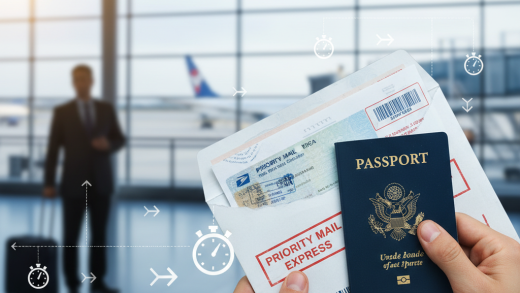
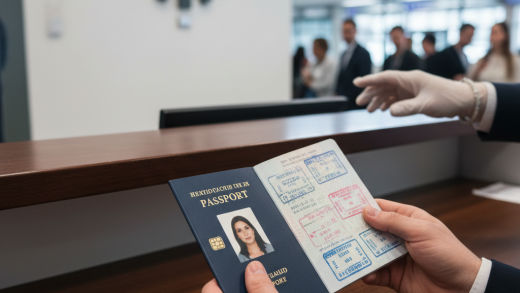
Before you start packing, you must ensure you have the foundational documents. These typically include a valid passport, appropriate visas, and proof of onward travel. Depending on your destination, you may also need specific health certifications or proof of financial sufficiency. It is vital to start this process months in advance to account for administrative processing times.
Step 1: Verify and Update Your Passport
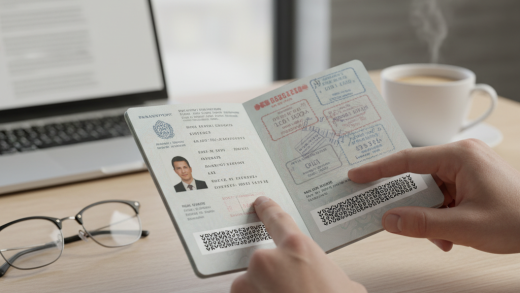
Your passport is your primary identification document abroad. Check the expiration date immediately. Most countries require that your passport be valid for at least six months beyond your planned date of departure. If it is close to expiring or lacks empty pages for stamps, apply for a renewal well in advance. Pro tip: Always check if your destination has specific rules regarding the number of blank pages required.
Step 2: Research and Apply for Necessary Visas
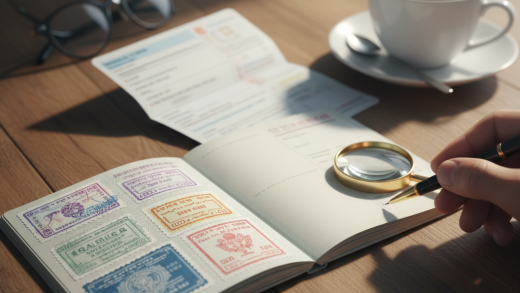
Visa requirements depend on your citizenship and the country you are visiting. Some countries offer visa-free entry, while others require an e-visa, visa-on-arrival, or a traditional sticker visa obtained from an embassy.
- Check official government websites for the most accurate information.
- Note the processing time for each visa type.
- Ensure your visa covers the entire duration of your stay.
Step 3: Secure Comprehensive Travel Insurance
While not always mandatory for entry, travel insurance is essential for protecting yourself against unforeseen circumstances. Look for a policy that covers:
- Medical emergencies and hospitalization.
- Trip cancellations or interruptions.
- Lost, stolen, or damaged luggage.
- Emergency medical evacuation.
Keep a digital and physical copy of your insurance certificate and the 24-hour emergency contact number easily accessible.
Step 4: Gather Health and Vaccination Certificates
Certain destinations require proof of specific vaccinations, such as Yellow Fever. Additionally, while many COVID-19 restrictions have eased, some countries still require proof of vaccination or specific health declarations. Check the latest health advisories from the World Health Organization (WHO) or your destination’s health department and carry your International Certificate of Vaccination or Prophylaxis (ICVP) if required.
Step 5: Create Digital and Physical Backups
Always carry physical copies of your documents, but also maintain digital backups. Scan your passport, visas, insurance policy, and flight tickets. Store them in a secure cloud-based folder or email them to yourself. This ensures that you can still access your information if your physical documents are lost or stolen during your trip.
Conclusion
Staying organized and proactive regarding your travel documents is the key to a stress-free international trip. By following these steps and double-checking the requirements for each destination, you can focus on enjoying your journey rather than worrying about paperwork. Remember that requirements can change, so always verify the latest rules shortly before your departure date. Safe travels!