Introduction to Permanent Residency
Applying for permanent residency (PR) abroad is a significant milestone for those seeking long-term stability and a sense of belonging in a new country. Unlike a temporary visa, permanent residency allows an individual to live and work indefinitely in the host nation, often providing access to social benefits, healthcare, and a clear path toward eventual citizenship. This guide outlines the universal steps and critical considerations required to navigate this complex legal process successfully.
Common Eligibility Requirements
While every nation has its own specific immigration laws, most permanent residency programs share common baseline criteria. To be considered, you will typically need to demonstrate: financial self-sufficiency to ensure you can support yourself without state assistance, language proficiency in the host country’s official language, and a clean criminal record. Additionally, many programs require a minimum period of prior legal residence on a temporary work or study visa before you are eligible to transition to permanent status.
Step 1: Identify the Right Residency Pathway
The first step is to determine which category of residency you qualify for, as each has different documentation and processing times. Common pathways include:
- Skilled Migration: Designed for professionals with high-demand skills or education.
- Investment: For individuals who contribute significant capital to the local economy or start a business.
- Family Reunification: For those with immediate family members who are already citizens or permanent residents.
- Employer Sponsorship: For workers whose companies sponsor their long-term stay based on critical labor needs.
Step 2: Prepare and Authenticate Your Documentation
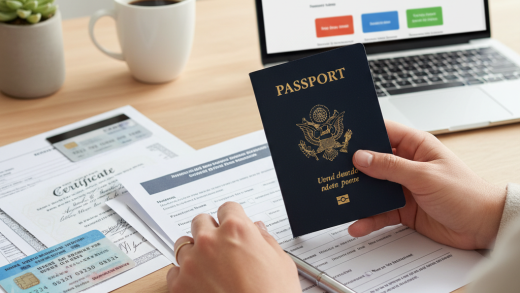
Documentation is the most critical component of the application. You will generally need to provide:
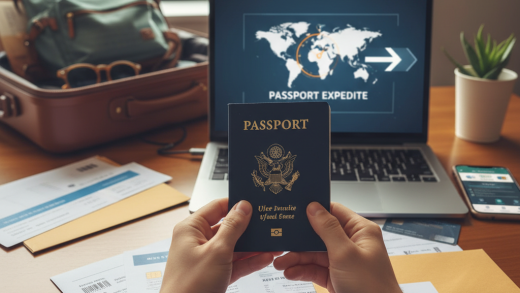
- A valid passport with at least six months of validity remaining.
- Certified and often apostilled translations of birth and marriage certificates.
- Proof of employment, tax records, or business ownership.
- Medical examination results from approved physicians to prove good health.
- Police clearance certificates from every country you have resided in for more than six months over the last decade.
Failure to provide even one minor document can lead to significant delays.
Step 3: Submit the Formal Application and Pay Fees
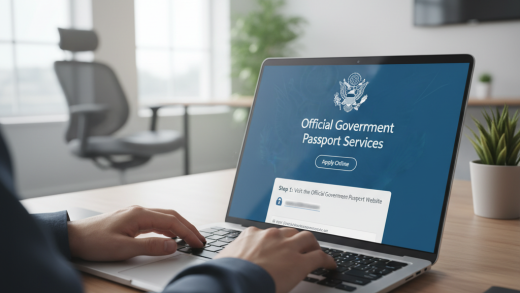
Once your dossier is complete, you must submit your application through the host country’s official immigration portal or at a designated consulate. This step usually involves paying a non-refundable processing fee, which can range from a few hundred to several thousand dollars depending on the country. It is vital to double-check that every form is signed and every question is answered truthfully, as any discrepancy or omission can be interpreted as fraud, leading to an immediate rejection and potential ban.
Step 4: Attend Biometrics Appointments and Interviews
After your application is initially reviewed and deemed complete, you may be called for a biometrics appointment to provide fingerprints and photographs for your residency card. In many jurisdictions, a formal interview with an immigration officer is also mandatory. During this interview, be prepared to discuss your background, your professional history, and your genuine intent to reside in the country. Honesty and consistency with your written application are paramount during this stage.
Conclusion
Obtaining permanent residency is a rigorous and often lengthy process that requires immense patience, organization, and attention to detail. By understanding the specific requirements of your destination and following the legal steps carefully, you can successfully transition to a permanent life abroad. It is always recommended to consult with a qualified immigration lawyer or refer to official government websites to ensure you have the most current information for your specific situation.