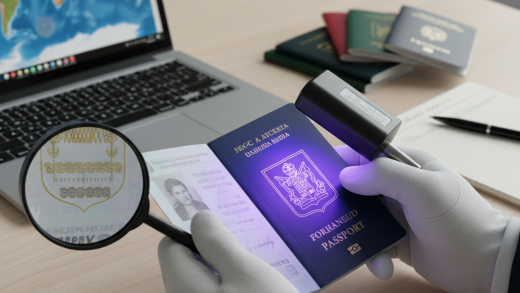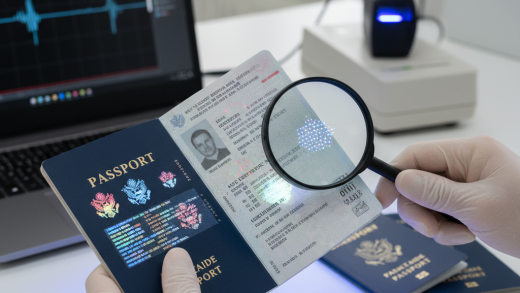
When planning international travel, one of the first administrative decisions you may face is choosing between a standard non-electronic passport (regular passport) and an electronic passport (e-passport). While both documents serve as valid proof of citizenship and identity for crossing borders, they differ significantly in technology, security, and the convenience they offer at immigration checkpoints. Understanding these distinctions is crucial for modern travelers who wish to optimize their airport experience and ensure compliance with specific country entry requirements.
1. Inspect the Cover for the Biometric Symbol
The most immediate and visible difference between the two documents lies on the front cover. To identify an e-passport, look for the small, gold-colored camera-like icon (the international symbol for an electronic passport) printed at the bottom of the cover. This symbol indicates that the booklet contains an embedded RFID (Radio Frequency Identification) chip.
A regular passport does not have this symbol. It relies solely on the printed data page and the physical security features of the paper, such as watermarks and holographic laminates, without any embedded electronic components.
2. Compare Data Storage and Security Features
The core distinction lies in how your personal data is stored. In a regular passport, your information—such as your name, date of birth, passport number, and photograph—is visually printed on the data page. Verification relies on the immigration officer visually comparing your face to the photo and scanning the Machine Readable Zone (MRZ) at the bottom of the page.
An e-passport takes security a step further. The embedded chip stores the same information found on the data page but in a digital format. Crucially, it also stores biometric data, specifically your facial features and, in many countries, your fingerprints. This makes e-passports extremely difficult to forge because the data on the chip is cryptographically signed by the issuing government. Any attempt to alter the physical page would fail when the chip is scanned.
3. Evaluate Immigration Processing Speed (Autogates)
If speed at the airport is a priority for you, this is a major differentiating factor. Holders of e-passports are often eligible to use automated border control gates, commonly known as Autogates or Smart Gates. These gates use facial recognition technology to match your live face with the biometric data stored in your passport chip, allowing you to clear immigration in seconds without speaking to an officer.
Holders of regular passports generally cannot use these automated lanes. They must queue at manual counters to be processed by an immigration officer, which can result in significantly longer wait times during peak travel seasons.
4. Check Visa Waiver Eligibility
Your choice of passport can impact your visa requirements for certain destinations. Some countries offer visa waivers or simplified entry programs exclusively to e-passport holders due to the higher security trust associated with the document.
- Example: Citizens of certain countries looking to enter the United States under the Visa Waiver Program (ESTA) are required to hold an e-passport.
- Example: In some jurisdictions (like Indonesia regarding travel to Japan), e-passport holders may be eligible for a visa waiver registration, whereas regular passport holders must apply for a standard visa sticker.
5. Consider the Cost and Durability
Due to the advanced technology embedded within the booklet, e-passports are typically more expensive to issue than regular passports. The application fee reflects the cost of the chip and the digital infrastructure required to generate the secure keys.
Additionally, e-passports require slightly more care. While they are durable, the embedded chip can be damaged if the passport is bent excessively, exposed to extreme temperatures, or stapled through the cover. A regular passport, lacking electronic components, is somewhat more forgiving of physical wear and tear, though it must still be kept in good condition to remain valid.
Conclusion
Choosing between a regular passport and an e-passport depends largely on your travel frequency and destination requirements. While a regular passport is more affordable and sufficient for general travel, the e-passport offers superior security, the convenience of autogates, and potential visa-free privileges. For frequent flyers and those traveling to countries with strict security protocols, the investment in an e-passport is highly recommended to ensure a smoother and faster travel experience.