
Navigating the Aftermath: HR Lessons and Leadership Challenges When an Interim CEO Takes Over
A sudden and unexpected CEO departure can instantly put even the most stable organization on remarkably shaky ground. While corporate boards work frantically behind closed doors to determine who should permanently take over the top job, the interim leader is immediately thrust into a crucible. They must steady a nervous executive team, manage widespread organizational uncertainty, and rapidly establish operational credibility with a workforce that may still be processing the shock of abrupt change.
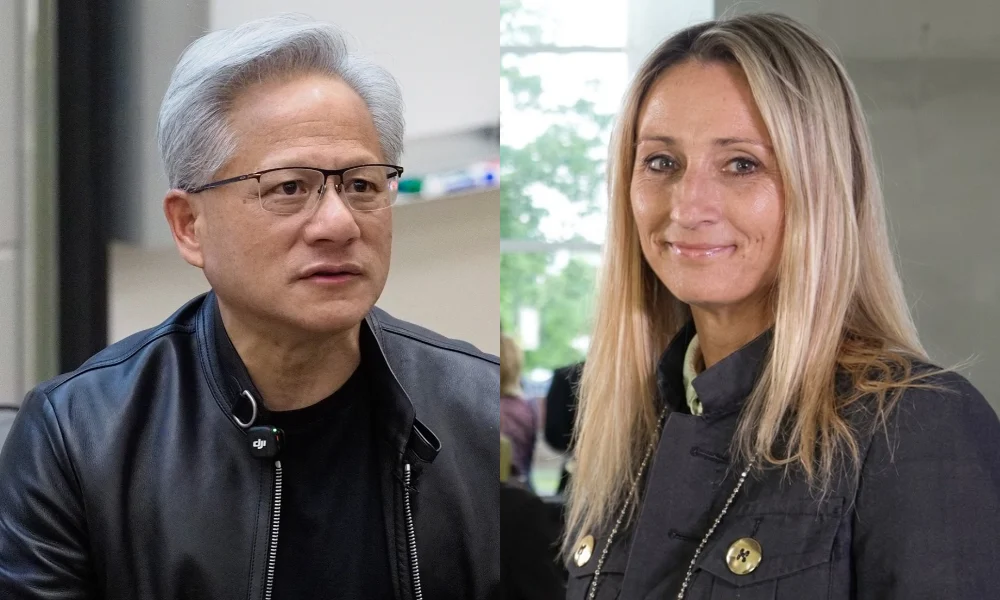
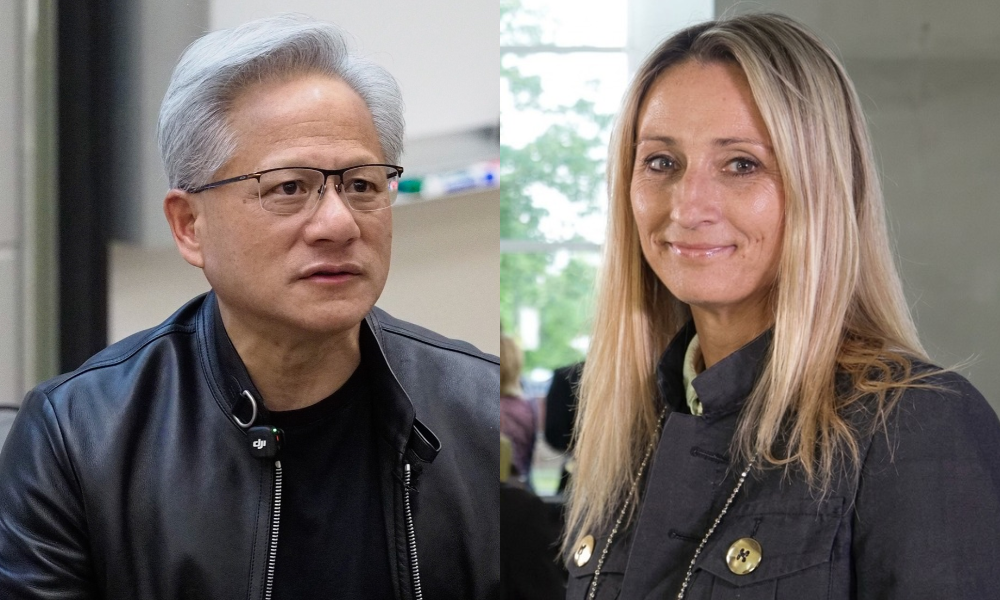
This high-stakes management challenge is currently playing out in real-time at Nvidia. Following the sudden resignation of longtime CEO Jensen Huang, Colette Kress has stepped into the breach as the company’s interim chief executive. The Nvidia board, which has firmly pushed back against mounting external and internal calls for Huang’s reinstatement, is actively searching for a permanent successor. Meanwhile, an online advocacy campaign calling for Huang’s return has rapidly gained traction, attracting thousands of signatures from individuals identifying themselves as current Nvidia employees, according to the campaign’s organizers.
Few professionals understand the complex, multifaceted challenges of navigating a sudden leadership transition better than Betsy Rodriguez. Currently serving as the president of the American Research Universities Human Resource Institute in Denver and boasting a rich background as a former Chief Human Resources Officer (CHRO) at major institutions including the University of Missouri System and Children’s Hospital Colorado, Rodriguez has successfully guided HR operations through two separate abrupt leadership departures. Drawing from her extensive career experience, Rodriguez emphasizes that stepping into an interim role requires immediate, decisive action.
"An interim is going to have to immediately establish some executive presence and build trust very, very quickly," Rodriguez said.
The Challenge of Following a Popular CEO
One of the most formidable hurdles an interim CEO faces is establishing independent authority and command, particularly if their high-profile predecessor remains closely tied to the organization or looms large in the corporate culture. Rodriguez notes that while a former CEO’s continued presence can sometimes help smooth a handover under controlled circumstances, it can also significantly complicate an interim leader’s ability to step fully into the role, especially if the workforce remains deeply loyal to the executive who departed.
At Nvidia, the vocal online campaign calling for Huang’s return indicates that Kress could face distinct pockets of internal resistance. Addressing this dynamic head-on is critical for maintaining operational momentum. Rodriguez suggests that Kress must assert herself as the definitive leader of the organization, provided she has the unequivocal backing of the board of directors.
"I think she has to establish herself as the CEO regardless of how people feel and ask for their trust and for them to get on board with her," Rodriguez said.
Even with strong governance support, Rodriguez describes the assignment as an uphill battle for Kress, particularly given the profound level of personal and professional support the departing executive commands across the enterprise.
At the same time, Rodriguez points out that the transition dynamic can occasionally be influenced by whether the interim leader is angling for the permanent post. If employees know the interim executive is strictly serving a temporary placeholder function to maintain operational continuity rather than seeking the job permanently, they may be more inclined to offer cooperation and stability while the board conducts its exhaustive search for a long-term successor.
Keeping the Leadership Team Together
While Kress has already made high-profile public gestures—including hosting the company’s first all-hands meeting since Huang’s departure—Rodriguez stresses that the most consequential work for an interim chief executive typically happens quietly behind the scenes. Maintaining absolute unity among the executive leadership team is paramount during moments of intense corporate turbulence.
"It’s great that she’s meeting publicly with the employees, but it’s really ensuring that her whole team is supporting her and not kind of splintering off," Rodriguez noted.
This is precisely where the CHRO steps into an indispensable strategic role. Rodriguez explains that human resources leaders must cultivate an environment where senior executives feel genuinely comfortable voicing their concerns, processing their personal reactions to the sudden exit, and aligning their operational strategies with the interim leader’s vision.
"Anytime there’s an interim CEO, especially if it’s sudden, the CHRO is in a really important position in terms of having to make sure that the executive team is speaking as one voice," she said.
Furthermore, the CHRO must act as a trusted confidant and direct source of emotional and strategic support for the interim CEO. Sudden leadership exits inevitably stir up competing emotions and anxieties among top executives who may have worked side-by-side with the previous leader for years. Some leaders may harbor intense personal loyalty to the departed executive, while others may quietly worry about their own standing, power, and future within the restructured hierarchy.
Given these competing internal dynamics, Rodriguez warns that the risk of losing key leaders to resignation is a very real possibility. To mitigate this threat, she advises that both the interim CEO and the CHRO carve out dedicated time for individual, one-on-one conversations with every member of the senior leadership team.
"Let them vent, let them deal with what’s going on," she said. "Try to find out if there is a flight risk."
Recent media reports have already highlighted these vulnerabilities. According to reports from CNBC, a senior Nvidia employee recently warned the board in a letter that the firm risks losing irreplaceable talent if leadership fails to seriously consider reinstating Huang. Beyond internal friction, Rodriguez cautions that external competitors frequently view leadership transitions as prime windows of opportunity to poach top-tier talent.
"To me, it’s also a time when other corporations are going to start wanting to pick off some talent," she said. "It’s a good time to do that. So I think you have to be very aware of that."
This competitive threat underscores the critical importance of robust succession planning. Rodriguez emphasizes that modern corporations must maintain active backup plans and ready themselves to pivot immediately in the event that key members of the executive suite decide to walk out the door.
What Boards and CHROs Can Learn from Sudden Exits
Having navigated the messy realities of sudden leadership departures firsthand, Rodriguez understands intimately how chaotic the process becomes when a corporate board is caught unprepared. In both of the abrupt presidential exits where she managed the HR functions, the respective governing boards had long-term strategic succession plans in place for planned retirements, but they utterly lacked emergency protocols detailing who would step in during an unexpected crisis.
"The board had a succession plan that was kind of a long-term development plan but didn’t have an emergency plan," she recalled.
The operational contexts for those departures varied wildly. In one instance, a president stepped down due to unforeseen family circumstances and actively assisted in appointing a transitional interim, paving the way for a relatively smooth handoff. In the other scenario, however, a mismanaged organizational crisis culminated in the president resigning abruptly on national television.
"The board absolutely did not have an interim in place, and that was the most difficult thing," Rodriguez said.
Within 24 hours of that public resignation, Rodriguez found herself scrambling alongside board members to identify someone capable of steering the institution.
"There wasn’t a logical choice," she said. "And because of the crisis that happened, it was even more difficult to find someone who would even want to do it."
Having a designated emergency successor identified and vetted in advance can effectively spare an organization from this kind of chaotic scramble. Academic experts who study corporate governance share similar concerns. Anthony Nyberg, a professor at the University of South Carolina’s Darla Moore School of Business who researches CEO succession, has noted that corporate boards ultimately answer directly to shareholders when it comes to maintaining a ready succession strategy. A 2005 research report co-authored by Nyberg and Ani Huang of the HR Policy Association highlighted that even when organizations formally name emergency successors, those transition blueprints are rarely stress-tested or kept up-to-date against changing business environments.
Yet, identifying an interim leader is only one piece of the puzzle. Rodriguez’s professional experiences reinforced the vital truth that executive teams tend to fracture internally not out of malice, but simply because individuals process major organizational shocks differently.
"The executive team falls apart, not because they’re bad people," she said. "Everybody has their own emotions about it."
This human reality places the CHRO in a pivotal position to bridge divides, foster alignment, and provide steadying institutional guidance while the entire enterprise adapts to a new command structure. Rodriguez stresses that human resources leaders should never wait for an invitation to step up during a crisis.
"This is the time where a CHRO can really show their value," she said. "It’s an opportunity to really make an impact on the organization in a really difficult time, and whether or not the CHRO is asked, they need to really step up and take a lead role in what’s going on."
| Source | : | Open Passport |
| Author | : | Layla Zulfa |
| Editor | : | Open Passport Editorial Team |
