
Why a House-Hunting Checklist Is Your Best Defense Against Emotional Homebuying
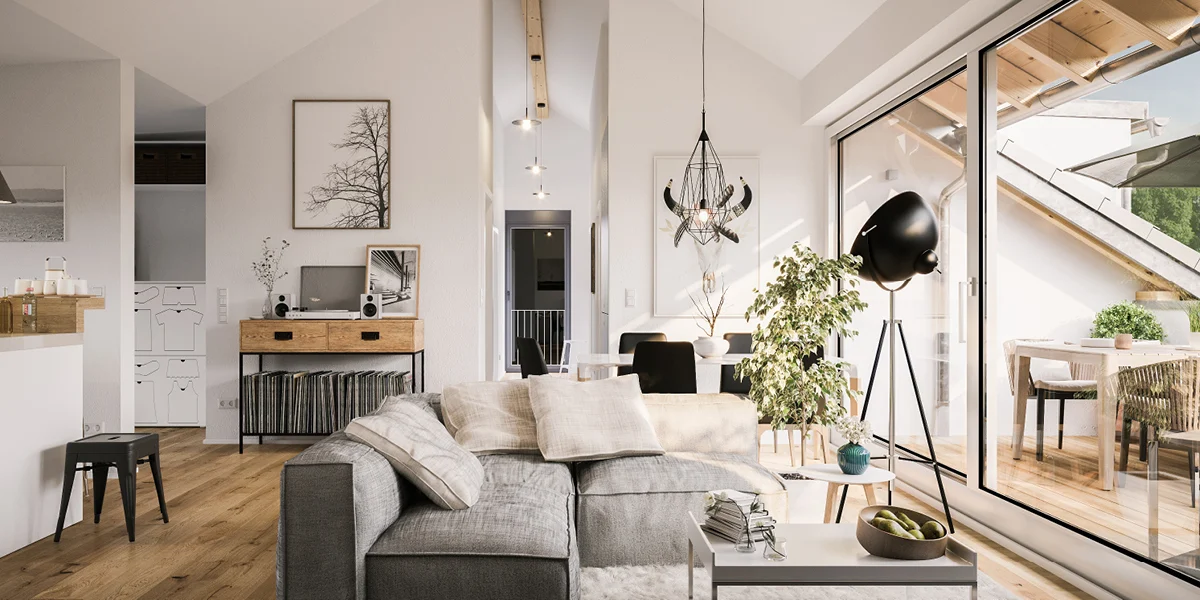
When touring a home, it is remarkably easy to be swayed by attractive finishes, staging, and superficial upgrades. A fresh coat of paint, gleaming hardwood floors, or a newly updated bathroom can easily blind a prospective buyer to structural flaws or financial realities. However, real estate professionals and housing experts continually emphasize that a house that looks appealing during an afternoon showing may ultimately fail to fit a buyer’s budget, daily routine, or long-term needs. To cut through the emotional haze of open houses and private viewings, experienced buyers are increasingly relying on a systematic house-hunting checklist, transforming a subjective and stressful search into a structured and objective evaluation process.
The primary objective of utilizing a structured checklist is not necessarily to track down a mythical unicorn property featuring every single desirable amenity on a buyer’s wish list. Instead, the goal is to clearly identify core needs, separate them from mere wants, and carefully weigh the compromises that will inevitably have to be made in a competitive real estate market. Without a consistent framework for comparison, buyers frequently fall victim to first impressions, making high-stakes financial decisions based on how a living room is decorated rather than how the plumbing functions or whether the property aligns with their financial future.
What Is a House-Hunting Checklist and How to Build One
At its core, a house-hunting checklist is a curated set of features, metrics, and targeted questions used to objectively evaluate potential homes across multiple visits. Rather than relying on memory, which inevitably fades or blurs after touring three or four properties in a single weekend, a checklist provides a standardized scorecard covering price points, geographical locations, interior layouts, structural conditions, neighborhood amenities, and future resale potential.
Establishing an effective evaluation tool begins long before stepping foot inside a property. Real estate advisors recommend dividing priorities into three distinct categories: absolute non-negotiables, desirable features that would be nice to have, and flexible items where compromises are acceptable. However, experts warn that keeping the list realistic is paramount. A rigidly long list of non-negotiables can easily eliminate otherwise suitable properties, particularly during periods of low housing inventory when buyers face fierce competition.
Start With Your Budget and Long-Term Plans
Before becoming captivated by custom kitchen backsplashes or expansive master suites, prospective buyers must evaluate how a prospective property fits their immediate finances and long-term life plans. Financial planners advise asking foundational questions regarding monthly affordability, emergency funds, and how long the buyer intends to stay in the home.
Crucially, buyers must remember that the purchase price is only one component of the overall cost of homeownership. Property taxes, homeowners insurance, mandatory homeowners association (HOA) dues, monthly utilities, and ongoing maintenance and repairs can substantially affect a household’s monthly budget. Overlooking these recurring expenses can quickly turn a dream home into a financial burden. Buyers should also factor in associated transaction expenses, such as closing costs, which can add thousands of dollars to the initial cash requirement.
Evaluate the Interior Layout and Practical Space
Square footage numbers can be notoriously deceptive. Two houses with identical square footage can feel completely different based entirely on how their floor plans are engineered. An inefficient layout can make a large home feel cramped, while a well-designed smaller space can maximize every square foot.
When evaluating bedrooms and bathrooms, buyers need to consider more than just room counts; room dimensions are equally critical. Real estate agents frequently advise clients to measure important pieces of furniture beforehand to determine whether bulky dressers, king-sized beds, or sectional sofas will fit comfortably without blocking doorways or tight walkways.
Living and dining areas require a similar practical assessment. Buyers must ask whether a specific layout supports their daily activities and lifestyle. While open floor plans continue to dominate modern real estate trends because they facilitate entertaining and casual interaction, separate rooms often offer invaluable privacy and superior noise control. Neither arrangement is inherently superior; the right choice depends entirely on where members of a household work, relax, study, and gather.
Kitchens demand particularly rigorous scrutiny. Beyond visual aesthetics, buyers should inspect the functionality of the space, including the availability of practical storage, counter workspace, and the placement of appliances. A visually striking kitchen can quickly become a daily frustration if it lacks adequate cabinet space or forces awkward traffic patterns.
Storage and laundry facilities are another frequent blind spot for enthusiastic buyers. Looking closely at hallway closets, pantry space, linen storage, garage dimensions, and accessible laundry areas prevents future organizational headaches. While basements and attics can provide tremendous storage utility, buyers must evaluate moisture levels, access points, and temperature controls before factoring that space into their daily lives.
Accessibility is also becoming an increasingly important consideration, even for younger buyers. Stairs, narrow hallways, tight bathroom configurations, and multi-level floor plans may function perfectly today but could become major hurdles if mobility needs change over time. Evaluating whether modifications are feasible is an essential part of assessing a home’s long-term viability.
Check the Home’s Systems and Overall Condition
While a brief walk-through during a showing can never substitute for a comprehensive professional home inspection, it serves as the vital first line of defense for identifying critical questions. Buyers should pay close attention to visible indicators of wear and tear, including the condition of roofs, windows, foundational walls, electrical panels, and plumbing fixtures.
Asking about the age and maintenance history of major mechanical systems—such as the furnace, air conditioner, and water heater—is essential. Buyers must avoid the common trap of assuming that a newly painted wall or a recently updated surface implies that the underlying structural and mechanical components are in equally good condition. Engaging qualified home inspectors and specialized contractors before contractual deadlines expire remains the safest way to uncover hidden liabilities.
Examine the Exterior and Lot Dynamics
A property’s exterior directly influences ongoing maintenance responsibilities, daily usability, and sometimes even insurance premiums. Garage dimensions and parking spaces require a practical test: vehicles should fit comfortably, and street parking regulations or driveway slopes should be evaluated for daily convenience.
Yards and landscaping features demand an honest assessment of maintenance capacity. While a sprawling, heavily landscaped yard may look impressive during a weekend showing, it requires significant weekly upkeep, time, and financial investment. Outdoor living areas such as decks, patios, and porches should be inspected for visible wood rot, structural settling, or general deterioration, with appropriate questions asked regarding past permits and maintenance records.
Furthermore, a home’s orientation and surrounding trees or buildings profoundly impact natural light. Visiting a property at different times of day can reveal drastic shifts in lighting; a room that feels bright and welcoming during a morning showing may turn dark and dreary in the afternoon.
Evaluate the Neighborhood and Location
Because a home’s location is virtually impossible to change after purchase, evaluating the surrounding neighborhood is just as important as inspecting the structure itself. Commute times, proximity to essential services, traffic patterns, and general neighborhood ambiance all directly impact daily quality of life.
Experts caution against relying solely on a neighborhood’s general reputation. Prospective buyers are encouraged to visit the location at various times of day and on different days of the week to observe traffic flow, noise levels, and neighborhood activity. For flood exposure risks, buyers should consult official resources like the FEMA Flood Map Service Center, keeping in mind that local maps may not capture every potential source of localized flooding. Similarly, families prioritizing local education must verify current attendance boundaries directly with school districts, as assignment policies are subject to change.
Decide Which Renovations You Are Willing to Accept
Very few properties on the market will match every single item on a buyer’s wish list. Consequently, identifying acceptable improvements versus deal-breaking flaws before submitting an offer is critical. Cosmetic updates, such as interior painting or swapping out light fixtures, are generally manageable DIY projects or minor expenses. However, major structural work involving foundations, roofing systems, plumbing overhauls, or electrical rewiring can quickly become financially overwhelming and logistically complicated.
For buyers considering fixer-uppers, securing professional contractor estimates and building a generous financial contingency for unexpected complications is essential. Assumptions that every desired renovation will receive local zoning permits or prove structurally practical can lead to costly regrets.
Maintain Consistency Across Every Showing
To prevent decision fatigue and emotional bias, buyers should record core information systematically during every single property tour. Tracking metrics such as estimated monthly costs, commute viability, functional layout, visible condition, storage capacity, and required renovations allows for an objective post-showing review. Taking photographs and keeping detailed notes helps preserve accurate impressions, making it far easier to distinguish a genuine property advantage from a superficial feature that merely captivated the buyer during the initial showing.
Ultimately, the most effective house-hunting strategy reflects the reality of how a buyer actually lives, balancing financial discipline with practical lifestyle needs.
| Source | : | Open Passport |
| Author | : | Dwi Wanna |
| Editor | : | Open Passport Editorial Team |
