
Travelers Want Less Screen Time and More Time on the Water
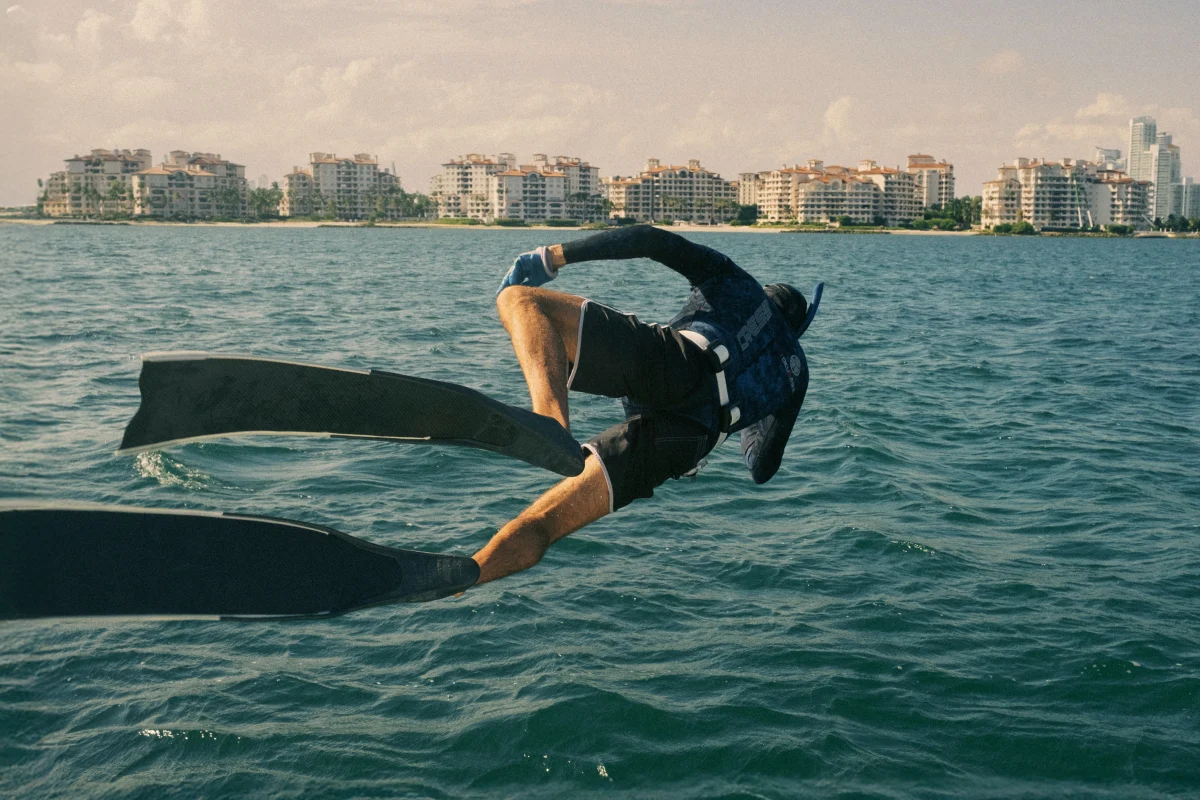
This growing disenchantment with the digital realm is translating directly into a massive surge in demand for outdoor recreation, water-based excursions, and immersive nature travel. As travelers increasingly prioritize mental well-being and genuine human connection over screen-based entertainment, the broader hospitality and tourism ecosystem is facing both a new challenge and a lucrative opportunity to adapt.
Travelers Are Logging Off and Heading Outside
The data compiled in Boatsetter’s 2026 Great Outdoor Shift survey paints a vivid picture of a populace actively combating digital fatigue. An overwhelming 77 percent of survey respondents reported that they had already taken concrete steps to reduce their daily screen time and social media consumption. More tellingly, 63 percent stated that they would willingly trade their remaining screen time for moments spent directly on or near the water. This retreat from the digital landscape is deeply rooted in health and wellness motivations, with 84 percent of participants affirming that spending time outdoors is essential for maintaining their mental health.
Michael Farb, CEO of Boatsetter, noted that this movement goes beyond a simple trend, reflecting a fundamental human need for grounding and perspective in an increasingly overwhelming world. People are not just tired of looking at their devices; they are actively seeking environments that foster presence and humility.
"People aren’t just tired of their screens. They want something that makes them feel small and present. That’s what awe does, and it’s why time on the water with friends keeps topping the list of what Americans want most," Farb said.
The statistical evidence matches this sentiment. A comparative analysis of Boatsetter’s surveys reveals a striking 64 percent increase in the number of individuals who attempted fishing or paddlesports, indicating a massive surge in active participation across these recreational sectors. Independent research from industry giant Tripadvisor reinforces these findings. According to Tripadvisor’s 2026 Mid-Year Experiences Trends Report, U.S. bookings on the platform experienced dramatic growth during the first half of 2026, jumping 57 percent for fishing charters and 37 percent for boat rentals compared to the same period in 2025.
For hotels, destinations, and a wide array of travel providers, these shifting metrics point to an escalating demand for experiential travel that brings people deeply into a destination, rather than simply positioning them around its periphery.
This appetite for active, social travel is further highlighted by Boatsetter’s findings, which show that spending time on the water with friends remains the single most desired experience among consumers. Financial intent is climbing in tandem with enthusiasm. Roughly 82 percent of respondents plan to increase their spending on outdoor and water activities in 2027. Moreover, the intensity of this spending intent has shifted: 37.5 percent of respondents in the 2026 survey indicated an intention to spend significantly more on these activities, a notable jump from the 23.4 percent who reported the same sentiment in Boatsetter’s 2025 survey. For hospitality brands, the practical takeaway lies in actively bridging the gap between guests and local operators, offering streamlined access to guided excursions, rentals, and curated outdoor adventures.
The psychological pull toward nature extends far beyond aquatic pursuits, permeating the entire spectrum of leisure travel. Hilton’s 2026 Trends Report, which gathered insights from 14,000 adults across 13 countries who plan to travel within a 12-month window, identified rest and recharging as the absolute primary motivation for leisure travel, cited by 56 percent of respondents. Furthermore, spending time in nature ranked near the top of traveler priorities, with 37 percent explicitly citing it as a major travel desire. Both datasets reinforce the reality that modern travelers are actively seeking out environments that allow them to step away from their daily routines and recover from cognitive overload.
Hotels Can Turn Interest in the Outdoors Into Bookings
When considered collectively, these diverse industry findings suggest a vital evolution for travel companies. Providing a picturesque view of nature from a hotel window is no longer sufficient to satisfy the modern consumer. Looking toward 2027, hotels, regional tourism boards, and industry partners have a clear mandate to make shared outdoor activities far more accessible. This can be achieved through strategic local partnerships, transparent and frictionless booking options, and a diverse array of curated experiences tailored to varying demographic interests and physical skill levels. The core opportunity for the hospitality sector is to help guests successfully follow through on the outdoor adventures they are already yearning to experience.
Industry leaders recognize that overcoming friction is the key to capturing this market. Consumers who are eager to disconnect and immerse themselves in nature expect the digital tools they use to plan their trips to simplify the process rather than complicate it.
"We’ve known the desire to get outside is there. What’s changing is that people are acting on it, and they expect technology to help, not get in the way. Our job is to make the outdoor experiences they want easy to reach," Farb added.
| Source | : | Open Passport |
| Author | : | Asro |
| Editor | : | Open Passport Editorial Team |
