
United Airlines Expands Transatlantic Reach With New Nonstop Routes to Three Underrated European Cities
For years, the standard American itinerary for a European getaway has remained remarkably consistent, often funneled into a predictable circuit of London, Paris, and Rome. While these global icons undoubtedly hold their charm, the saturation of these hubs often results in long lines, crowded transit terminals, and the feeling that one is merely following a well-trodden path. However, for travelers seeking a more authentic, less congested "Old World" experience, the landscape of transatlantic travel is shifting.
United Airlines has officially announced a significant expansion of its flight map for 2027, introducing three new nonstop routes that connect the United States directly to destinations that have long remained under the radar for the average North American tourist. By bypassing the necessity for chaotic, time-consuming connections in major European gateways, these new services promise a more seamless entry into some of the continent’s most captivating, albeit lesser-known, medieval urban centers.
Discovering the Alpine Charm of Ljubljana, Slovenia
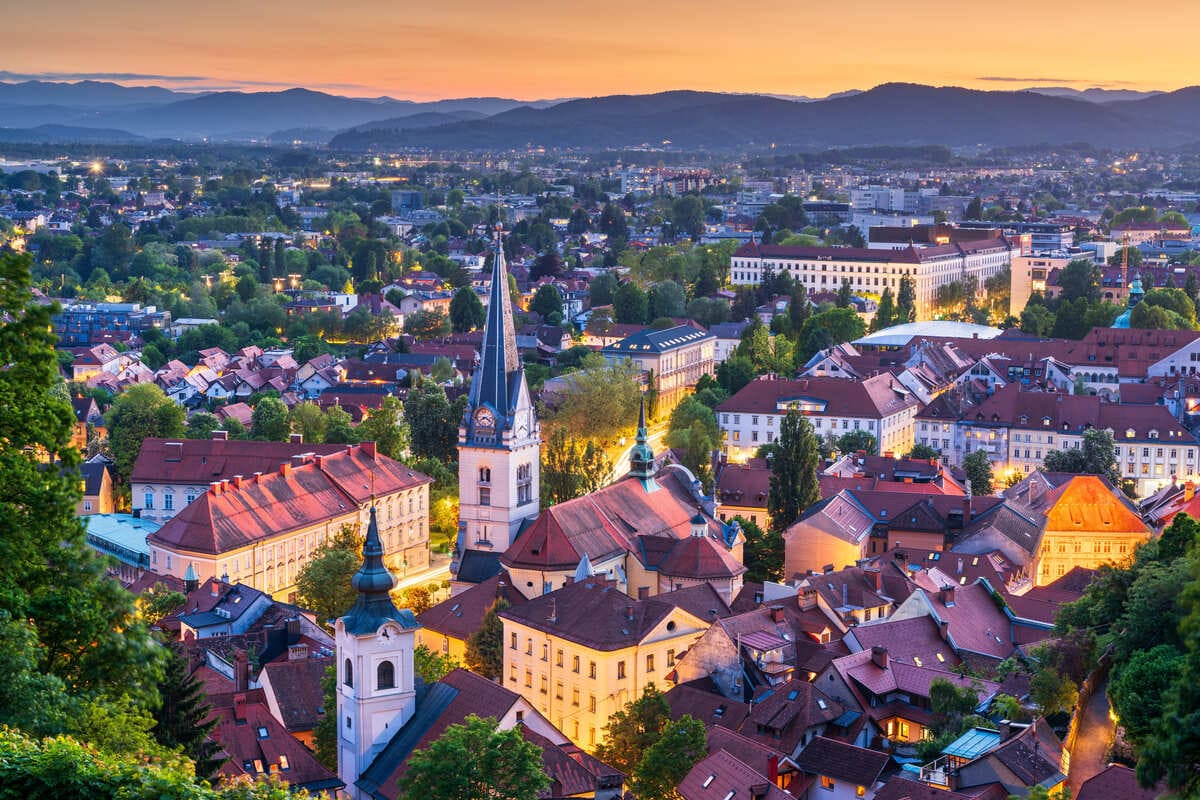
Beginning in May 2027, travelers will be able to fly nonstop from Newark to Ljubljana, Slovenia. This route, operated four times weekly on a Boeing 767, offers an accessible gateway to a country that has quietly become one of Europe’s most intriguing hidden gems. Slovenia is defined by its dramatic topography—a blend of snow-capped Alpine peaks, crystal-clear glacial lakes, and a capital city that feels as though it were plucked from the pages of a storybook.
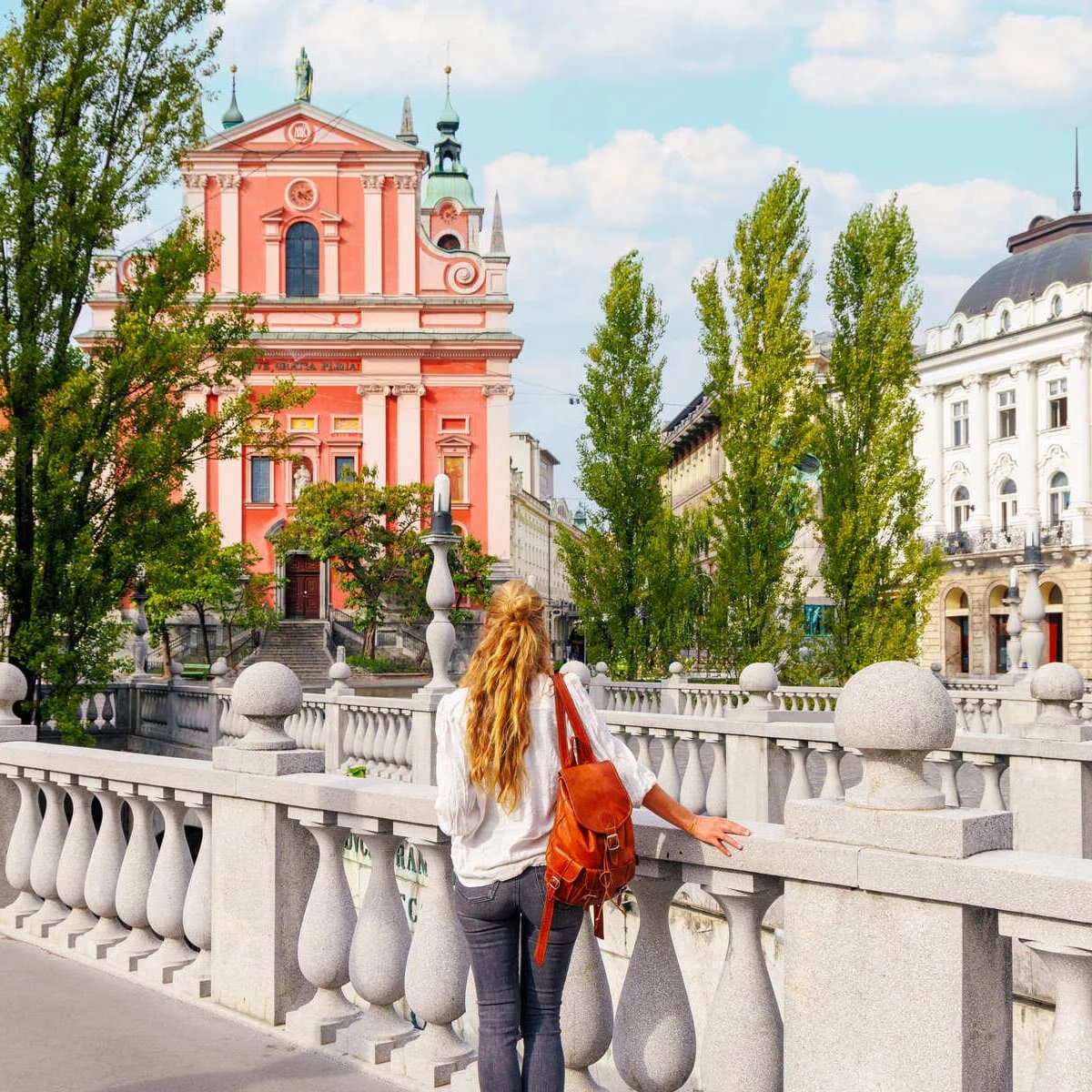
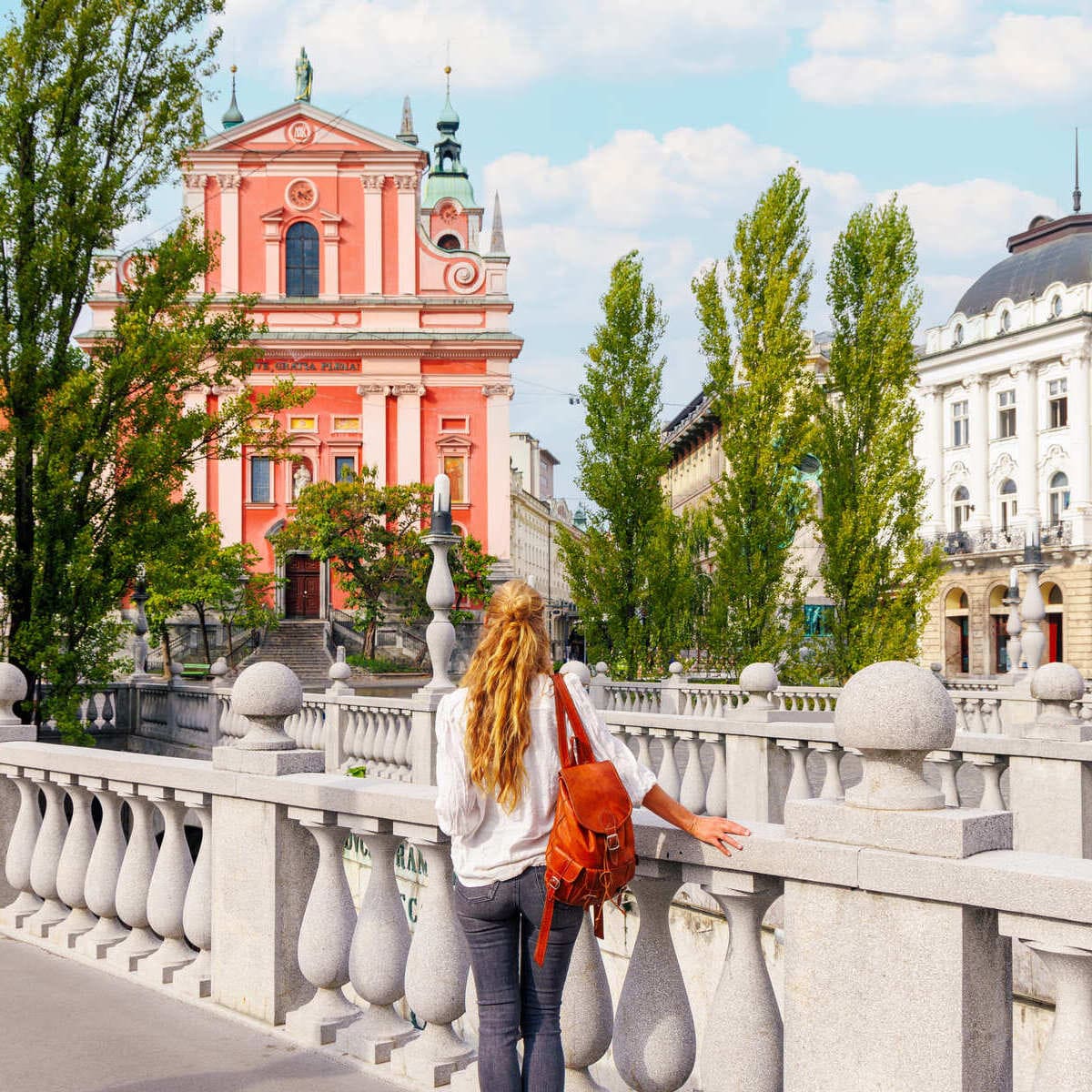
Upon landing at Ljubljana Jože Pučnik Airport, which is located just 16 miles from the city center, passengers can reach the urban heart of the capital in approximately 40 to 50 minutes via public transport. The city itself is a marvel of medieval preservation. Its historic core is characterized by winding, pedestrian-friendly lanes that follow the path of the fast-flowing Ljubljanica River. The architecture is a testament to the region’s complex history, featuring iconic stone bridges—most notably the "Triple Bridge"—and a landscape guarded by the mythical dragon motifs that are central to local folklore.
The experience of exploring Ljubljana is inherently leisurely. A twenty-minute stroll from the riverfront up to the hilltop Ljubljana Castle offers a journey past elegant Habsburg-era facades and artisanal bakeries. For those seeking a culinary experience that matches the dramatic surroundings, the castle houses Strelec, an award-winning restaurant located within one of the historic towers. It is a favored spot for travelers looking to indulge in seasonal, locally sourced tasting menus, often featuring sophisticated preparations like pork belly accented with red currant and yeast, all set against a backdrop of mountain vistas.
Beyond the capital, the proximity of Slovenia’s natural wonders is a major draw. A short bus ride of roughly 60 to 80 minutes brings visitors to Lake Bled, perhaps the most iconic image of the country. With its mirror-like waters, mountainous backdrop, and a picturesque church situated on a central islet, the area is a prime destination for those looking to escape the hustle of larger cities. Proactive travelers often recommend arriving early in the day to rent a kayak and reach the church island before the midday crowds arrive, followed by a hike up to Bled Castle for an expansive, panoramic view of the Julian Alps.

The Historic Grandeur of Luxembourg City
Also joining the United Airlines network in April 2027 is a daily service from Newark to Luxembourg City. This route will be serviced by the Airbus A321XLR, providing a convenient link to the heart of the Grand Duchy. Luxembourg is frequently overlooked by international tourists, yet it remains one of the most culturally significant and historically rich pockets of Western Europe, uniquely positioned at the crossroads of France, Germany, and Belgium.
Luxembourg City offers a distinct, dual-layered urban experience. Its UNESCO-protected center is divided into an elevated "Upper Town," characterized by monumental cathedrals and ancient ramparts, and the "Grund," a lower-lying district nestled in the river valley that is filled with intimate coffee shops and riverfront terraces.

While Brussels is often cited as the political capital of Europe, Luxembourg shares this prestigious title, hosting several key European institutions, including the Court of Justice of the European Union and the European Investment Bank. This institutional presence lends a modern, international flair to the Kirchberg district, which stands in stark contrast to the medieval core of the city.
One of the most remarkable aspects of visiting the Grand Duchy is the accessibility of the country. Luxembourg has implemented a policy of free public transportation, allowing residents and tourists alike to travel throughout the country via buses, trams, and second-class trains without the need for individual tickets or complex reservations. This facilitates easy exploration beyond the capital, with the village of Vianden being a standout "side quest" for visitors. Located near the German border, Vianden is home to a massive, medieval fortress that once captured the imagination of the French literary giant Victor Hugo. Hugo was so enamored with the location that he spent several weeks in exile there during the 19th century, and his former residence has been preserved as a museum.

The "Pink City" of Toulouse, France
The third destination in United’s 2027 expansion is Toulouse, France, which will be served by daily nonstop flights from Washington Dulles beginning in April 2027. Operated by the Airbus A321XLR, this route connects the U.S. capital region directly to the Ville Rose, or "Pink City," a destination that has garnered significant acclaim, including being named a top global destination by travel authorities like Lonely Planet.
Toulouse derives its famous nickname from the unique aesthetic of its Old Town, which is largely constructed from peach-coral terracotta bricks that seem to radiate a warm, pink hue under the setting sun. The city is a vibrant blend of French heritage, offering the elegance of Paris combined with a warmer, southern climate and a culinary scene that rivals the gastronomic reputation of Lyon.

Historical landmarks are abundant in Toulouse. The Basilica of Saint-Sernin, an 11th-century Romanesque structure, stands as one of the most significant churches in Europe and remains a vital waypoint for pilgrims traveling the Camino de Santiago. For those interested in Gothic architecture, the Couvent des Jacobins is an essential visit, particularly for its soaring vaulted ceiling, which is engineered to resemble a stone palm tree. Additionally, the Toulouse Cathedral presents an impressive architectural ensemble, blending diverse Gothic styles and housing intricate stained-glass displays.
The culinary culture of the region is deeply rooted in tradition. In the heart of the Old Town, establishments like Restaurant Émile at Place Saint-Georges provide a classic setting to sample regional specialties, such as traditional cassoulet served with duck confit. For travelers looking to extend their stay beyond the city limits, the nearby medieval town of Albi—also a UNESCO-protected site—is an excellent day trip. Located approximately 55 minutes from Toulouse by car, Albi is renowned for its fortress-like red-brick cathedral and provides a perfect complement to the urban experience of the Pink City.

Essential Travel Considerations
As travelers look ahead to these new routes, it is vital to remain informed about the evolving entry requirements for the Schengen Area. U.S. passport holders currently benefit from the 90-day limit within any 180-day period across the region, which includes Slovenia, Luxembourg, and France.
With the European Union’s biometric Entry/Exit System (EES) now fully operational as of April 2026, and the anticipated implementation of the ETIAS pre-travel authorization, it is highly recommended that travelers verify current border control procedures before finalizing their travel plans. Utilizing official resources, such as an entry requirement checker, remains the most reliable way for passengers to ensure they have the necessary documentation for a smooth journey. Whether exploring the Alpine peaks of Slovenia, the historic charm of the Luxembourgish Grand Duchy, or the terracotta streets of southern France, the addition of these direct flights offers a new, streamlined opportunity to discover the diverse facets of Europe.
| Source | : | Open Passport |
| Author | : | Rifan Muazin |
| Editor | : | Open Passport Editorial Team |
