
Amnesty International Calls for Transparency, Human Rights Protections, and Accountability Amid Deepening Financial and Political Crisis in Paraguay
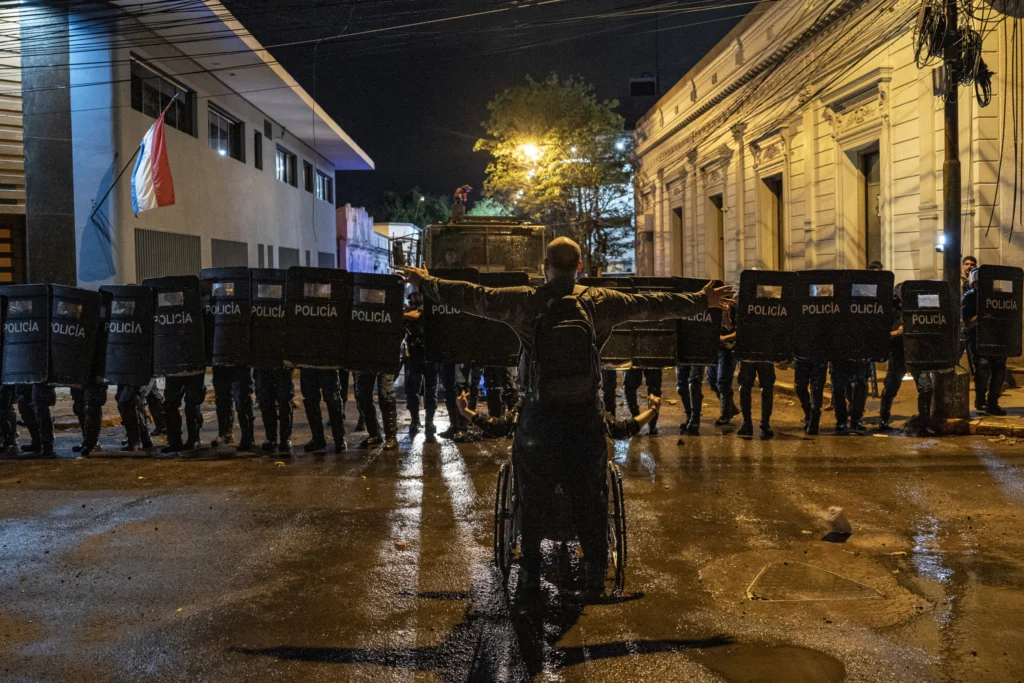
ASUNCIÓN — Amid a mounting political and financial crisis triggered by the Central Bank of Paraguay’s decision to initiate resolution proceedings against a major financial institution, international pressure is intensifying over the safety of citizens’ livelihoods and the protection of basic civil liberties. The unfolding economic turbulence has already ignited widespread public protests across the capital and prompted formal impeachment proceedings against Paraguayan President Santiago Peña, thrusting the South American nation into one of its most severe institutional challenges in recent years.
In response to these turbulent developments, Amnesty International has issued an urgent call to the Paraguayan authorities, demanding that the state prioritize the protection of affected citizens, guarantee absolute institutional transparency, and strictly respect the constitutional right to peaceful protest. The organization emphasizes that the state’s primary obligation in any systemic financial failure is to safeguard the well-being of the population over corporate or political interests.
"Behind this crisis are people who cannot access their savings, families facing uncertainty, and workers and pensioners whose rights may be at risk," said Ana Piquer, Amnesty International’s Director for the Americas, highlighting the profound human cost underlying the macroeconomic headlines. "The State’s response must put people at the centre, provide effective solutions, and ensure that no economic or political interest takes precedence over their rights."
The immediate fallout from the resolution proceedings has rippled across multiple sectors of Paraguayan society. Most critically, the sudden and unexpected inability of account holders to access their personal savings threatens the right to an adequate standard of living for thousands of families who rely entirely on these liquid assets to meet their basic daily needs, including food, housing, and healthcare.
Compounding this immediate emergency is the precarious situation surrounding pension and retirement funds that are directly or indirectly linked to the financial institution currently under scrutiny by regulatory authorities. This exposure introduces severe systemic risks to the right to social security for retirees and future pensioners. Furthermore, the crisis poses a direct threat to the labor rights of individuals employed directly by the troubled financial institution, as well as countless workers engaged by other enterprises within the institution’s broader corporate group, who now face sudden employment instability and financial precarity.
In light of these multidimensional vulnerabilities, Amnesty International underscores that the Paraguayan state holds a binding international legal obligation to ensure that all corporate entities involved exercise stringent due diligence. Authorities must proactively prevent adverse human rights impacts and guarantee comprehensive, effective remedies for those harmed. Any announced measures aimed at restoring access to frozen funds must be timely, operationally effective, and easily accessible, with deliberate and prioritized attention directed toward individuals and communities in situations of heightened vulnerability.
Beyond the immediate economic relief measures, the human rights organization insists that the competent national authorities must conduct independent, impartial, and thoroughly comprehensive investigations. These inquiries are necessary to establish corporate, administrative, and regulatory accountability, as well as to determine the full scope of human rights impacts generated by the crisis. Crucially, Amnesty International stresses that accountability must be enforced strictly, regardless of the public office held by involved actors or the degree of economic influence they wield, while maintaining absolute adherence to due process guarantees.
"Public trust in institutions cannot be restored through partial explanations or responses that merely manage the consequences of a crisis," Ana Piquer asserted, pointing to the eroding confidence in state governance. "It is built through access to public information, independent oversight, transparent decision-making, and guarantees that potential wrongdoing will be investigated objectively and transparently and, where appropriate, sanctioned. It also requires ensuring that those affected have access to effective remedies when their rights have been violated."
The institutional crisis has also spilled over from financial markets into the streets of Asunción, generating serious concerns regarding the state’s handling of civil unrest. Amnesty International has formally expressed alarm over credible reports detailing the deployment of aggressive crowd-dispersal methods and equipment by security forces against demonstrators. Witnesses and monitors reported the use of tear gas and water cannons against citizens exercising their right to assemble and protest on the night of November 4. The organization reminds the government that law enforcement agencies are strictly bound by international human rights standards, which mandate the protection—rather than the suppression—of peaceful protest.
Addressing the path forward, Amnesty International has issued a comprehensive set of demands to the Paraguayan government. The authorities must ensure the prompt and secure return of all withheld deposits, implement robust safeguards to protect vulnerable pension and retirement funds, actively safeguard the labor rights of all affected workers, and guarantee fully independent investigations into any potential corporate or regulatory wrongdoing. Additionally, the state must ensure unhindered access to public information, rigorously investigate all allegations concerning the excessive use of force by security personnel, and significantly strengthen national oversight and regulatory mechanisms to prevent future violations.
Observers note that the ultimate resolution of this multi-layered crisis cannot be measured solely by the technical recovery of financial assets or macroeconomic stabilization indicators. Paraguay must demonstrate to its citizens and the international community that it possesses genuinely effective oversight mechanisms, fully accountable public authorities, and institutional safeguards capable of ensuring that human rights are never subordinated to powerful economic or political interests. Ultimately, the state must establish robust regulatory and preventive frameworks to fulfill its fundamental responsibility to prevent, mitigate, and ensure accountability for any human rights impacts arising from commercial and financial activities within the country.
| Source | : | Open Passport |
| Author | : | Basiran |
| Editor | : | Open Passport Editorial Team |
