
Human Rights at the Forefront as Governments, Activists, and Lobbyists Prepare for COP31 in Antalya
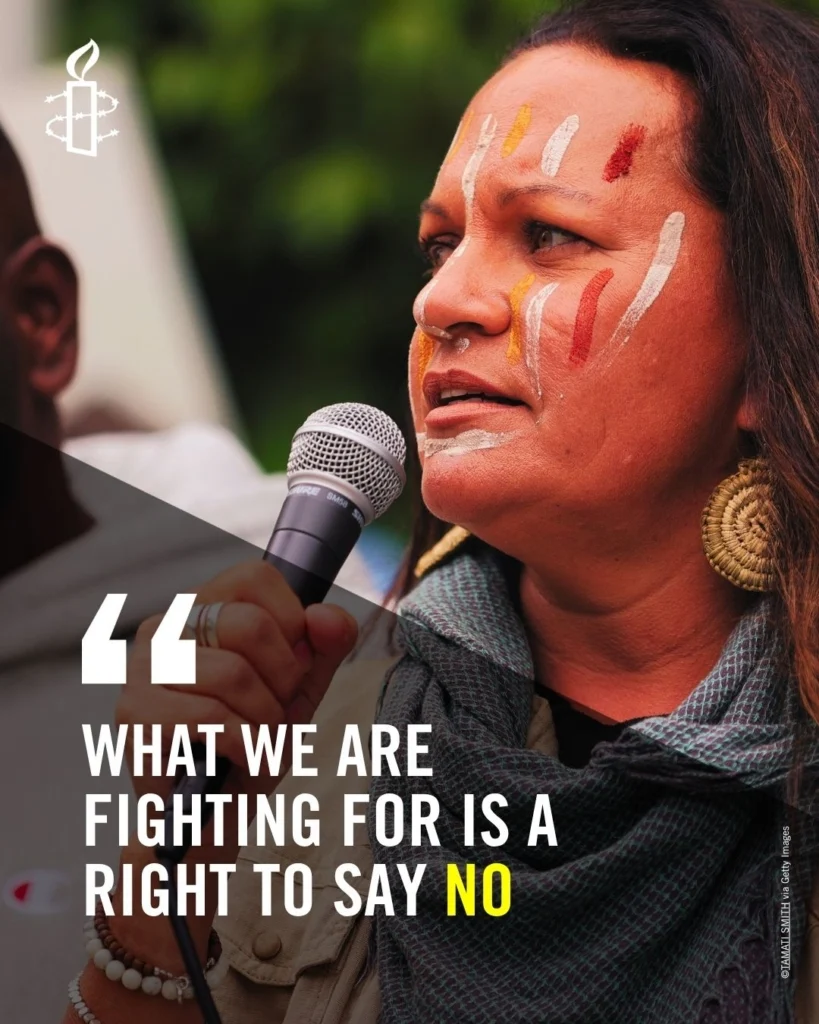
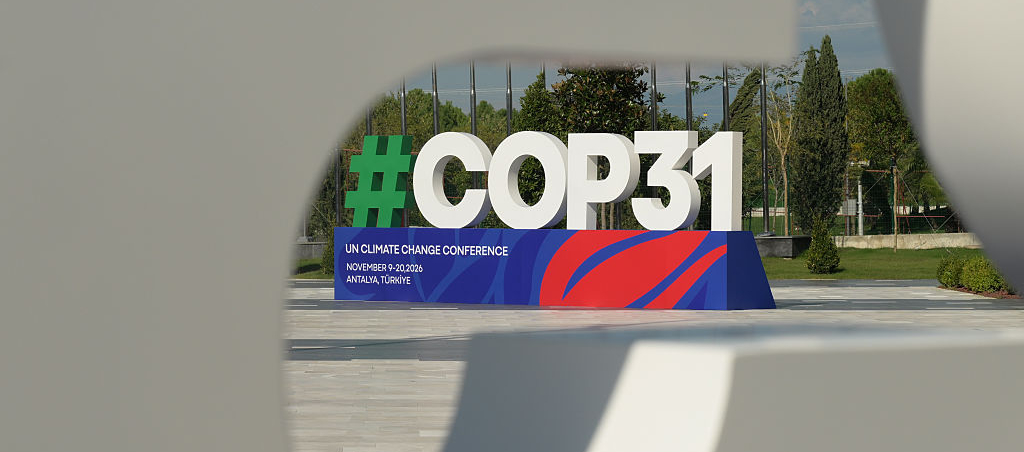
From November 9 to 20, an eclectic mix of world governments, scientists, grassroots activists, corporate lobbyists, diplomats, Indigenous Peoples, and communities bearing the heaviest brunt of ecological collapse will converge in Antalya, Türkiye, for COP31. This year’s annual United Nations climate conference arrives at a profoundly sobering juncture, unfolding after a twelve-month period in which the harsh realities of the global climate crisis have become virtually impossible to ignore or downplay.
The urgency of the upcoming summit was underscored in September 2026, when the United Nations formally acknowledged for the first time that the global community is on a trajectory to overshoot the critical target of limiting global warming to 1.5°C above pre-industrial levels within the coming years. This stark warning coincided with persistent, unrelenting global temperature spikes, punctuated by consecutive months setting alarming new global heat records, as documented by scientific monitoring agencies like Copernicus.
Against this backdrop, international legal observers emphasize that the scientific consensus is undeniable, legal obligations under international treaties are irrefutable, and the human rights stakes are unfathomable. Human activities—principally the large-scale extraction and combustion of coal, oil, and gas—are actively heating the planet and compounding direct threats to fundamental human rights worldwide. Experts argue that governments can no longer portray climate inaction as a politically neutral position. Rather, choosing inaction, or worse, extending aggressive financial, political, and regulatory life support to the fossil fuel industry, represents a deliberate policy choice made in defiance of overwhelming evidence. The consequences for ordinary people and their legally protected rights have proven devastating. Yet, advocates maintain that by acting collectively and placing social and environmental justice at the heart of policymaking, governments still possess the narrow window required to curb further harm and forge a fairer global future.
What is a COP Meeting?
To understand the immense gravity of the Antalya summit, it is necessary to examine the architecture of the process itself. COP stands for Conference of the Parties, serving as the supreme decision-making body of the UN Framework Convention on Climate Change (UNFCCC). Established as an international treaty during the 1992 Earth Summit, the UNFCCC acts as the foundational parent treaty of the landmark 2015 Paris Agreement.
These annual summits bring together nearly every nation on Earth to negotiate collective, coordinated action. Negotiations are theoretically anchored in the principles of historical responsibility and national capacity, focusing heavily on reducing greenhouse gas emissions, adapting vulnerable infrastructures to a changing climate, and establishing mechanisms to support countries and marginalized communities currently suffering from irreversible loss and damage.
The organizational framework for COP31 introduces an unusual leadership dynamic, dividing significant logistical and diplomatic responsibilities between Türkiye and Australia as co-hosts. Türkiye is slated to host the physical summit in Antalya, while Australia has taken on the critical mantle of leading the official negotiations. Civil society organizations and international monitors have stressed that both nations must demonstrate genuine, credible climate leadership rather than using the dual-host arrangement to deflect scrutiny or camouflage domestic policy shortcomings. Türkiye’s ongoing reliance on coal and its aggressive pursuit of fossil gas exploration threaten to lock the nation into a high-emissions development pathway. Simultaneously, Australia faces intense international pressure to resolve the glaring contradiction between projecting climate diplomacy abroad while continuing to greenlight and support fossil fuel extraction projects at home.
Pre-COP31 Spotlight on the Pacific
The momentum leading into the Antalya summit has been heavily shaped by regional gatherings, notably official pre-COP meetings and leaders’ events held in Fiji and Tuvalu early in October. These regional dialogues successfully centered Pacific leadership and the unique vulnerabilities of island nations in the global climate narrative. Organizations like Amnesty International have extensively documented how climate change is already actively eroding basic human rights across Tuvalu, Kiribati, and the wider Pacific Island region. Rising sea levels, unprecedented extreme heatwaves, prolonged droughts, and severe saltwater intrusion are directly threatening local rights to safe drinking water, adequate food, healthcare, sustainable housing, rich cultural heritage, and a viable future.
Frustrated by decades of political inertia, young people from the Pacific took their fight against governmental inaction to the highest judicial authority on the planet. Their efforts culminated in July 2025, when the International Court of Justice issued a landmark Advisory Opinion declaring unequivocally that states possess binding legal obligations under international law to protect human rights from the devastating impacts of climate change.
After more than thirty years of formal climate negotiations, advocates argue that governments can no longer hide behind empty promises of future emission cuts. With the science settled, technical solutions readily available, and global financial resources present, continued delay is exposed as a purely political choice. It is a choice that prioritizes short-term fossil fuel profits while Pacific communities watch their ancestral lands, livelihoods, and cultural traditions vanish beneath the waves. As the President of Negotiations, Australia bears a heavy responsibility to ensure that the urgent demands of Pacific nations translate into concrete, binding outcomes at COP31. Observers maintain that Canberra cannot claim climate leadership on the international stage while simultaneously expanding domestic fossil fuel infrastructure that deepens the suffering of Indigenous populations, Pacific neighbors, and other frontline communities.
Why is COP31 So Important?
While every Conference of the Parties carries weight, the temporal window for preventing catastrophic and irreversible ecological tipping points is closing at an alarming pace. In October 2026, the UN Environment Programme issued a grave warning stating that the global community must slash carbon emissions by nearly a fifth over the next four years, and by close to half within the decade, to prevent global warming from overshooting safe targets by a disastrous margin. The higher and longer temperatures remain above the 1.5°C threshold, the greater the compounding danger to human populations, fragile global ecosystems, and economic stability. Many of these induced harms cannot be undone.
Crucially, experts emphasize that acknowledging the likelihood of a temporary or extended temperature overshoot must not become an excuse for political resignation or inaction. Every fraction of a degree averted remains vital for the preservation of human and planetary life. Governments are urged to aggressively drive down emissions through a just, equitable, and structured phase-out of fossil fuels, protect vulnerable populations, and prevent global temperatures from scaling even more hazardous heights.
Despite these warnings, major industrialized economies continue to authorize new fossil fuel production ventures and prolong their systemic reliance on coal, oil, and gas, often funneling billions of dollars through direct subsidies, tax breaks, and regulatory exemptions. Within numerous political systems, the fossil fuel industry maintains formidable lobbying power, actively shaping legislation and domestic policy both at home and abroad. Concurrently, legitimate climate science is being systematically undermined, and the social solidarity necessary for radical collective action is being deliberately fractured by authoritarian state actors and corporate forces. The result is a dangerous cycle of disinformation, regulatory sabotage, coercive diplomacy, and fossil fuel lock-in, exposing a widening chasm between what scientific models demand, what human rights law mandates, and what governments are actually willing to execute.
How is Climate Change Affecting Human Rights?
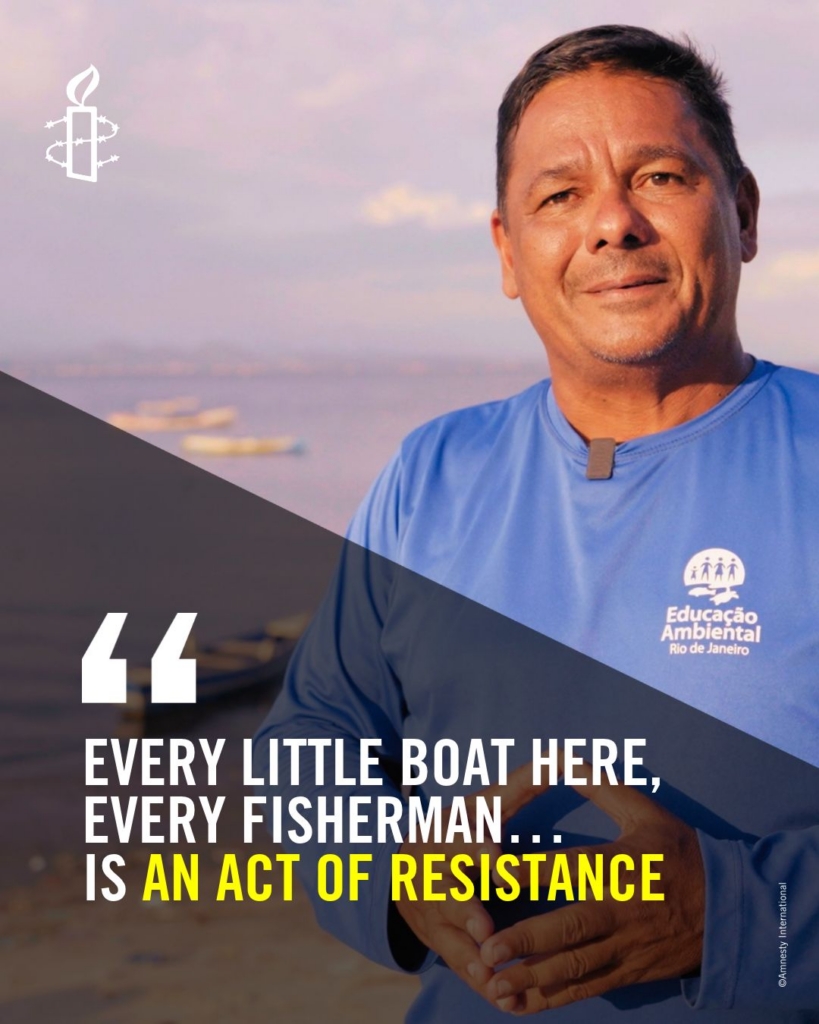
International human rights frameworks establish that every individual is entitled to live in a clean, healthy, and sustainable environment. Beyond this specific guarantee, the cascading effects of global heating directly threaten foundational rights to life, adequate food, clean water, physical health, stable housing, cultural expression, and an adequate standard of living.
Throughout 2026, the unprecedented scale of climate-related disasters and their severe human consequences were painfully visible across every inhabited continent. The compounding human cost of ecological breakdown has rendered the crisis impossible for policymakers to ignore.
Why Must Fossil Fuels Be Phased Out?
The core driver of the crisis remains undisputed by empirical science: the anthropogenic burning of fossil fuels is the primary source of greenhouse gases accumulating in the Earth’s atmosphere. These concentrated gases trap solar radiation, driving a long-term upward trajectory in average global temperatures, shifting seasonal weather patterns, and accelerating sea-level rise that threatens to submerge entire small island states and low-lying coastal regions globally.
To safeguard human rights for present and future generations and avert unmanageable devastation, international civil society coalitions are demanding that governments deliver a comprehensive, rapid, fair, and fully funded phase-out of coal, oil, and gas. While abundant technological alternatives—such as wind and solar power—exist to replace fossil dependencies, human rights advocates insist that the global transition toward renewable energy electrification must be managed carefully. It must actively respect human rights and avoid replicating the structural abuses, labor exploitation, and economic inequalities that characterized the legacy fossil fuel economy.
What Must Governments Agree at COP31?
As delegates prepare for the negotiations in Antalya, justice demands that the nations historically most responsible for heating the planet, alongside those possessing the greatest financial and technical capacity, fulfill their fair share of the burden. Civil society groups have outlined critical benchmarks for success, insisting that the summit must not devolve into closed-door compromises that sacrifice human welfare for corporate appeasement.
Spotlight on Türkiye
The context surrounding the host nation of Türkiye adds an additional layer of tension to the upcoming summit. In September, Turkish authorities launched a sweeping nationwide security operation targeting LGBTI+ organizations, independent activists, and human rights defenders. Numerous homes, community venues, and NGO offices were subjected to police raids, resulting in the detention of more than 100 individuals, dozens of whom were subsequently remanded in pretrial detention. Concurrently, over 1,000 social media accounts belonging to activists, journalists, and civil society organizations—including the official digital channels of Amnesty International Türkiye—were subjected to state-enforced blocking or severe restriction.
In October, the rights environment deteriorated further when authorities raided and seized operational control of a major opposition television channel, dealing a severe blow to domestic press freedom. Human rights monitors note that these developments do not represent isolated incidents or a localized crackdown. Rather, they form part of a sustained, decade-long pattern of arbitrary restrictions targeting peaceful assembly, freedom of association, and freedom of expression. Whether environmental defenders, investigative journalists, women’s rights advocates, political dissidents, or LGBTI+ communities are targeted, the chilling effect remains uniform: independent dissent is systematically silenced, societal divisions are inflamed, and public fear spreads. This environment directly undermines the capacity of citizens to hold their government accountable for climate commitments or any other domestic human rights obligation. Observers assert that for the critical negotiations in Antalya to possess legitimacy, Türkiye must halt its broader crackdown on civic freedoms and human rights defenders.
Why is Protecting Civic Space Important for a UN Summit Like COP?
UN climate conferences remain among the exceedingly rare global arenas where nearly all sovereign states convene alongside Indigenous Peoples, diverse civil society representatives, and frontline communities campaigning for environmental justice. However, corporate fossil fuel lobbyists also maintain a heavy presence, leveraging influence in virtually every forum where climate policy is debated.
Protecting open civic space within the COP venue is essential to counterbalancing fossil fuel obstruction and securing ambitious climate agreements. Activists point out that political and financial scales are already heavily tipped in favor of heavy industry; any erosion of protections for civil society and peaceful protest at UN summits tilts those scales further toward corporate interests.
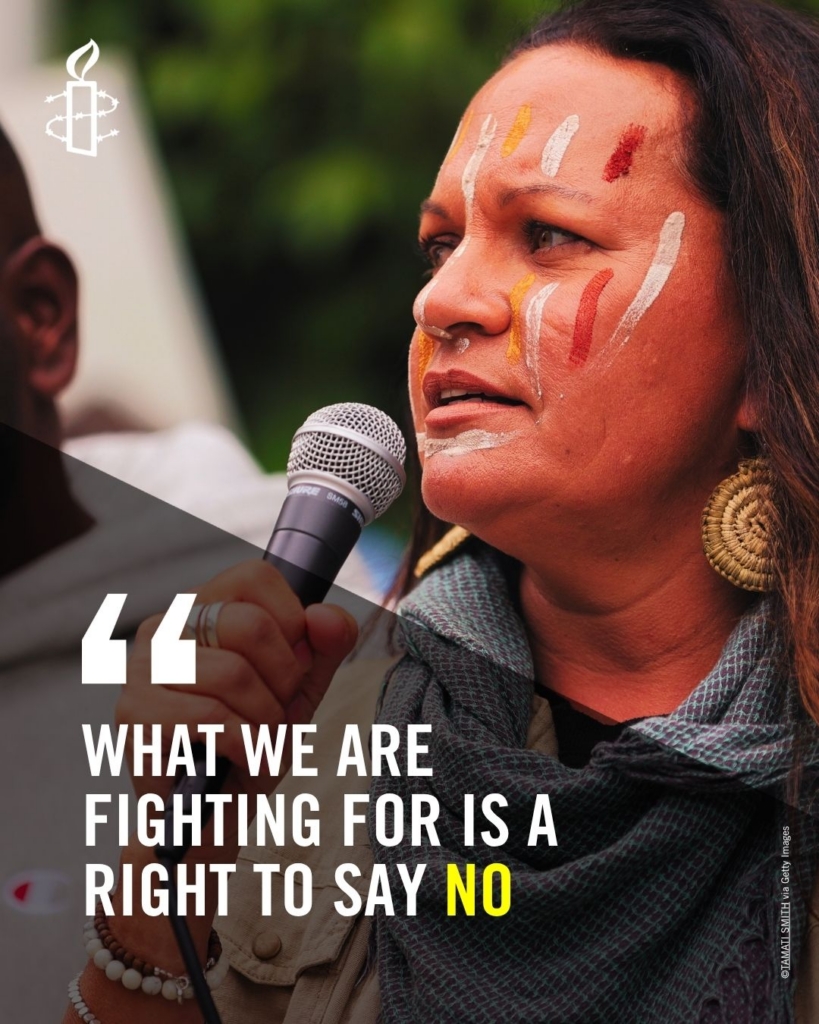
Across the globe, governments and powerful corporate entities have increasingly criminalized peaceful protest, subjecting environmental human rights defenders to targeted intimidation, digital surveillance, arbitrary detention, and physical violence. These authoritarian attacks on grassroots defenders, women, Indigenous populations, and marginalized groups are recognized not as disconnected political maneuvers, but as deliberate tactics designed to fracture societal solidarity, protect entrenched economic power, and maintain the status quo of fossil fuel production.
Despite these growing systemic obstacles, communities continue to resist and organize, as documented in recent analyses by human rights organizations highlighting the vital role of environmental defenders in driving a just transition. As delegates finalize their preparations for Antalya, the underlying message from civil society remains absolute: there can be no genuine climate justice achieved without the foundational freedom to demand it.
| Source | : | Open Passport |
| Author | : | Laily UPN |
| Editor | : | Open Passport Editorial Team |
