
Washington, DC Neighborhood Rankings: Finding the Best Places to Live Based on Commutes, Schools, and Budgets
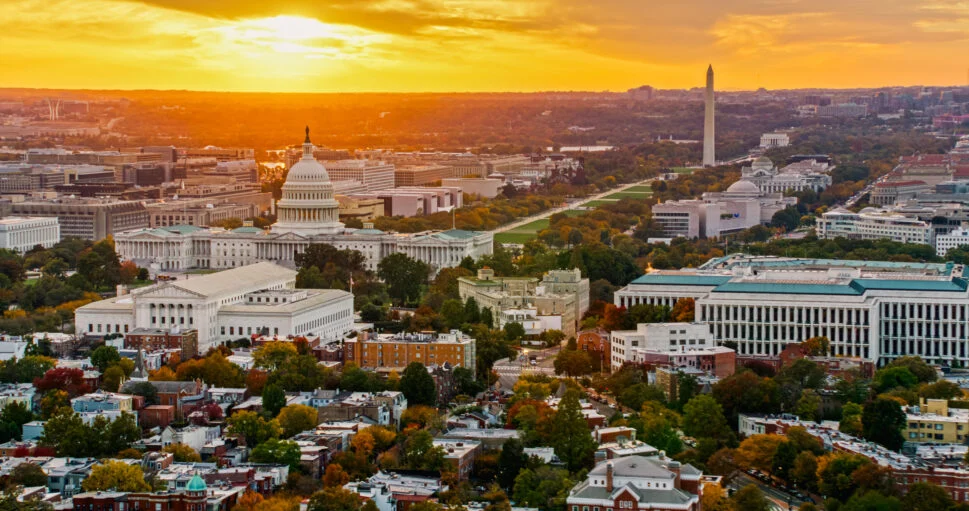
Washington, DC packs a remarkable variety of distinct neighborhoods into its small geographic footprint. From the historic rowhouse streets of Capitol Hill and the bustling cafes and embassies surrounding Dupont Circle and Kalorama to the cobblestones of Georgetown and the quieter, leafier blocks of Northwest near Cathedral Heights and Tenleytown, the capital offers a mosaic of living experiences. Choosing the right area depends heavily on individual budgets, daily commutes, and lifestyle preferences regarding walkability and local amenities.
To help prospective residents navigate these options, a comprehensive data analysis of 44 Washington, DC neighborhoods was conducted using information supplied by Movoto alongside various public sources. By evaluating communities side by side across multiple criteria, the study aims to cut through the complexity of the local real estate market and provide clear insights for buyers.
How Washington, DC Neighborhoods Were Evaluated
Each neighborhood evaluated in the dataset received a score ranging from zero to 10 across eight core categories: affordability, price appreciation, school quality, safety, walkability, food and dining options, kid-friendliness, and average commute times.
Data inputs were gathered from a variety of trusted repositories. Movoto supplied the underlying metrics for walkability, dining, pet-friendliness, kid-friendliness, home prices, and GreatSchools ratings. Researchers supplemented this information with recent incident reports from the Metropolitan Police Department’s open data portal, commute time averages from the American Community Survey, and neighborhood-level price appreciation figures drawn from Federal Housing Finance Agency (FHFA) ZIP-code price indexes.
For the specialized category lists, the underlying scoring model reweights these inputs to match the specific priorities of different audiences, such as commuters, families, young professionals, pet owners, and value seekers.
Best Washington, DC Neighborhoods Overall
When compiling overall performance across all evaluated metrics, a few central and accessible neighborhoods emerge at the top of the list.
Foggy Bottom captured the top overall spot with a score of 8.0, driven by the shortest average commute time in the dataset at roughly 22 minutes. Situated between the Potomac River and the White House area, Foggy Bottom encompasses George Washington University’s campus, the Kennedy Center, and robust Metro access. Because the housing stock is heavily weighted toward condominiums, the median home price sits at approximately $479,000, offering buyers a rare sub-$500,000 entry point into a highly central location. School ratings for the neighborhood derive from a single highly rated local school, meaning prospective parents should interpret that specific metric with care.
Following closely in second place is the West End, which earned a score of 7.8 and a perfect walk score of 100. Positioned neatly between Foggy Bottom, Dupont Circle, and Georgetown, the West End is a compact neighborhood characterized primarily by high-rise residences. Its proximity to the central business district’s major office buildings, local dining establishments, and the trail systems of Rock Creek Park makes it a prime location for urban dwellers. Like its neighbor Foggy Bottom, its school rating relies on a single high-performing institution.
Glover Park and Georgetown tied for the third position, each securing an overall score of 7.2. Glover Park offers a residential atmosphere in Northwest DC along Wisconsin Avenue, boasting a small commercial strip, proximity to Rock Creek Park, low crime rates relative to other walkable areas, and an average school rating of 8.0 out of 10 with a median home price of $449,000. Georgetown, by contrast, commands a median price of $1.68 million, anchored by its historic cobblestone streets, the C&O Canal, Georgetown University, and bustling retail corridors along M Street. While it features a strong walk score of 92 and school ratings averaging 7.7 out of 10, it lacks a dedicated Metro station, though its average commute remains competitive at about 24 minutes.
Rounding out the top overall tier is Cathedral Heights with a score of 7.1. Centered around the Washington National Cathedral, this quiet residential neighborhood features a blend of apartments, condos, and single-family homes, paired with low crime rates, a median price of $550,000, and a solid kid-friendliness score.
Top Neighborhoods for Commuters
For residents seeking to minimize time spent traveling to work, the city’s robust network of Metro stations, bus routes, and protected bike lanes makes car-free commuting viable. The top-ranked commuter neighborhoods boast average travel times ranging between 22 and 27 minutes.
Foggy Bottom leads this category with a score of 9.0, benefiting from its immediate adjacency to major federal agencies, George Washington University, and key transportation hubs. Georgetown follows with a score of 8.2, offering reliable bus service and scenic walking paths along the canal despite the absence of an underground rail stop. The West End secures the third spot with a score of 8.1, capitalizing on its central location and maximum walkability score. Honorable mentions in this category include Dupont Circle and Penn Quarter, both offering exceptional transit access and central placements.
Best Options for Schools and Families
Families prioritizing educational quality, neighborhood safety, and child-friendly amenities find strong options concentrated in the northwestern quadrants of the city.
American University Park ranks first in the family category with a score of 7.8, driven by the highest kid-friendliness score among top contenders at 83, low crime incidents, and a leafy residential environment featuring detached homes near local parks and Tenleytown amenities. McLean Gardens takes second place with a score of 7.5, offering historic garden-style condominiums and apartments at a more accessible median price point of $332,000 alongside strong school metrics. Tenleytown also claims a 7.5 score, providing Red Line Metro access, a thriving commercial strip along Wisconsin Avenue, and an average school rating of 7.3 out of 10. Additional family-friendly honorable mentions include Cathedral Heights, Brightwood, and Glover Park.
Vibrant Hubs for Young Professionals
Young professionals prioritizing nightlife, dining diversity, walkability, and social amenities find their preferences reflected in high scores across central urban cores.
Foggy Bottom reclaims the top spot for this demographic with a staggering score of 9.3, fueled by a food and dining score of 98 and its central campus-adjacent energy. The West End and Dupont Circle tie for second with scores of 9.0. Dupont Circle remains a classic hub for young professionals, offering historic architecture, a lively weekend farmers market, dense clusters of bars and restaurants along Connecticut Avenue and P Street, and a median condo price of $447,000. Honorable mentions for young professionals include Penn Quarter, Mount Vernon Square, and Logan Circle.
Identifying Best Value Neighborhoods
Given the high cost of living across the District, value-focused buyers must balance lower entry prices with neighborhood appreciation trends and local amenities.
Barry Farm leads the value category with a score of 9.1, featuring a median price of $356,000 and the strongest ZIP-code level home price appreciation in the city at 4.9 percent. Located east of the Anacostia River in Southeast DC, the neighborhood balances affordability with a kid-friendliness score of 80, though average commute times stretch longer to approximately 37 minutes. Anacostia follows closely with a score of 9.0, a median price of $375,000, and similar strong appreciation metrics anchored by historic landmarks such as Cedar Hill and a growing culinary scene. The Southwest Waterfront secures third place with a score of 8.6, offering modern waterfront living near The Wharf and local Metro access for a median price of $362,000. Glover Park, Navy Yard, and Mount Vernon Square round out the value discussion as honorable mentions.
Luxury Real Estate Markets
Neighborhoods qualifying for luxury consideration required a median price of at least $1 million, or a price point of at least $750,000 paired with a cost of $550 or more per square foot. Ten neighborhoods met these strict thresholds.
Georgetown leads the luxury segment with an overall score of 7.1, commanding a median price of $1.68 million and a median price per square foot of $844. Spring Valley claims second place with a score of 6.9, featuring expansive detached properties on large lots, minimal crime rates, and a median price of $2.72 million. Massachusetts Avenue Heights ranks third with a score of 6.8, recording the highest price per square foot in the dataset at $931 and a median price of $5.1 million near Embassy Row. Additional luxury standouts include Forest Hills, Berkley, and Wesley Heights.
Accommodations for Pet Owners
For residents with animal companions, neighborhoods offering accessible green spaces, walkable street grids, and dog-friendly commercial establishments score exceptionally well.
Dupont Circle leads the pet category with a score of 8.9, achieving perfect 100 ratings in both walkability and pet-friendliness due to its central park spaces, outdoor patios, and proximity to Rock Creek Park trails. The West End and U Street share the runner-up position with scores of 8.8, both boasting maximum pet scores and thriving sidewalk cultures. Adams Morgan, Georgetown, and Foggy Bottom receive honorable mentions for their robust trail networks and outdoor access.
Historic Districts of Note
While evaluated separately from the quantitative scoring models, Washington’s historic districts remain central to the city’s architectural and cultural identity. Georgetown stands as the oldest neighborhood in the capital, preserving colonial-era streetscapes and Federal-style rowhouses that predate the establishment of the federal district. Capitol Hill presents one of the nation’s largest collections of Victorian rowhouses surrounding the United States Capitol and Eastern Market. Logan Circle showcases impeccably preserved 1870s and 1880s residential architecture, while U Street retains its vital legacy as the historic center of Black culture and jazz heritage in the District, famously known as "Black Broadway."
Ultimately, prospective homebuyers examining Washington, DC’s diverse housing market will find that neighborhoods like Foggy Bottom and the West End excel across multiple composite metrics, while specialized districts cater directly to distinct lifestyle goals, family needs, and budgetary parameters.
| Source | : | Open Passport |
| Author | : | Asep Darmawan |
| Editor | : | Open Passport Editorial Team |
