
Beyond the Capital: Why Arles is France’s Best-Kept Roman Secret
For travelers planning a French getaway, the itinerary often defaults to the familiar magnetism of Paris. However, those seeking a deeper connection to history, art, and the authentic pulse of the Mediterranean—without the crushing crowds of the Riviera—are increasingly turning their gaze toward the South. Nestled along the banks of the Rhône River, the city of Arles offers a compelling alternative, blending profound Roman-era heritage with a vibrant, artistic soul that feels as if it were plucked directly from the canvas of a master painter.
While Arles is situated roughly 374 miles from the French capital, modern infrastructure has bridged the distance, making this cultural treasure more accessible than ever. Travelers can board a direct TGV high-speed train in Paris and arrive in the heart of Provence in under four hours. With savvy planning and early booking, tickets for this seamless journey can be found for as low as $28, providing a budget-friendly route to a destination that feels worlds away from the high-fashion boutiques of Cannes or the yacht-lined harbors of Monaco.
A Living Museum of Ancient History
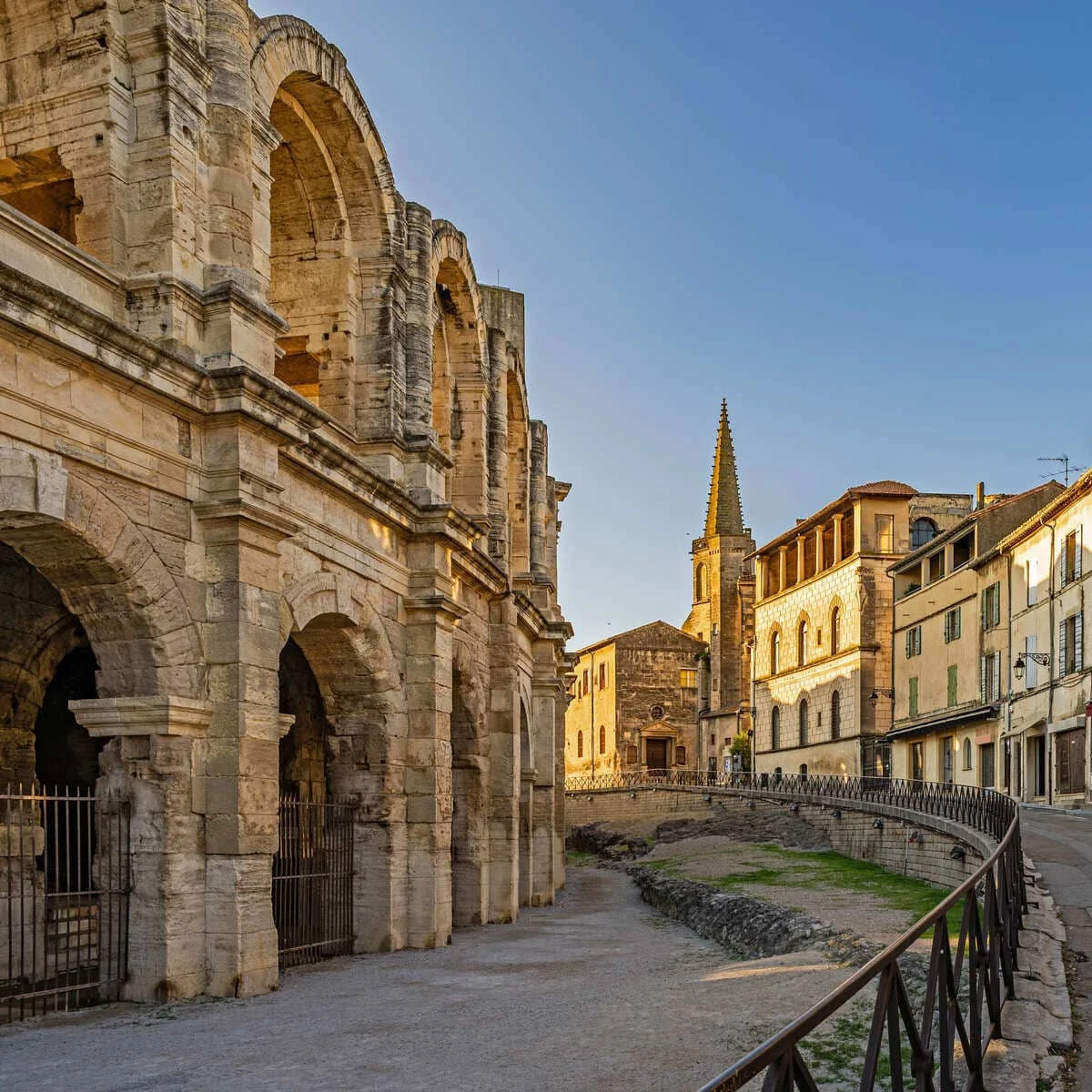
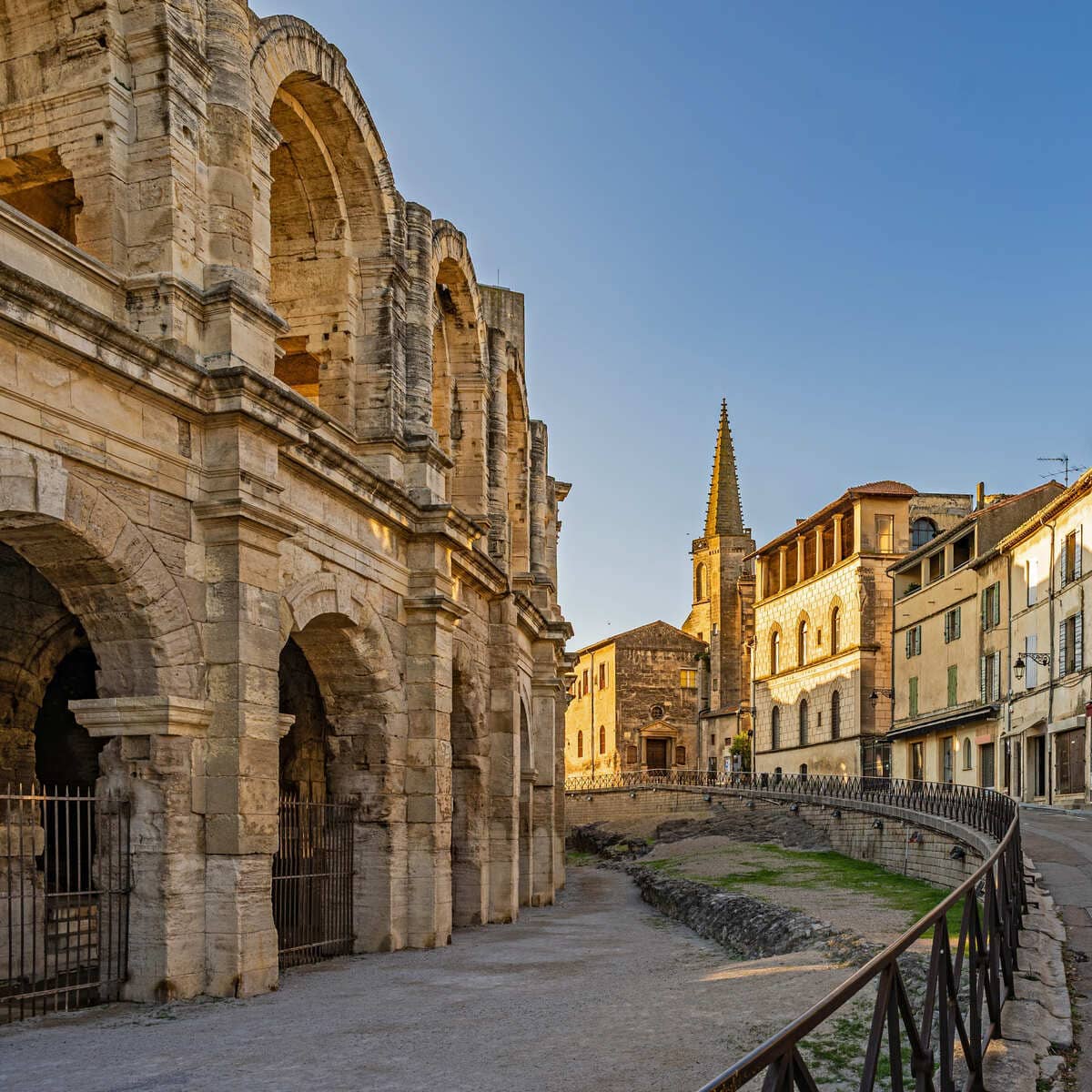
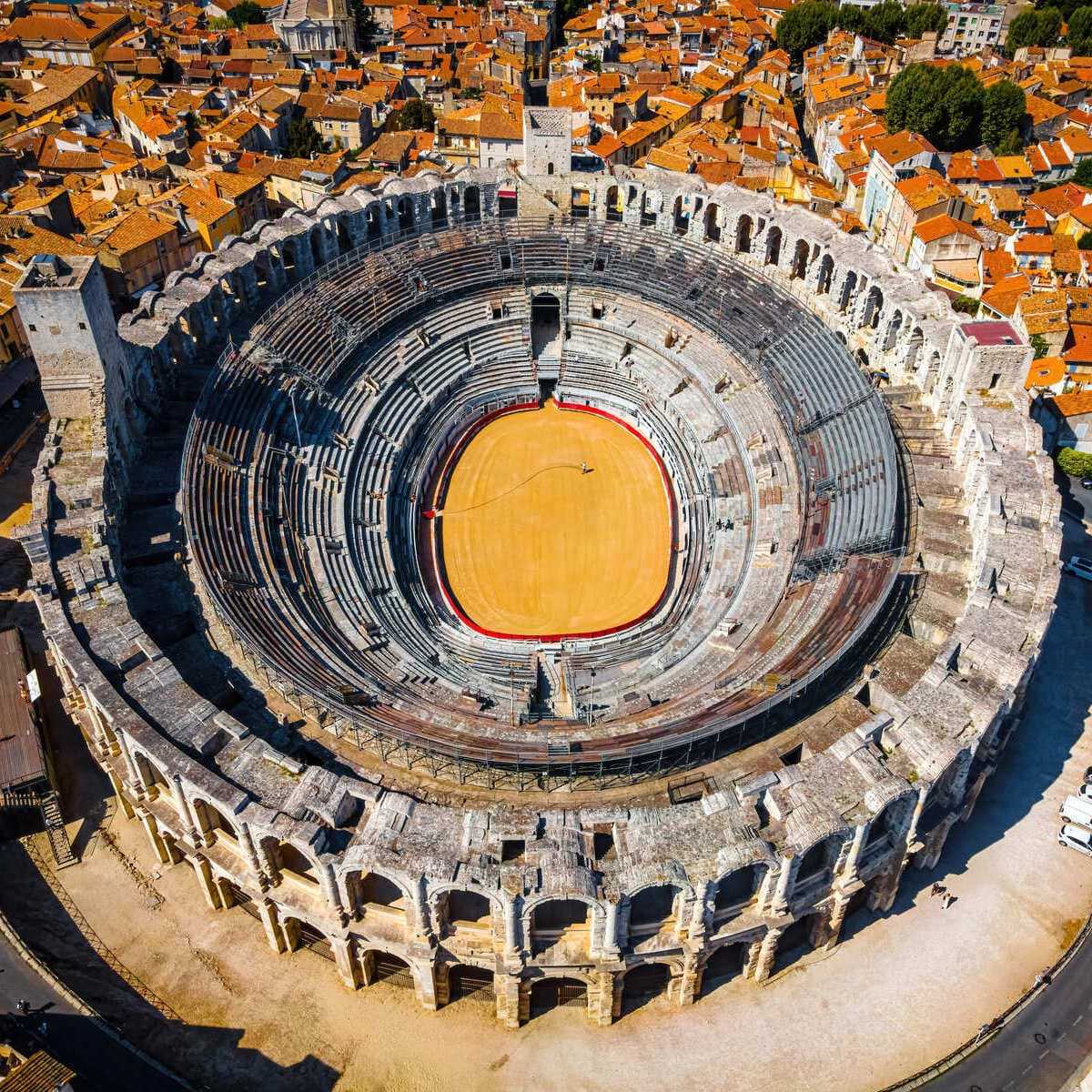
Arles is frequently described as an open-air museum, and the moniker is well-earned. As a former provincial capital of the Roman Empire, the city remains anchored by its ancient roots. Walking through the streets today, visitors are surrounded by remnants of a bygone era that have been meticulously preserved. Among the most iconic sights is the Arles Amphitheater, or les Arènes. Built around 90 AD, this massive structure features towering limestone arches and medieval watchtowers that rise above the city’s cobble-paved alleys. It is not merely a static relic; the amphitheater continues to serve as a center for public life, hosting concerts, traditional festivals, and even bullfights, maintaining a continuity of purpose that spans two millennia.
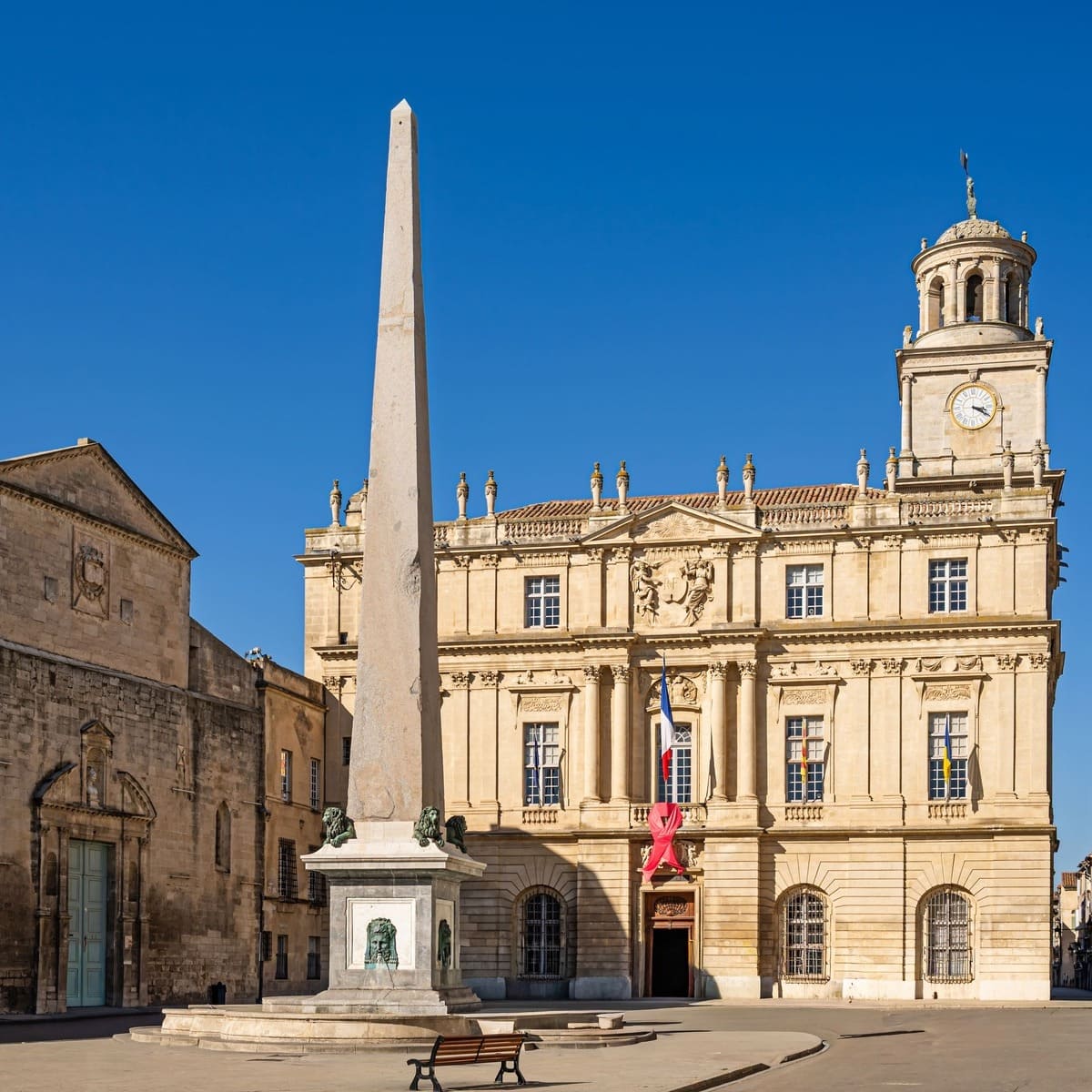
Beyond the arena, the city offers a wealth of archaeological wonders. The Théâtre Antique, a semicircular Roman theater dating back to the 1st century BC, stands as a testament to the sophistication of ancient urban planning. Even today, the site hosts performances, echoing the theatrical traditions that once drew the citizens of Roman Gaul. Perhaps most atmospheric are the Cryptoportiques d’Arles, a complex, labyrinthine network of underground galleries located beneath the town hall. These vaulted corridors once supported the city’s ancient forum and provide a haunting, cool respite from the Provencal sun, offering a rare glimpse into the subterranean infrastructure of the Roman world.
For those eager to explore these sites, the local tourism authorities offer a Pass Avantage. Priced at approximately $22, the pass provides comprehensive access to six of the city’s major historic monuments and four museums, including the highly acclaimed Musée Départemental Arles Antique. It is a rare example of high-value cultural tourism, allowing visitors to immerse themselves in history without the steep entry fees often associated with major European landmarks.
In the Footsteps of Van Gogh
The allure of Arles extends far beyond its Roman foundations; it is also a place defined by its profound connection to art history. It was here that Vincent van Gogh sought inspiration, finding in the light and landscape of Provence a subject that would define his most prolific period. For many, a trip to Arles is a pilgrimage to the settings of some of the world’s most recognizable masterpieces.
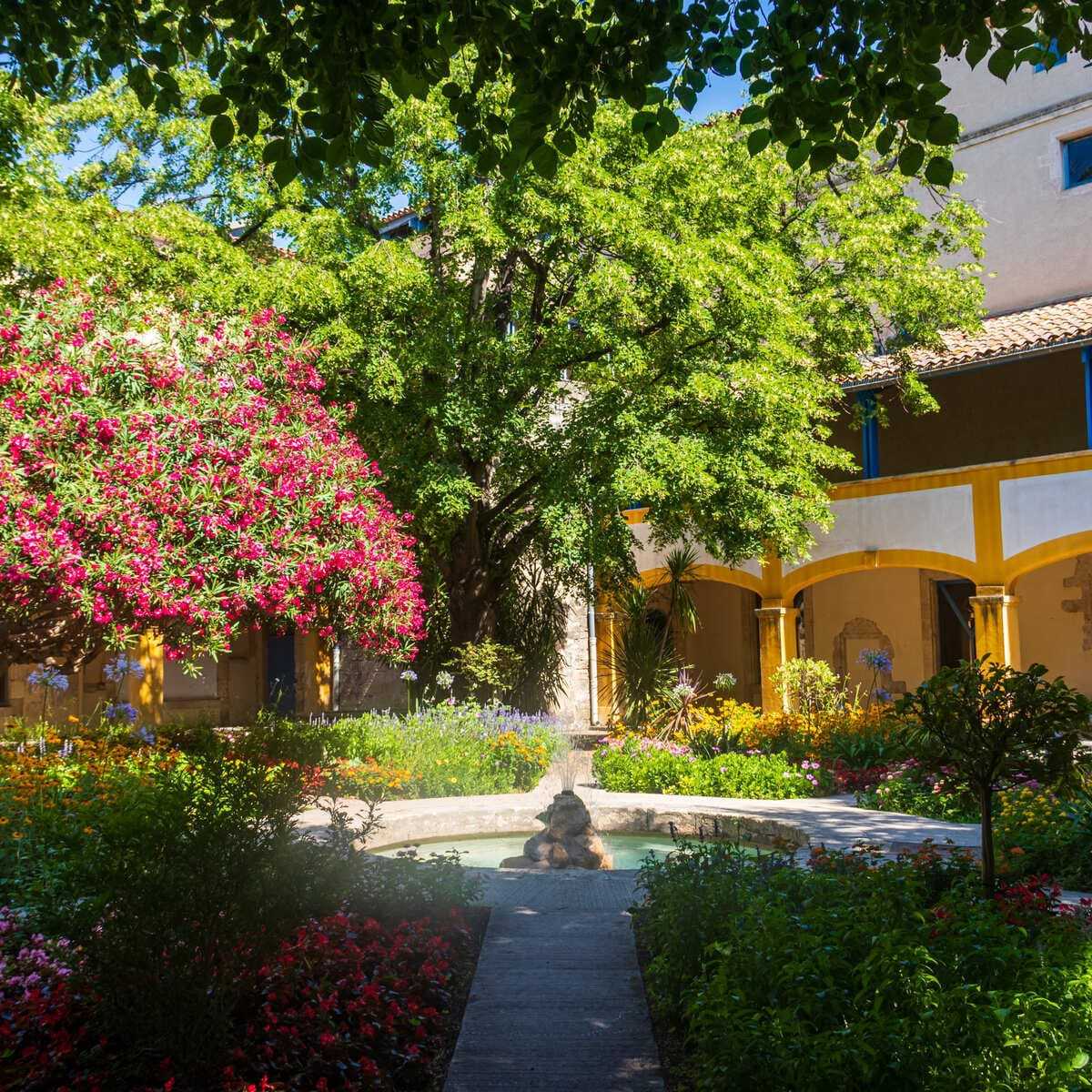
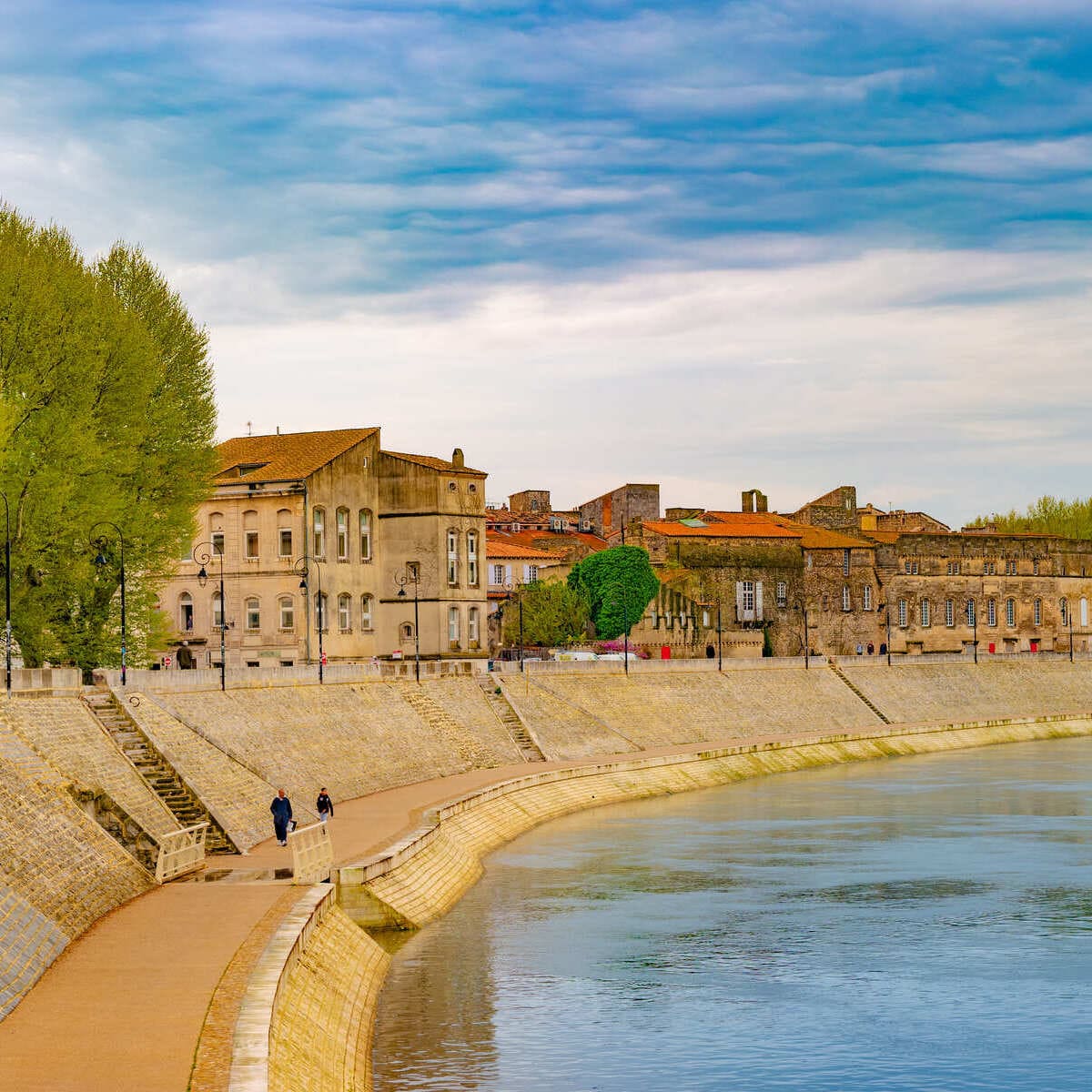
Visitors walking along the banks of the Rhône will find the very perspective that inspired Starry Night Over the Rhone. Similarly, the Place du Forum serves as the real-world setting for Café Terrace at Night. Perhaps most moving is the Espace Van Gogh, the former hospital where the artist was treated. The original courtyard remains, complete with the yellow-arched galleries and lush, manicured gardens that Van Gogh captured in his 1889 painting, Courtyard of the Hospital at Arles. Today, this site is open to the public, allowing art enthusiasts to stand exactly where the artist once stood, bridging the gap between the painted image and the physical reality of the city.
A Culinary Bridge Between Provence and Iberia
The cultural identity of Arles is further reflected in its unique gastronomy. Because of its proximity to the Spanish border, the local cuisine offers a distinct departure from the classic butter-heavy dishes of Northern France. The culinary scene here is robust, characterized by bold flavors and Mediterranean influences.
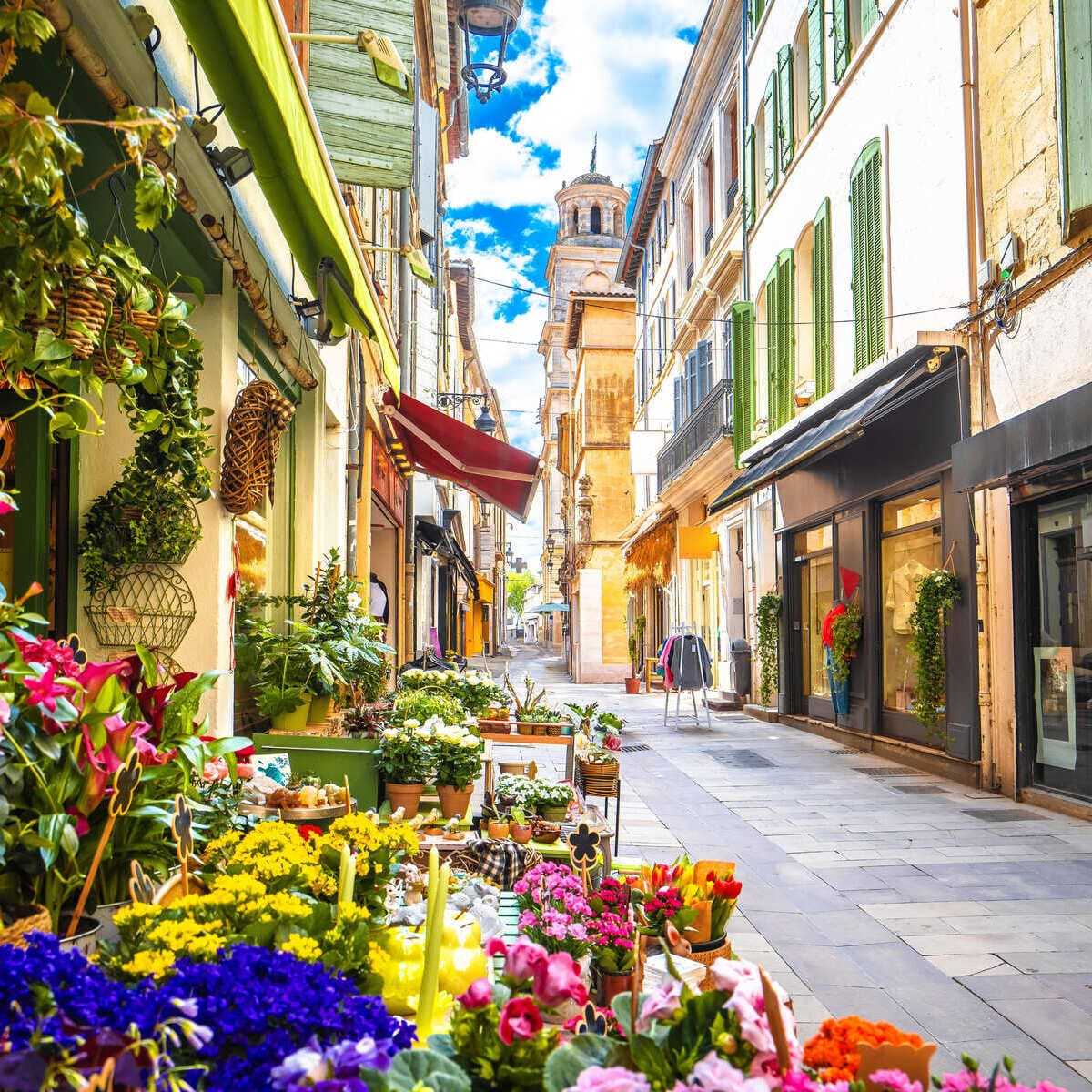
A staple of the region is gardiane de taureau, a rich, slow-cooked stew made with bull meat and simmered in red wine, garlic, and aromatic herbs. It is typically served with Camargue rice, a variety known for its nutty flavor and hearty, chewy texture. In the local bakeries, the standard croissant is often eclipsed by fougasse, an olive oil-enriched bread stuffed with olives or bacon, and gibassier, a traditional sweet bread flavored with orange blossom and anise.
Establishments like Le Criquet, located just a short walk from the amphitheater, serve as local institutions where one can experience these regional flavors in a family-run setting. A meal of local specialties paired with a glass of regional red wine offers an authentic taste of the South, all at a price point that remains remarkably accessible compared to the luxury dining hubs of the French Riviera.
Safety and Regional Exploration
For international travelers, safety is always a consideration. Arles is generally considered a manageable and safe destination for tourists. While France, as a whole, maintains a presence of caution regarding security, the historic center of Arles remains welcoming. Visitors are advised to exercise standard precautions—such as remaining mindful of belongings in crowded areas or near transit hubs—but the city lacks the high-intensity environment of larger metropolises.
Furthermore, Arles serves as an excellent base for broader exploration. A short 25-minute train ride connects visitors to Nîmes, another city boasting an exceptionally well-preserved Roman arena and the Maison Carrée, an ancient temple that ranks among the most intact structures of its kind in the world. For those interested in the history of civil engineering, the nearby Pont du Gard—a three-level, 1st-century Roman aqueduct—is a UNESCO World Heritage Site that provides a stunning backdrop for a summer afternoon. During the warmer months, the pebbly beaches along the Gardon River, located at the base of the aqueduct, offer a perfect spot for a swim.
For Van Gogh enthusiasts, a 40-minute bus journey leads to Saint-Rémy-de-Provence. It is here that the Saint-Paul-de-Mausole monastery is located, the site where the artist lived for a year and produced some of his most significant works, including his famous Starry Night.
As the travel landscape continues to shift, Arles stands out as a destination that successfully manages the balance between preserving its deep historical narrative and providing a contemporary, high-quality experience. It offers the rare opportunity to engage with the grandeur of the Roman Empire and the intimacy of artistic history, all while enjoying the relaxed, sun-drenched pace of Provençal life. For the traveler who prefers the quiet significance of a Roman archway or the specific shade of yellow in a historic café over the transient glitz of a seaside party, Arles remains an essential, enduring destination.
| Source | : | Open Passport |
| Author | : | Muslim |
| Editor | : | Open Passport Editorial Team |
