
Aviation Industry Urged to Optimize Operating Costs Through Advanced Lubrication and Smart Fluids
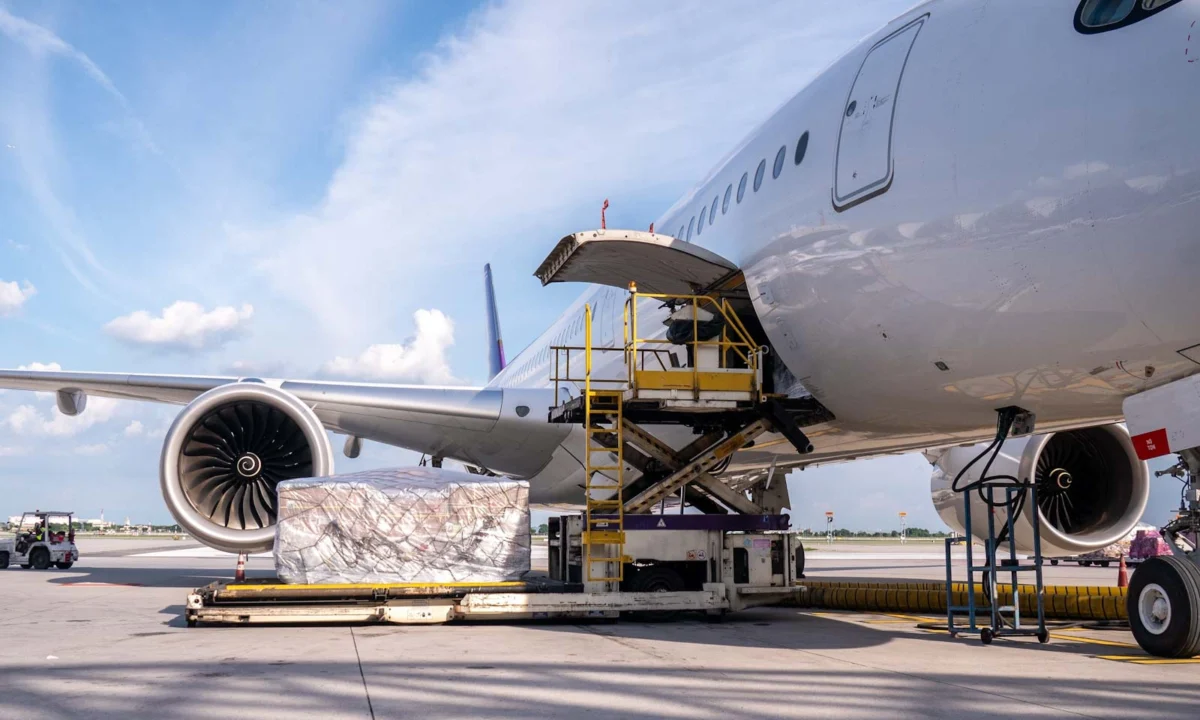
Operating within notoriously tight financial margins, the global aviation industry is facing renewed pressure to maximize operational efficiencies across every facet of its business. A comprehensive new report highlights the substantial, yet frequently overlooked, financial and operational advantages that can be achieved through the careful selection and application of optimum smart fluids and specialized engine oils.
The publication, titled Oiling the Wheels of Progress: How Smarter Fluids Optimise Operating Costs in Aviation and commissioned for ExxonMobil, explores the multi-faceted benefits enabled by advanced lubrication solutions. By drawing on real-world examples provided by globally recognized aviation businesses, the report details how strategic investments in high-performance specialist oils can translate into measurable efficiency gains, reduced maintenance burdens, and enhanced long-term fleet reliability.
In an economic climate where commercial operators are continuously seeking ways to protect their bottom lines, the drive to curb expenditures can occasionally lead to counterproductive strategies. Some operators mistakenly believe that the most prudent financial approach is to avoid investing in newer, advanced technical solutions, choosing instead to rely indefinitely on tried-and-tested products and traditional suppliers. However, when applied to critical engine components and specialized lubricants, this conservative mindset can conceal underlying areas for operational improvement and expose airline and cargo businesses to extended inefficiencies over the long term.
Addressing Inefficiencies in Aviation
The commercial aviation sector operates on a precariously balanced foundation where viability is constantly tested by external economic and geopolitical pressures. According to data from GlobalData’s Global Passenger Airlines database, cited within the report, 2024 marked a significant milestone as the first year passenger numbers and flight volumes fully rebounded to surpass pre-pandemic levels across both commercial short-haul and long-haul routes. Yet, despite this robust recovery in passenger demand, the broader industry remains acutely vulnerable to unpredictable disruptions that can quickly erode profitability.
Passenger airlines and dedicated cargo operators must navigate a complex web of modern challenges, including persistent supply chain bottlenecks and shifting trade relationships between regions and nations. When supply chains are disrupted, airlines often face extended maintenance schedules and delayed turnarounds. Furthermore, operators may find themselves unable to source their first-choice components, forcing them to rely on secondary backup options that may operate at lower levels of efficiency.
Compounding these operational hurdles are the unpredictable nature of geopolitical events, changing regional regulations, and the constant volatility of global fuel and oil prices. Fleet managers must closely monitor these macro-economic fluctuations and factor them directly into daily decision-making processes. Because so many external variables remain entirely outside the control of aviation executives, internal areas where operational efficiencies can be actively realized and sustained are currently at a premium.
Understanding the Advantages of Specialized Oils
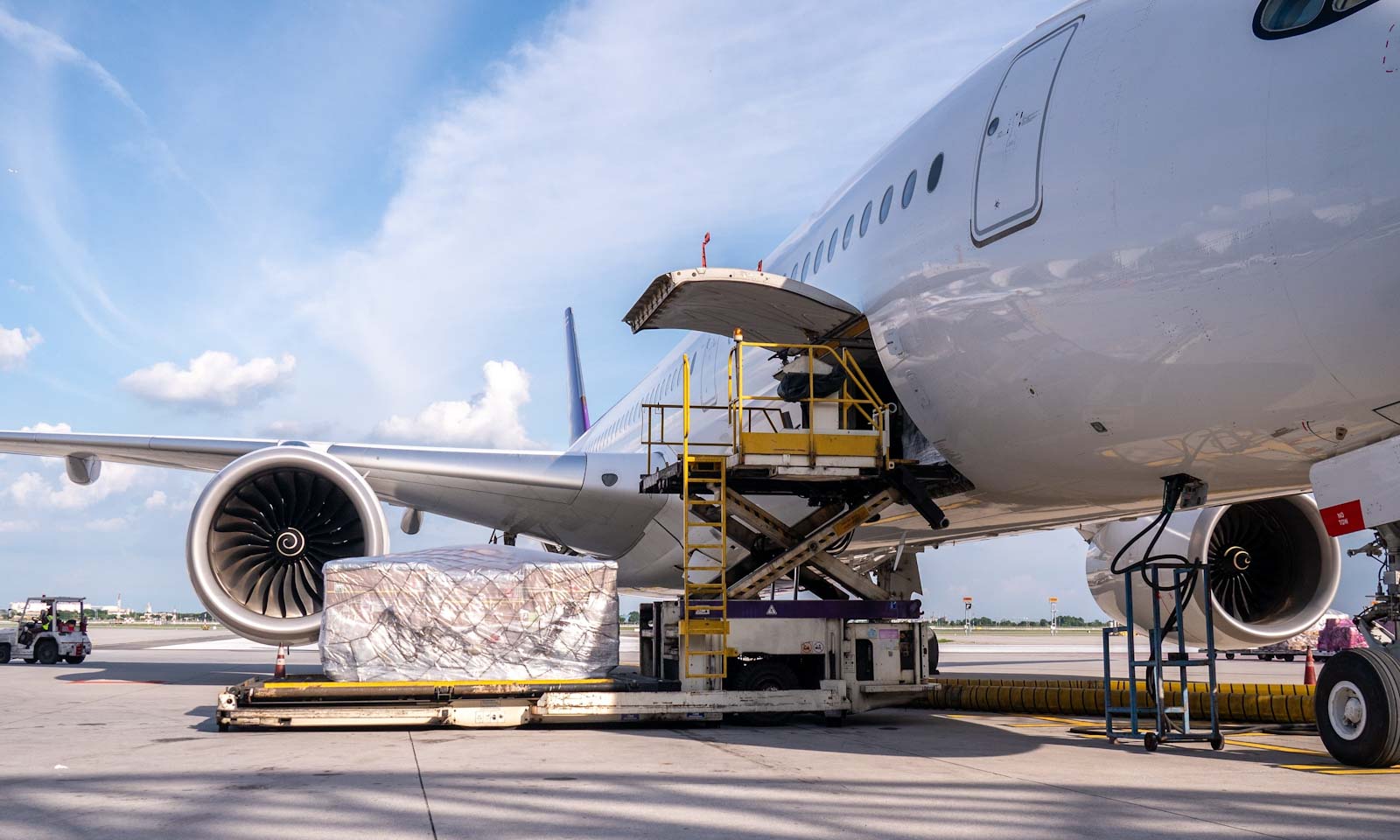
Within the new report, detailed case studies and technical analyses illustrate the specific operational challenges faced by modern freight businesses. Operators flying heavier cargo aircraft place extraordinary mechanical and thermal strain on turbine oils and internal moving parts. If these lubrication challenges are left unaddressed, they can quickly translate into severe financial liabilities for the business.
Tom H Kim, global chief engineer of aviation lubricants at ExxonMobil, emphasizes the direct correlation between lubrication practices and overall commercial performance. Oil-related reliability issues can represent a significant cost driver, impacting not only direct equipment maintenance budgets but also broader customer satisfaction metrics if unscheduled component failures lead to flight delays or aircraft downtime.
Elaborating on the financial risks, Kim notes that the cost to repair or replace affected systems can range from $30,000 and above per generator removal, before even factoring in the broader economic losses associated with reduced aircraft availability. Such substantial repair expenses have an immediate and immense impact on the net profitability of both passenger and cargo carriers.
To avoid these spiraling expenses, aviation businesses must develop a thorough understanding of the specific oils utilized across their active fleets and rigorously evaluate whether those products represent the optimal choice for designated flight profiles and specific aircraft models. Operators are encouraged to closely scrutinize every individual oil product used within an aircraft’s complex components and conduct comprehensive testing to verify their operational effectiveness. This evaluation process involves determining whether alternative formulations might enable higher performance, better thermal stability, and extended component life.
Naturally, conducting such meticulous analyses requires time and engineering resources that busy commercial operators may feel they lack. Additionally, higher-performance technical solutions frequently carry a higher upfront purchase price than the legacy products currently utilized across an established fleet. Despite these perceived hurdles, the ExxonMobil report demonstrates the profound difference that selecting the correct lubrication solution can make to overall flight operations and maintenance longevity.
For instance, the historical development of industry-standard products like Mobil Jet Oil II was built upon a foundation of more than 60 years of rigorous flight experience. This extensive heritage translates into approximately five billion hours of proven on-wing performance. Advanced formulations of this nature are specifically engineered to optimize seal life, reduce mechanical wear, and significantly extend the operational lifespan of critical engines, gears, and bearings under extreme operating conditions.
The report also incorporates a series of detailed case studies featuring globally recognized airlines and commercial operators. These accounts document the substantial differences that transitioning to advanced lubricant suppliers has made in helping to improve the overall efficiency, reliability, and cost-effectiveness of their daily flight operations. As the global aviation community continues to navigate an era marked by heightened economic uncertainty and operational complexity, industry reports underscore the vital role that advanced technical fluids play in delivering enduring reliability and operational savings.
| Source | : | Open Passport |
| Author | : | Basiran |
| Editor | : | Open Passport Editorial Team |
