
UK Condemns Escalating Iranian Aggression and Houthi Offensives at UN Security Council, Urging Diplomatic Solutions and Unrestricted Maritime Access
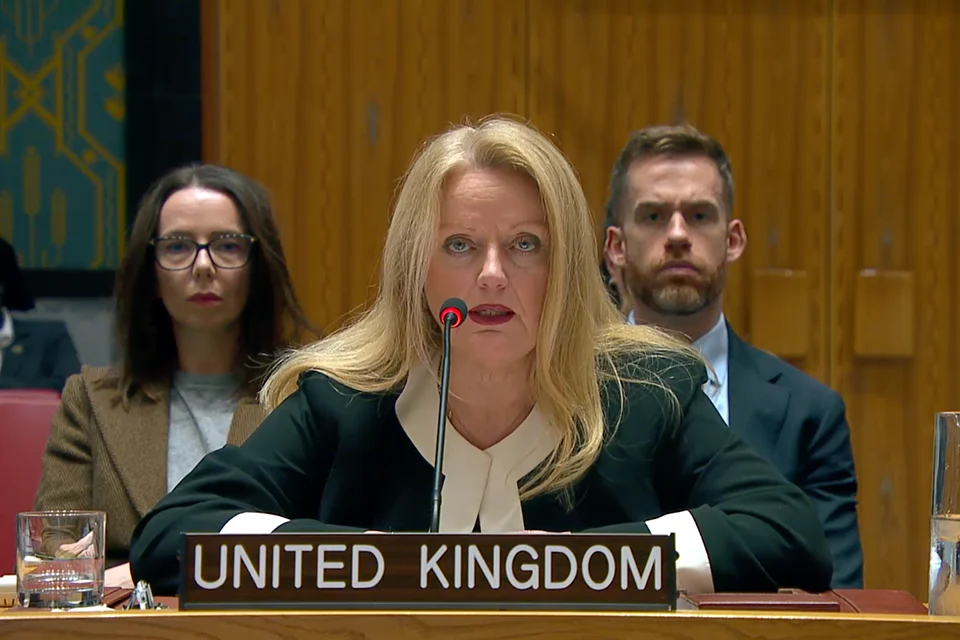
The United Kingdom has launched a forceful condemnation of escalating Iranian attacks and proxy activities across the Middle East, using a high-level address at the United Nations Security Council to demand an immediate halt to hostilities that threaten global economic stability, energy security, and international trade. Speaking on behalf of the British government, senior diplomatic officials detailed a concerning pattern of aggression throughout 2026, wherein countries in the Gulf and the wider region have faced repeated and targeted assaults by Iran against civilian areas, critical national infrastructure, and vital economic assets.
Reiterating London’s unwavering commitment to regional allies, the UK emphasized its solidarity with its Gulf partners, promising to maintain practical support aimed at bolstering their defensive capabilities and overall security architecture. Highlighting the gravity of the international response, the UK pointed to Resolution 2817 as a definitive message from the Security Council, establishing unequivocally that these attacks must cease immediately and that navigational rights and freedoms guaranteed under international law must be fully respected by all state actors.
The condemnation comes amid growing international anxiety regarding the security of key maritime corridors, particularly the Strait of Hormuz, which has become a focal point of geopolitical friction. The UK underscored that the Strait of Hormuz must be reopened without delay to ensure that international shipping and hardworking seafarers can transit safely and securely. Such movements, officials stressed, must strictly adhere to international law, specifically as enshrined in the United Nations Convention on the Law of the Sea.
Disruptions to these vital maritime trade routes carry consequences that extend far beyond the immediate Middle Eastern theater, directly impacting global commerce, international energy supplies, and worldwide food security. Warning that the most vulnerable populations across the globe are bearing the greatest economic and humanitarian cost of these disruptions, the UK forcefully condemned Iran’s ongoing attacks and its broader attempts to hold the global economy to ransom through maritime coercion and regional destabilization.
Amid the mounting crisis, the United Kingdom took the opportunity to commend the tireless efforts of regional mediators, highlighting the constructive role played by Qatar in attempting to de-escalate tensions and avert a full-scale regional war. London reiterated its firm belief that diplomacy remains the sole viable pathway to achieving a sustainable, long-term solution to the persistent conflicts plaguing the region.
However, the UK warned that the wider architecture of regional peace is under severe strain due to the compounding actions of Iran and its network of regional proxies. Pointing specifically to recent attacks carried out by Iranian-aligned militias and armed groups inside Iraq, the UK cautioned that these reckless activities carry a profound risk of triggering a spiralling, uncontrollable regional conflict. Consequently, Tehran was called upon to immediately cease all financial, military, and logistical support for such destabilizing operations.
The security crisis is further compounded by deteriorating conditions in Yemen, where the decision by the Houthi movement to resume active conflict has inflicted unprecedented suffering upon the Yemeni population while severely undermining wider regional peace and security. The renewed fighting has abruptly deepened an already grave humanitarian crisis, forcibly displacing more than 340,000 vulnerable individuals from their homes and communities.
The humanitarian toll of the Houthi offensive is starkly visible in urban centers such as Taiz, where a continued siege enforced by the group has strangled the local economy. The blockade has driven essential food prices up by at least fifty percent, pushing basic nourishment beyond the reach of ordinary families, while simultaneously forcing local hospitals to exhaust their remaining reserves of fuel and vital medicines. In response to these dire circumstances, the United Kingdom issued an urgent call for rapid, safe, and completely unimpeded humanitarian access to ensure that life-saving supplies can reach vulnerable populations in need throughout every corner of Yemen.
Further compounding international outrage is the worsening protection crisis for humanitarian workers and civil servants operating within Houthi-controlled territories. The UK expressed deep shock and profound dismay over news concerning the tragic death of United Nations employee Mohammad al-Shami while he was held in Houthi detention. Echoing the explicit call made by the UN Secretary-General, British officials demanded an immediate, transparent, and thoroughly impartial investigation into the circumstances surrounding his death.
Furthermore, the UK condemned the continued, arbitrary detention of United Nations staff, humanitarian aid workers, civil society representatives, and diplomatic personnel by the Houthis, reiterating its longstanding demand for their immediate and unconditional release.
Looking beyond the immediate borders of Yemen, the United Kingdom reaffirmed its steadfast solidarity with the Kingdom of Saudi Arabia and the internationally recognized Government of Yemen in the face of ongoing, cross-border attacks. The UK unequivocally reaffirmed the inherent right of both nations to defend their national security, territorial integrity, and sovereign borders in strict accordance with international law.
Emphasizing that the multifaceted crisis in Yemen cannot be resolved through military means alone, the UK stressed that the situation desperately requires a serious, sustained diplomatic solution. To achieve this, the Houthis must halt all ongoing offensives and military maneuvers with immediate effect. Concluding its address to the Security Council, the United Kingdom underscored its total support for the ongoing diplomatic and political work led by the United Nations, aimed at forging a negotiated, inclusive, Yemeni-led, and Yemeni-owned political settlement that can finally bring enduring peace to the country.
The UK delegation concluded by reminding the international community that the stability and security of the Gulf region are not merely localized concerns, but are fundamentally essential for the prosperity of the people living within the region and for maintaining broader international peace and security. Reaffirming its dedication to this goal, the United Kingdom pledged to continue working closely and tirelessly with its international partners in the ongoing pursuit of regional stability.
| Source | : | Open Passport |
| Author | : | Lina Irawan |
| Editor | : | Open Passport Editorial Team |
