
Ryanair Weighs Temporary Pay Freezes, Lower Crew Ratios, and Expanded AI as Half-Year Profit Falls 15 Percent
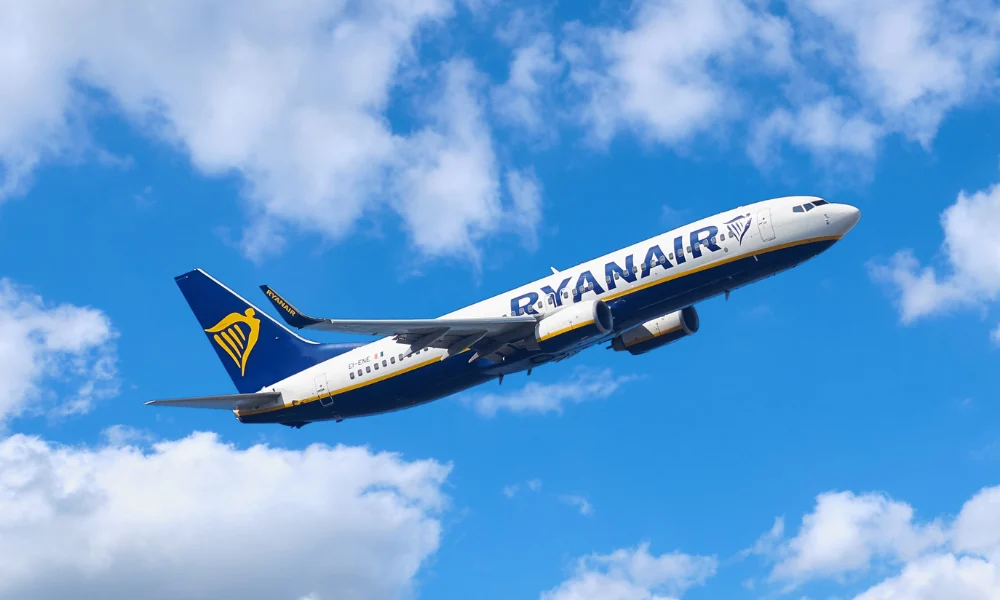
Dublin-based budget carrier Ryanair is significantly slowing down its hiring of pilots and cabin crew as the airline reviews costs across its entire business ahead of a projected €2bn surge in its fuel bill for the upcoming fiscal year. The strategic shift comes as the low-cost carrier navigates a tighter financial landscape marked by rising operating expenditures, climbing environmental taxes, and volatile global oil markets.
"We are slowing down hiring meaningfully as the number of new pilots and cabin crew recruitment and training courses are running," chief executive Michael O’Leary said, highlighting a defensive posture adopted by the airline’s leadership team.
The move was officially announced alongside the release of the airline’s half-year financial results, which painted a sobering picture of profitability coming under pressure from unhedged oil exposure and inflationary headwinds. While passenger numbers continued to climb during the reporting period, the bottom line contracted as rising costs outpaced revenue growth from ticket sales.
The financial pressure is largely driven by a massive expected expansion in fuel expenditures. Addressing the projected €2bn rise in its fuel bill, O’Leary elaborated in the official results statement on how the airline plans to weather the storm.
"To help address this, we’re reviewing all costs across Group airlines with a particular focus on airport churn negotiations (as the fuel-efficient MAX-10s deliver from Spring 2027), maturing labour agreements (which may require temporary pay freezes), lower crewing ratios and increased use of AI to drive further operational and back-office/support functions productivity," O’Leary stated.
In separate remarks, the outspoken chief executive noted that existing employee pay deals could potentially be frozen at their current levels if international fuel prices remain persistently high, signaling a potentially contentious period ahead in labor relations as multi-year collective agreements mature.
Airline’s Challenges and Financial Pressures
The strategic cost-review measures were unveiled as Ryanair reported a profit after tax of €2.15bn for the six-month period ending September 30. This represents a 15 percent decline compared to the €2.54bn recorded during the same period a year earlier.
The profitability drop was compounded by an increase in overall operating costs, which climbed 10 percent to €7.69bn. This escalation was primarily driven by the soaring price of unhedged jet fuel—which accounts for approximately 20 percent of the airline’s total fuel requirements—with market prices effectively doubling year-over-year.
At the same time, top-line metrics showed mixed signals. Average fares across the airline’s network fell by four percent during the half-year period. Company executives partly attributed this pricing softness to consumer hesitancy and later booking patterns, which were linked directly to geopolitical tensions and the ongoing conflict in the Middle East. Despite the slight drop in average ticket prices, travel demand remained resilient overall, with total passenger numbers rising six percent to reach 125.8 million.
Labor costs have also emerged as a significant financial factor for Europe’s largest low-cost carrier. Ryanair noted that favorable fuel hedging positions earlier in the year had helped offset substantial crew pay increases negotiated under new multi-year collective labor agreements. However, these rising personnel costs coincided with a €300m jump in EU environmental taxes and higher maintenance expenses, further compressing profit margins.
Looking ahead at its energy exposure, Ryanair has successfully hedged 80 percent of its anticipated fuel needs for the fiscal year ending March 2027 at approximately $67 per barrel. However, the picture changes dramatically for the following year, where only about 25 percent of its fuel requirement has been secured, locking in at a significantly higher rate of approximately $95 per barrel.
"It’s beginning to dawn on everybody that we [the industry] are not well hedged," O’Leary remarked regarding the broader aviation sector’s vulnerability to oil price volatility.
In response to these looming energy costs, industry analysts expect passenger fares to rise by double-digit percentages next year. Even so, company disclosures indicate that these anticipated fare hikes are unlikely to fully offset the estimated €2bn increase in the carrier’s annual fuel bill, forcing management to look aggressively inward for structural savings.
As part of its cost-mitigation and efficiency drive, Ryanair plans to dramatically expand its utilization of artificial intelligence to streamline back-office operations and flight scheduling. O’Leary noted that advanced technology has already played a critical role in helping the airline safely increase its operational capacity by four percent.
"When you’re running 650 aircraft, it’s too big for a human to be able to do it," O’Leary explained, pointing to the limitations of manual planning at scale. "The machines actually can design the schedules better than we know [how to], so we’re getting more productivity out of the aircraft."
Reflecting these adjustments in fleet scheduling, capacity management, and broader macroeconomic caution, Ryanair has already trimmed its passenger volume target for the fiscal year ending March 2027, moving the goal down from 216 million to 214 million travelers. Despite the near-term headwinds and the deliberate deceleration in recruitment pipelines, the airline maintains a long-term growth trajectory, with corporate targets aiming to expand annual traffic past 220 million passengers in the subsequent year.
| Source | : | Open Passport |
| Author | : | Muslim |
| Editor | : | Open Passport Editorial Team |
