
Escaping the Chaos: Why Travelers Are Flocking to the Quiet Elegance of Burgos, Spain
In recent weeks, scenes of unrest have rippled across parts of Western Europe, casting a shadow over the traditional summer travel experience. Reports from France and Italy have been particularly jarring, with footage of balaclava-clad rioters setting fire to historic town halls and looting businesses in major urban centers. In Milan, the situation became so acute that authorities were forced to deploy 500 soldiers to secure the city’s landmark Galleria and protect merchants from further pillaging. For travelers who have long associated these iconic destinations with leisurely strolls and peaceful exploration, the imagery has been nothing short of alarming, prompting many to reconsider their plans and seek out alternatives where the rhythm of life remains undisturbed.
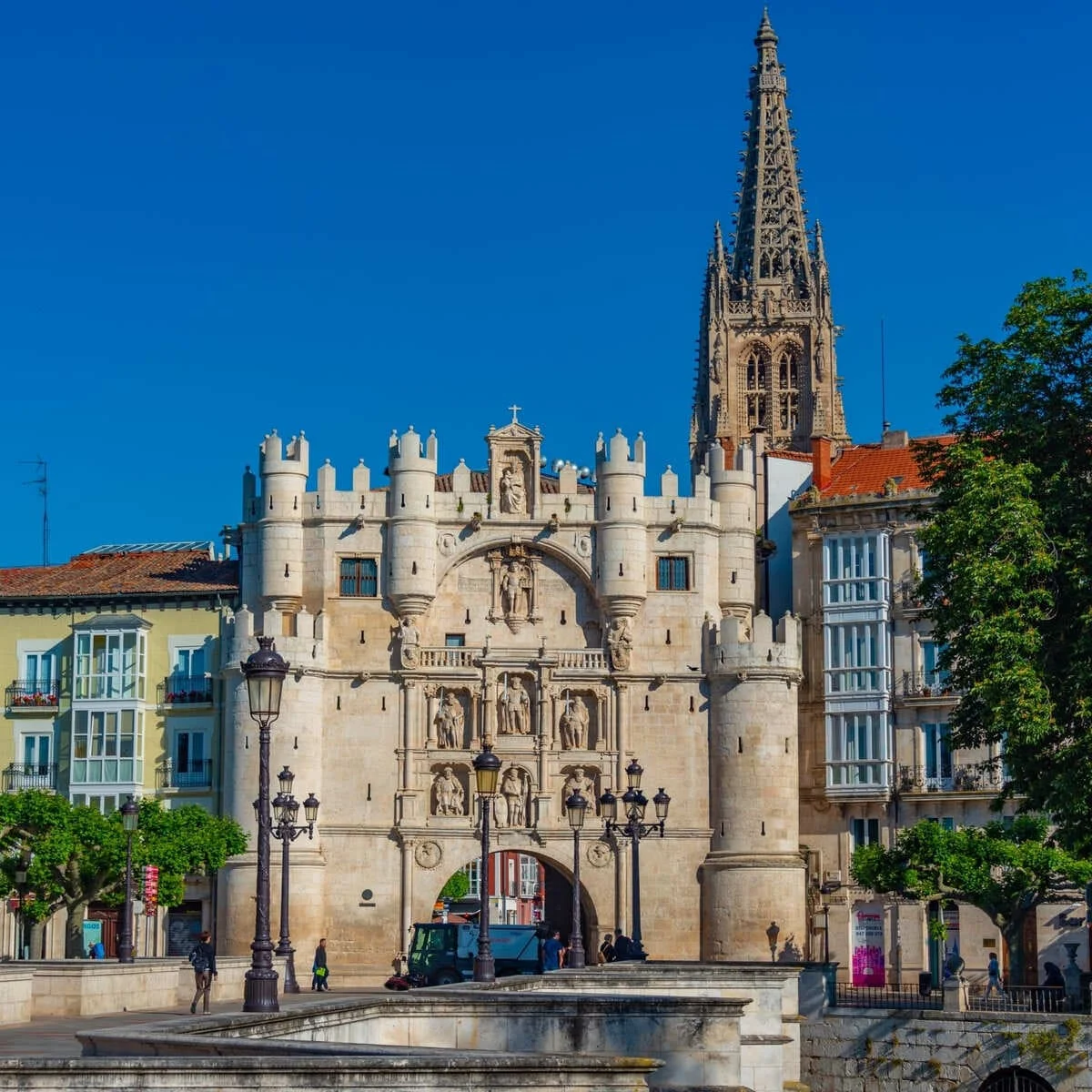
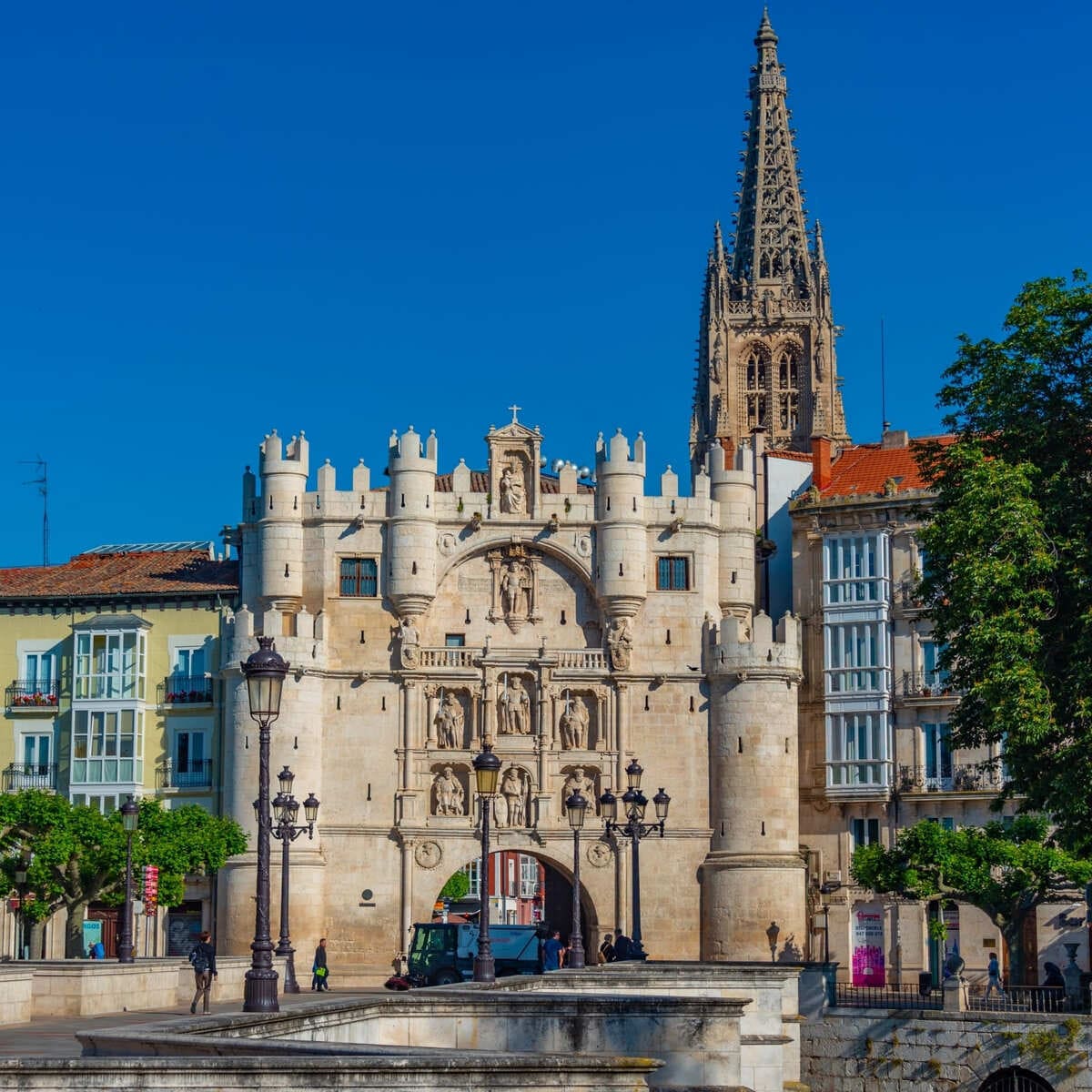
As travelers increasingly look to bypass the headlines of instability and social friction, one destination in Spain has emerged as a compelling, serene refuge: the historic city of Burgos. While tourism heavyweights like Barcelona and Madrid often dominate the conversation, Burgos—a medieval gem tucked away in the Castile and León region—is quietly surging in popularity. It offers the classic, Old World atmosphere that many travelers are currently craving, defined by slow-paced living, cobblestone streets, and a deep, preserved history that feels entirely removed from the modern-day unrest seen in larger European metropolises.
The shift in travel patterns is backed by data. Between January and April 2026, Burgos recorded a 10.04% increase in overnight stays, with international tourism to the city spiking by approximately 20%. This upward trend suggests that savvy travelers are beginning to recognize the value of a destination that maintains its authenticity without sacrificing safety or comfort.
The Architectural Grandeur of a Medieval Capital
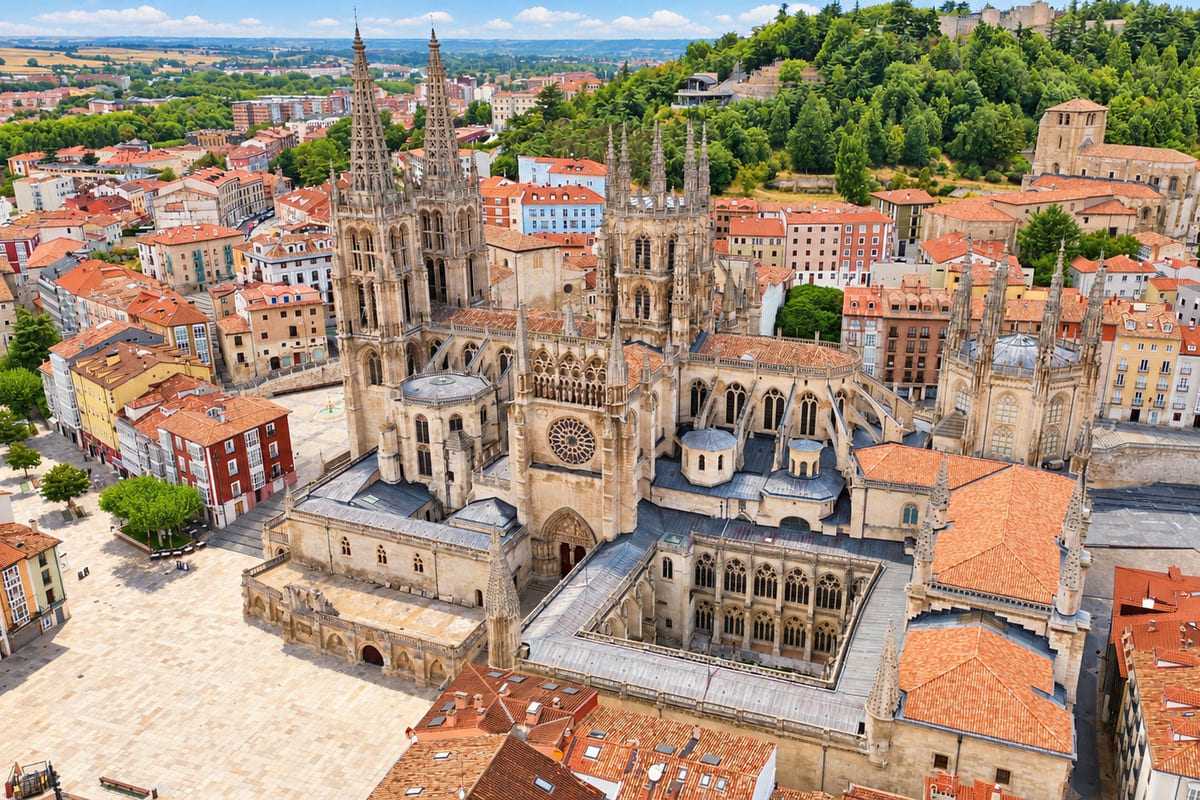
At the heart of Burgos’s appeal is its historic center, which stands as one of the most impressive cathedral-anchored landscapes in all of Spain. The city is defined by a quintessential European charm: narrow lanes that wind past centuries-old structures, hidden squares, and the soaring spires of its UNESCO-protected cathedral. Unlike the frenetic pace found in Europe’s major capital cities, the atmosphere in Burgos is one of deliberate calm.
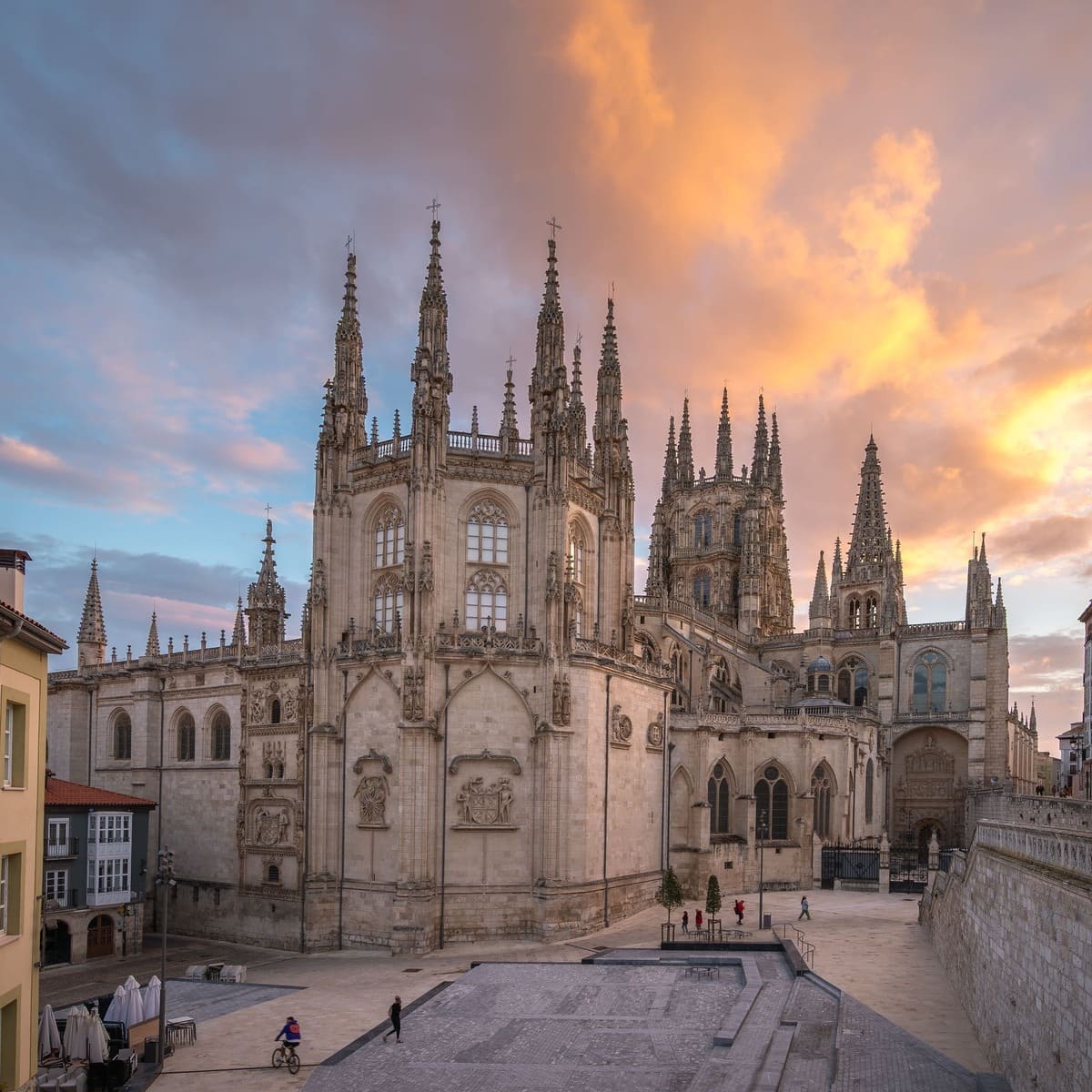
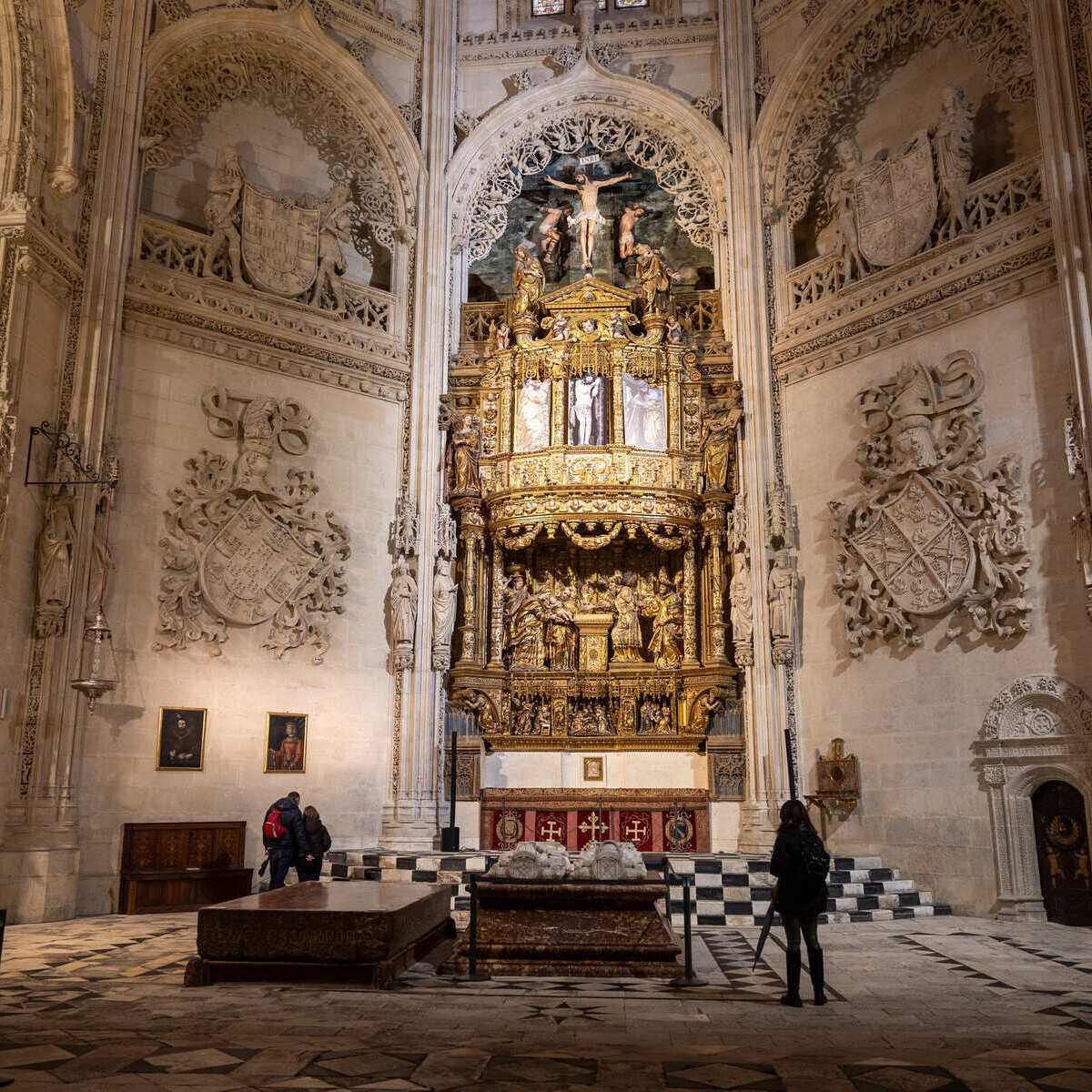
The centerpiece, the Cathedral of Burgos, is an architectural marvel that rivals the most famous religious landmarks in the world. Construction began as early as 1221, and today it serves as a testament to Gothic artistry. The structure is celebrated for its elegant, sky-piercing spires, its magnificent Golden Staircase, and a unique star-vaulted dome that shelters the tombs of the legendary 11th-century Castilian knight El Cid and his wife, Jimena. For visitors, the cathedral is more than just a historical monument; it is the heartbeat of the city, anchoring the surrounding old town and providing a sense of continuity that has survived the rise and fall of empires.
The Centro Histórico remains remarkably well-preserved, seemingly untouched by the rapid, often intrusive modernization that has transformed other European cities. Walking through the center, one finds a labyrinth of ocher-colored buildings and medieval walls. A short, 15-minute walk from the cathedral square leads visitors uphill to the Castillo de Burgos, the ruins of an ancient fortress that offers a panoramic view of the city below. The path to the summit is dotted with smaller Gothic churches and traditional taverns, reinforcing the feeling that Burgos is a place where history is lived rather than merely observed.
Safety and Stability in an Uncertain Time
The recent unrest that has plagued parts of France and Italy has not manifested in Burgos. While some parts of Spain have dealt with isolated housing demonstrations or localized issues in coastal enclaves, Burgos has remained unbothered by the types of violent protests or organized looting seen elsewhere. The city’s compact size—home to just over 180,000 residents—and the fact that the vast majority of its visitors are local Spaniards, contribute to its reputation as a haven of stability.
From a security perspective, Burgos consistently ranks among the five safest provinces in Spain by crimes per capita. While travelers are always advised to exercise standard precautions in any destination—particularly in crowded areas like transport hubs or near major monuments where opportunistic pickpocketing can occur—violent crime remains exceptionally rare. Even as the United States maintains a Level 2 travel advisory for Spain due to nationwide considerations regarding terrorism and social unrest, this is a generalized warning for the country as a whole rather than a specific reflection of conditions in Burgos. On the Travel Off Path safety index, Spain remains a high-scoring destination, reflecting a reality that is far more secure than the current headlines in neighboring countries might suggest.
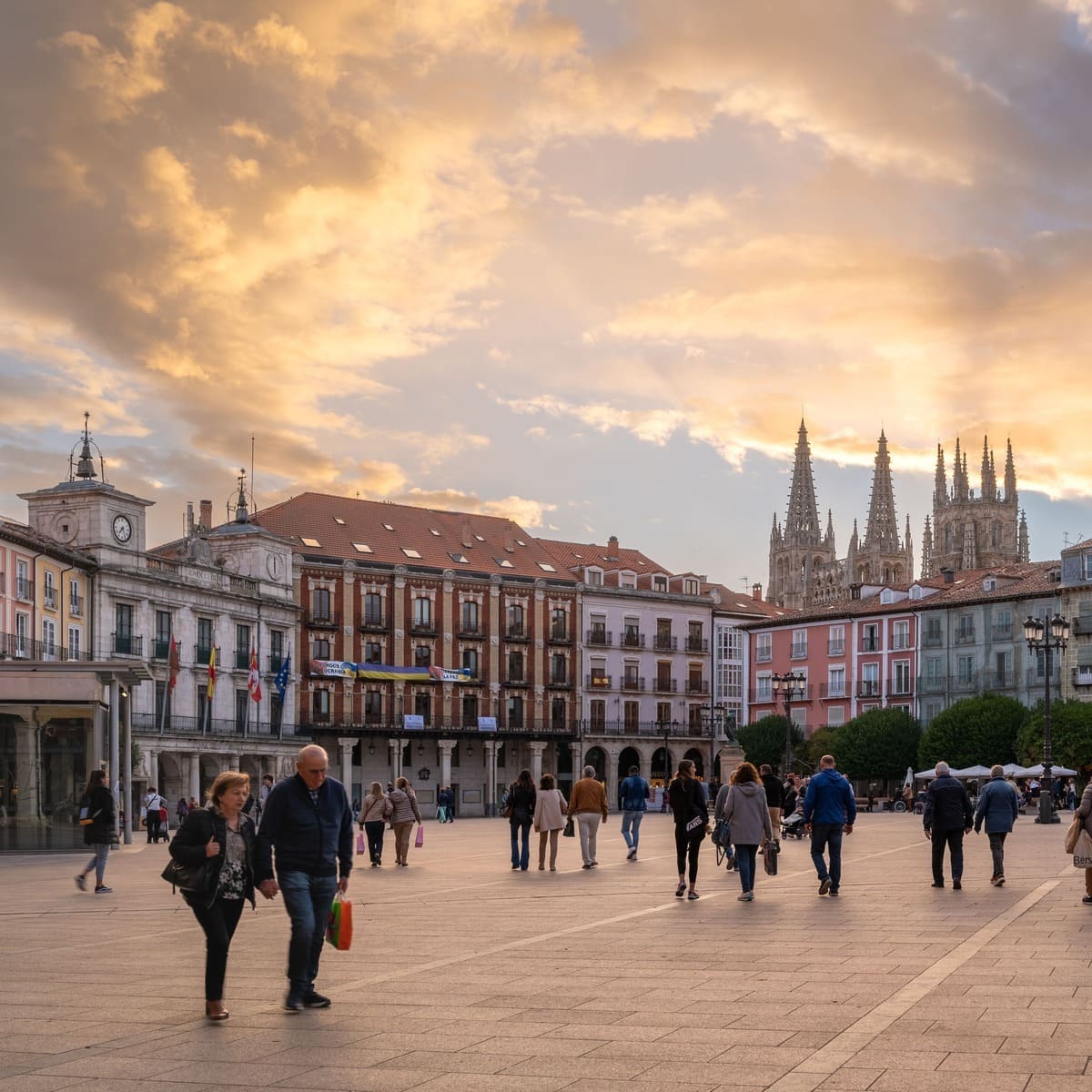
Furthermore, Burgos has managed to avoid the "anti-tourism" sentiment that has become increasingly vocal in cities like Barcelona or Palma de Mallorca. Because it has not yet been subjected to the same levels of mass tourism or the surge of cruise ship crowds, the city retains a genuine, local atmosphere. There is a sense of mutual respect between residents and visitors, allowing for a more authentic and relaxed travel experience.
A Gastronomic Journey Through Castilian Culture
Beyond its architecture and safety, Burgos offers a culinary experience that is distinctively Castilian. It is a place for hearty, slow-cooked meals that reflect the city’s higher altitude and its agricultural heritage. This is not the land of beachside paella or sangria-fueled terraces; it is the land of morcilla—the famous rice-filled blood sausage—and milk-fed lamb roasted in wood-fired ovens.
The affordability of dining in Burgos is another significant draw. Institutions like Casa Pancho, which has been operating since 1958, allow visitors to sample local specialties like cojonudo (bread topped with chorizo, quail egg, and spicy pepper) and tigres (stuffed mussels) for a remarkably low cost. A satisfying tapas meal with drinks in this environment typically ranges from $12 to $15 per person. For those seeking even more modest prices, spots like La Cueva del Champiñón offer a hyper-focused menu of sizzling mushroom skewers for just over two dollars each.
For a more formal experience, restaurants like Casa Ojeda provide a glimpse into the city’s past. Dating back to 1912, this historic establishment survived both World Wars and the tumultuous years of the Franco regime. Its signature lechazo asado—wood-roasted lamb—is widely considered a must-try for any visitor. While a full three-course dinner at such a historic institution, complete with a bottle of local Ribera del Duero wine, commands a higher price, it remains a fraction of what one would expect to pay for a comparable experience in a major global city, usually averaging between $55 and $70 per person.
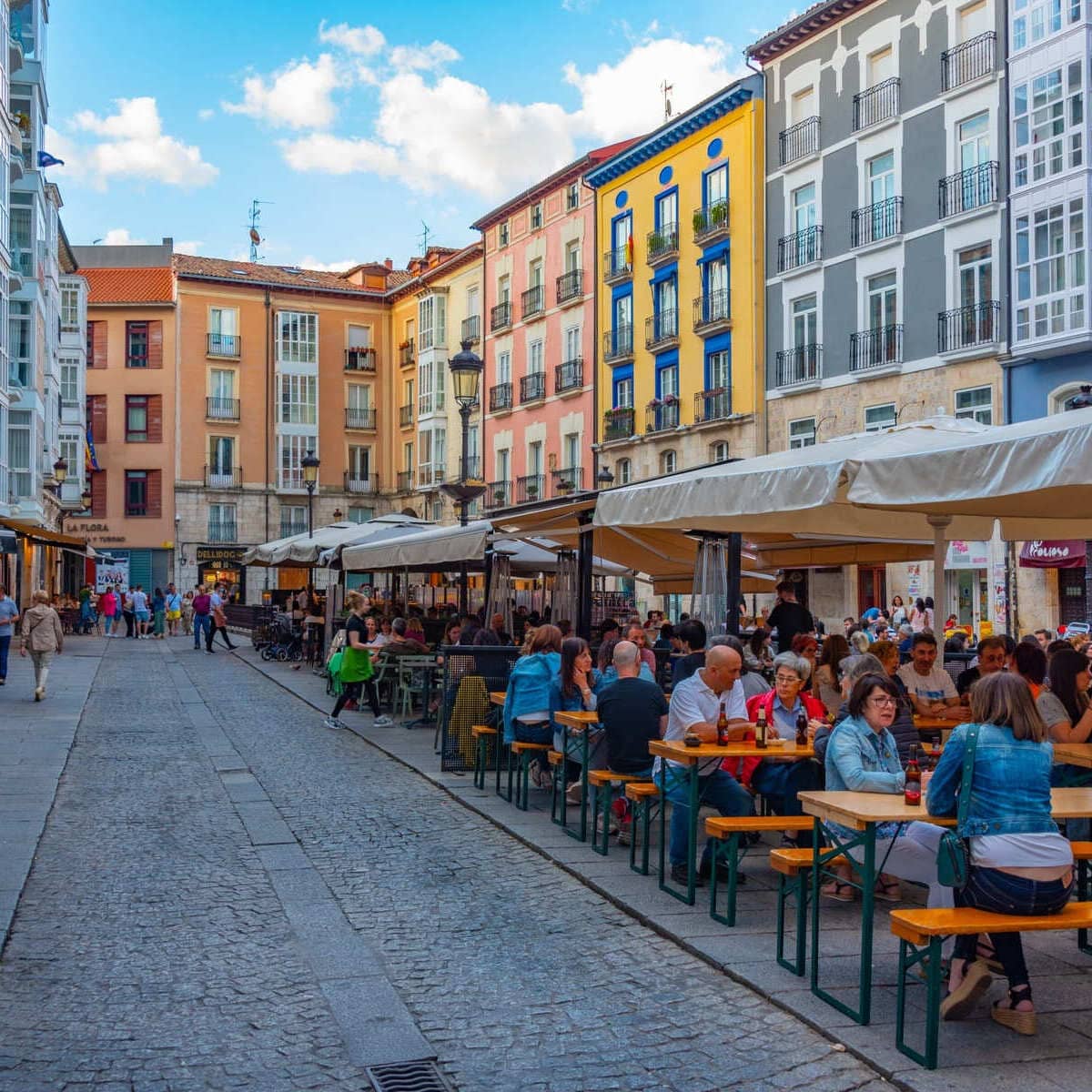
Ultimately, Burgos offers what many travelers are currently seeking: a reprieve. As the news cycle continues to report on the volatility of major urban centers across Europe, this medieval capital stands as a reminder of the quiet, enduring beauty of the continent. It is a city that invites visitors to slow down, enjoy a glass of local wine, and appreciate a corner of the world where history is still accessible and the streets remain peaceful. In an era of unpredictable travel, the reliability and charm of Burgos make it a destination that feels not only like a hidden gem, but like a sanctuary.
| Source | : | Open Passport |
| Author | : | Rifan Muazin |
| Editor | : | Open Passport Editorial Team |
